


Introdução
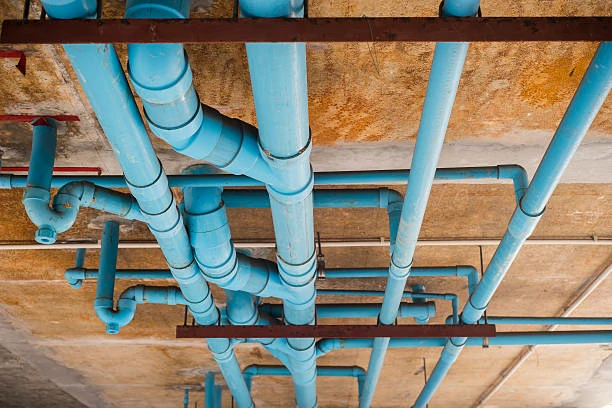
Tubulação de plástico Introdução: A tubulação plástica desempenha um papel crucial em encanamentos modernos, aplicações industriais e projetos de infraestrutura. Muitos sistemas exigem tubulações que suportem altas pressões sem falhas. Engenheiros e fabricantes projetam tubulações plásticas com materiais e estruturas que proporcionam excelente resistência. Diversos setores dependem de tubulações plásticas resistentes a altas pressões para abastecimento de água, distribuição de gás, transporte de produtos químicos e
Materials for High-Pressure Plastic Piping
Different types of plastics offer high-pressure resistance. Each material provides unique benefits, making it suitable for specific applications.
- Cloreto de polivinila (PVC)
PVC pipes handle significant pressure levels in water distribution and irrigation systems. Their rigid structure allows them to perform well under compression. Various classes of PVC pipes exist, with some handling pressures over 315 psi. - Cloreto de polivinila clorado (CPVC)
CPVC pipes withstand higher temperatures and pressures than standard PVC. They serve in industrial water systems, fire sprinkler installations, and chemical processing plants. CPVC pipes maintain structural integrity under stress, reducing the risk of leaks or bursts. - Polietileno (PE)
PE pipes, especially high-density polyethylene (HDPE), provide excellent pressure resistance. HDPE pipes flex under stress but do not crack or rupture. Municipal water supplies and gas distribution networks use HDPE pipes for their strength and longevity. - Polietileno reticulado (PEX)
PEX pipes handle high pressures and temperatures while offering flexibility. Their cross-linked molecular structure improves resistance to deformation. PEX piping serves in residential plumbing, radiant heating systems, and industrial applications. - Polipropileno (PP)
PP pipes perform well under high pressure and resist chemical corrosion. Industries rely on PP pipes for aggressive fluid transport. The lightweight nature of PP pipes allows for easy installation without compromising durability. - Tubos Termoplásticos Reforçados (RTP)
RTP combines thermoplastic materials with reinforcing layers. These pipes handle extremely high pressures, making them suitable for oil and gas pipelines. The reinforcement prevents bursting while maintaining flexibility.
Factors Affecting Pressure Resistance
Several factors influence a plastic pipe’s ability to withstand pressure. Engineers consider these variables during design and manufacturing.
- Espessura da parede
Thicker walls provide greater resistance to internal pressure. Manufacturers produce plastic pipes with different thickness levels to meet specific pressure ratings. - Pipe Diameter
Smaller-diameter pipes handle higher pressures because they experience less internal force. Larger pipes require reinforcement to prevent deformation under pressure. - Composição do material
High-quality raw materials ensure better performance. Additives and stabilizers enhance strength, flexibility, and resistance to cracking. - Processo de fabricação
Advanced extrusion and molding techniques improve the consistency of plastic pipes. Proper processing eliminates weak points that could cause failures under pressure. - Temperature Conditions
High temperatures reduce a pipe’s ability to withstand pressure. Some plastics soften when exposed to heat, lowering their pressure resistance. - External Load and Installation Method
Proper installation prevents damage that could weaken the pipe. Supporting structures reduce external stress and prevent collapse under pressure.
Applications of High-Pressure Plastic Piping
Many industries depend on plastic pipes that resist high pressure. Their durability and efficiency make them ideal for various systems.
- Abastecimento Municipal de Água
Cities use high-pressure plastic pipes to transport water over long distances. These pipes maintain pressure levels to ensure efficient delivery to households and businesses. - Distribuição de Gás
Natural gas and propane require pipes that can handle significant pressure. HDPE and RTP pipes provide safe transport without leaks. - Sistemas de proteção contra incêndio
Fire sprinklers rely on CPVC and PEX pipes that withstand high water pressure. These systems activate instantly, requiring durable piping to function correctly. - Transporte Químico Industrial
Factories move chemicals under pressure through PP and CPVC pipes. These materials resist corrosion and pressure fluctuations, ensuring safe operation. - Oleodutos e Gasodutos
Reinforced plastic pipes serve in high-pressure oil and gas transport. RTP pipes combine strength and flexibility, allowing them to handle extreme conditions. - Sistemas de Irrigação
Agricultural irrigation requires pressurized water delivery. PVC and PE pipes transport water efficiently, ensuring crops receive adequate moisture. - Hydronic Heating
PEX pipes supply heated water in radiant floor heating systems. Their ability to handle pressure and temperature variations makes them ideal for this application.
Advantages of High-Pressure Plastic Piping
Plastic pipes offer numerous benefits compared to metal alternatives. Their pressure resistance, combined with other advantages, makes them a preferred choice.
- Resistência à corrosão
Unlike metal pipes, plastic pipes do not rust or corrode. Their resistance to chemicals and moisture ensures a longer lifespan. - Natureza leve
Plastic pipes weigh less than metal pipes, making transportation and installation easier. Their lightweight structure does not compromise strength. - Flexibilidade e Resistência ao Impacto
Many plastic pipes bend under pressure without breaking. This flexibility prevents damage during installation and operation. - Custo-efetividade
Manufacturing and installing plastic pipes costs less than using metal alternatives. Their durability reduces maintenance expenses. - Longevidade
High-quality plastic pipes last decades without significant wear. Their ability to withstand pressure ensures reliable performance over time. - Superfície interna lisa
The smooth interior of plastic pipes reduces friction, allowing efficient fluid flow. This characteristic improves pressure maintenance within the system. - Benefícios ambientais
Many plastic pipes use recyclable materials. Their long lifespan reduces waste and minimizes environmental impact.
Testes e Padrões para Resistência à Pressão
Regulatory bodies establish strict standards for high-pressure plastic piping. Testing procedures ensure pipes meet safety and performance requirements.
- Hydrostatic Pressure Testing
Pipes undergo prolonged exposure to high-pressure water to check for leaks or weaknesses. - Burst Testing
Manufacturers apply extreme pressure until the pipe bursts. This test determines the maximum pressure rating. - Teste de resistência ao impacto
Pipes experience simulated impacts to assess their durability under stress. - Temperature Cycling Tests
Pipes undergo repeated heating and cooling cycles to evaluate their long-term performance. - Conformidade com as Normas Internacionais
Organizations like ASTM, ISO, and DIN set guidelines for high-pressure plastic piping. Compliance ensures reliability and safety.
Future Trends in High-Pressure Plastic Piping
Innovations continue to improve plastic piping for high-pressure applications. Research and development focus on enhancing strength, sustainability, and efficiency.
- Advanced Composite Materials
New plastic formulations combine different polymers for superior pressure resistance. - Sistemas de tubulação inteligentes
Integrated sensors monitor pressure levels and detect leaks in real time. - Sustainable Manufacturing
Eco-friendly production methods reduce the environmental impact of plastic piping. - Enhanced Reinforcement Techniques
Stronger fiber reinforcements improve the durability of high-pressure plastic pipes.
Conclusão
High-pressure-resistant plastic piping provides reliable performance in various industries. Different materials offer unique benefits, allowing engineers to select the best option for each application. Factors like wall thickness, diameter, and composition influence pressure resistance. Industries use these pipes in water supply, gas distribution, fire protection, and more. Plastic piping delivers advantages like corrosion resistance, flexibility, and cost savings. Testing ensures pipes meet strict standards for durability and safety. Future advancements will continue to enhance the capabilities of high-pressure plastic piping, making it even more efficient and sustainable.
Norma internacional IFAN
Os produtos de PEAD da IFAN atendem a diversas normas internacionais, garantindo qualidade, durabilidade e confiabilidade. Essas normas incluem a ASTM D3035 e a ASTM D3350, que definem especificações para tubos e materiais de polietileno (PE). As séries ISO 4427 e EN 12201 estabelecem referências globais para tubos de PE utilizados em sistemas de abastecimento de água. Além disso, as normas DIN 8074/8075 e GB/T 13663 estabelecem requisitos de desempenho e dimensões para tubos de PEAD nos mercados europeu e chinês. Outras normas reconhecidas, como a AS/NZS 4130 (Austrália/Nova Zelândia), JIS K6760 (Japão), BS 6572 (Reino Unido) e CSA B137.1 (Canadá), demonstram ainda mais o compromisso da IFAN em atender às regulamentações do setor em todo o mundo.
Contato
A IFAN é uma fabricante profissional com 30 anos de experiência, dedicada à produção de tubos, conexões e válvulas de plástico de alta qualidade. Nossos produtos incluem válvulas de latão, válvulas de PPR, além de diversos tubos e conexões para atender às diferentes necessidades dos clientes. Seja para tubos de encanamento e drenagem ou válvulas, a IFAN oferece uma gama diversificada de produtos de alta qualidade e custo-benefício para apoiar seus projetos. Abaixo, você encontra nossos dados de contato.
Responderemos seu e-mail ou fax em até 24 horas.
Você pode nos ligar a qualquer momento caso tenha alguma dúvida sobre nossa produção.
Para mais informações, visite nosso site https://www.ifanplus.com/
Por favor, envie um e-mail para: [email protected]
Whatsapp: + 86 19857948982























