


مقدمة
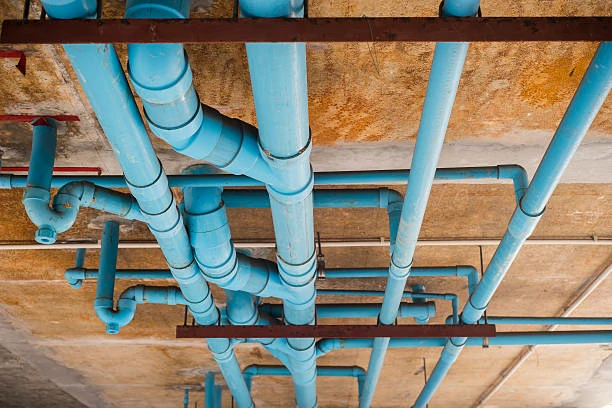
الأنابيب البلاستيكية مقدمة: تلعب الأنابيب البلاستيكية دورًا محوريًا في مشاريع السباكة الحديثة والتطبيقات الصناعية والبنية التحتية. تتطلب العديد من الأنظمة أنابيب تتحمل الضغط العالي دون أي أعطال. يصمم المهندسون والمصنّعون الأنابيب البلاستيكية بمواد وهياكل توفر قوة فائقة. تعتمد العديد من الصناعات على الأنابيب البلاستيكية المقاومة للضغط العالي في إمدادات المياه، وتوزيع الغاز، ونقل المواد الكيميائية، وغيرها.
Materials for High-Pressure Plastic Piping
Different types of plastics offer high-pressure resistance. Each material provides unique benefits, making it suitable for specific applications.
- بولي فينيل كلوريد (PVC)
PVC pipes handle significant pressure levels in water distribution and irrigation systems. Their rigid structure allows them to perform well under compression. Various classes of PVC pipes exist, with some handling pressures over 315 psi. - كلوريد البولي فينيل المكلور (CPVC)
CPVC pipes withstand higher temperatures and pressures than standard PVC. They serve in industrial water systems, fire sprinkler installations, and chemical processing plants. CPVC pipes maintain structural integrity under stress, reducing the risk of leaks or bursts. - Polyethylene (PE)
PE pipes, especially high-density polyethylene (HDPE), provide excellent pressure resistance. HDPE pipes flex under stress but do not crack or rupture. Municipal water supplies and gas distribution networks use HDPE pipes for their strength and longevity. - البولي إيثيلين المتشابك (PEX)
PEX pipes handle high pressures and temperatures while offering flexibility. Their cross-linked molecular structure improves resistance to deformation. PEX piping serves in residential plumbing, radiant heating systems, and industrial applications. - البولي بروبيلين (PP)
PP pipes perform well under high pressure and resist chemical corrosion. Industries rely on PP pipes for aggressive fluid transport. The lightweight nature of PP pipes allows for easy installation without compromising durability. - أنابيب البلاستيك الحراري المقواة (RTP)
RTP combines thermoplastic materials with reinforcing layers. These pipes handle extremely high pressures, making them suitable for oil and gas pipelines. The reinforcement prevents bursting while maintaining flexibility.
Factors Affecting Pressure Resistance
Several factors influence a plastic pipe’s ability to withstand pressure. Engineers consider these variables during design and manufacturing.
- سمك الجدار
Thicker walls provide greater resistance to internal pressure. Manufacturers produce plastic pipes with different thickness levels to meet specific pressure ratings. - Pipe Diameter
Smaller-diameter pipes handle higher pressures because they experience less internal force. Larger pipes require reinforcement to prevent deformation under pressure. - تكوين المواد
High-quality raw materials ensure better performance. Additives and stabilizers enhance strength, flexibility, and resistance to cracking. - عملية التصنيع
Advanced extrusion and molding techniques improve the consistency of plastic pipes. Proper processing eliminates weak points that could cause failures under pressure. - Temperature Conditions
High temperatures reduce a pipe’s ability to withstand pressure. Some plastics soften when exposed to heat, lowering their pressure resistance. - External Load and Installation Method
Proper installation prevents damage that could weaken the pipe. Supporting structures reduce external stress and prevent collapse under pressure.
Applications of High-Pressure Plastic Piping
Many industries depend on plastic pipes that resist high pressure. Their durability and efficiency make them ideal for various systems.
- إمدادات المياه البلدية
Cities use high-pressure plastic pipes to transport water over long distances. These pipes maintain pressure levels to ensure efficient delivery to households and businesses. - توزيع الغاز
Natural gas and propane require pipes that can handle significant pressure. HDPE and RTP pipes provide safe transport without leaks. - أنظمة الحماية من الحرائق
Fire sprinklers rely on CPVC and PEX pipes that withstand high water pressure. These systems activate instantly, requiring durable piping to function correctly. - نقل المواد الكيميائية الصناعية
Factories move chemicals under pressure through PP and CPVC pipes. These materials resist corrosion and pressure fluctuations, ensuring safe operation. - خطوط أنابيب النفط والغاز
Reinforced plastic pipes serve in high-pressure oil and gas transport. RTP pipes combine strength and flexibility, allowing them to handle extreme conditions. - أنظمة الري
Agricultural irrigation requires pressurized water delivery. PVC and PE pipes transport water efficiently, ensuring crops receive adequate moisture. - Hydronic Heating
PEX pipes supply heated water in radiant floor heating systems. Their ability to handle pressure and temperature variations makes them ideal for this application.
Advantages of High-Pressure Plastic Piping
Plastic pipes offer numerous benefits compared to metal alternatives. Their pressure resistance, combined with other advantages, makes them a preferred choice.
- مقاومة التآكل
Unlike metal pipes, plastic pipes do not rust or corrode. Their resistance to chemicals and moisture ensures a longer lifespan. - طبيعة خفيفة الوزن
Plastic pipes weigh less than metal pipes, making transportation and installation easier. Their lightweight structure does not compromise strength. - المرونة ومقاومة التأثير
Many plastic pipes bend under pressure without breaking. This flexibility prevents damage during installation and operation. - فعالية التكلفة
Manufacturing and installing plastic pipes costs less than using metal alternatives. Their durability reduces maintenance expenses. - طول العمر
High-quality plastic pipes last decades without significant wear. Their ability to withstand pressure ensures reliable performance over time. - سطح داخلي أملس
The smooth interior of plastic pipes reduces friction, allowing efficient fluid flow. This characteristic improves pressure maintenance within the system. - الفوائد البيئية
Many plastic pipes use recyclable materials. Their long lifespan reduces waste and minimizes environmental impact.
اختبار ومعايير مقاومة الضغط
Regulatory bodies establish strict standards for high-pressure plastic piping. Testing procedures ensure pipes meet safety and performance requirements.
- اختبار الضغط الهيدروستاتيكي
Pipes undergo prolonged exposure to high-pressure water to check for leaks or weaknesses. - Burst Testing
Manufacturers apply extreme pressure until the pipe bursts. This test determines the maximum pressure rating. - Impact Resistance Testing
Pipes experience simulated impacts to assess their durability under stress. - Temperature Cycling Tests
Pipes undergo repeated heating and cooling cycles to evaluate their long-term performance. - الامتثال للمعايير الدولية
Organizations like ASTM, ISO, and DIN set guidelines for high-pressure plastic piping. Compliance ensures reliability and safety.
Future Trends in High-Pressure Plastic Piping
Innovations continue to improve plastic piping for high-pressure applications. Research and development focus on enhancing strength, sustainability, and efficiency.
- المواد المركبة المتقدمة
New plastic formulations combine different polymers for superior pressure resistance. - أنظمة الأنابيب الذكية
Integrated sensors monitor pressure levels and detect leaks in real time. - التصنيع المستدام
Eco-friendly production methods reduce the environmental impact of plastic piping. - Enhanced Reinforcement Techniques
Stronger fiber reinforcements improve the durability of high-pressure plastic pipes.
خاتمة
High-pressure-resistant plastic piping provides reliable performance in various industries. Different materials offer unique benefits, allowing engineers to select the best option for each application. Factors like wall thickness, diameter, and composition influence pressure resistance. Industries use these pipes in water supply, gas distribution, fire protection, and more. Plastic piping delivers advantages like corrosion resistance, flexibility, and cost savings. Testing ensures pipes meet strict standards for durability and safety. Future advancements will continue to enhance the capabilities of high-pressure plastic piping, making it even more efficient and sustainable.
معيار IFAN الدولي
تتوافق منتجات IFAN من البولي إيثيلين عالي الكثافة مع مختلف المعايير الدولية، مما يضمن الجودة والمتانة والموثوقية. تشمل هذه المعايير ASTM D3035 وASTM D3350، اللتين تحددان مواصفات أنابيب ومواد البولي إيثيلين (PE). وتضع سلسلتا ISO 4427 وEN 12201 معايير عالمية لأنابيب البولي إيثيلين المستخدمة في أنظمة إمدادات المياه. كما تحدد DIN 8074/8075 وGB/T 13663 متطلبات الأداء والأبعاد لأنابيب البولي إيثيلين عالي الكثافة في الأسواق الأوروبية والصينية. وتؤكد معايير أخرى معترف بها، مثل AS/NZS 4130 (أستراليا/نيوزيلندا)، وJIS K6760 (اليابان)، وBS 6572 (المملكة المتحدة)، وCSA B137.1 (كندا)، التزام IFAN بالامتثال للوائح الصناعة العالمية.
اتصال
IFAN شركة تصنيع محترفة بخبرة 30 عامًا، متخصصة في إنتاج الأنابيب والوصلات والصمامات البلاستيكية عالية الجودة. تشمل منتجاتنا صمامات النحاس، وصمامات البولي بروبيلين (PPR)، بالإضافة إلى مجموعة متنوعة من الأنابيب والوصلات لتلبية احتياجات العملاء المختلفة. سواءً كنتم بحاجة إلى أنابيب السباكة والصرف الصحي أو منتجات الصمامات، فإن IFAN قادرة على توفير مجموعة متنوعة من المنتجات عالية الجودة وبأسعار معقولة لدعم مشاريعكم. تجدون أدناه معلومات الاتصال بنا.
سوف نقوم بالرد على بريدك الإلكتروني أو الفاكس الخاص بك خلال 24 ساعة.
يمكنك الاتصال بنا في أي وقت إذا كان هناك أي سؤال حول إنتاجنا.
لمزيد من المعلومات، يرجى زيارة موقعنا على شبكة الإنترنت https://www.ifanplus.com/
يرجى إرسال بريد إلى: [email protected]
واتساب: +86 19857948982























