


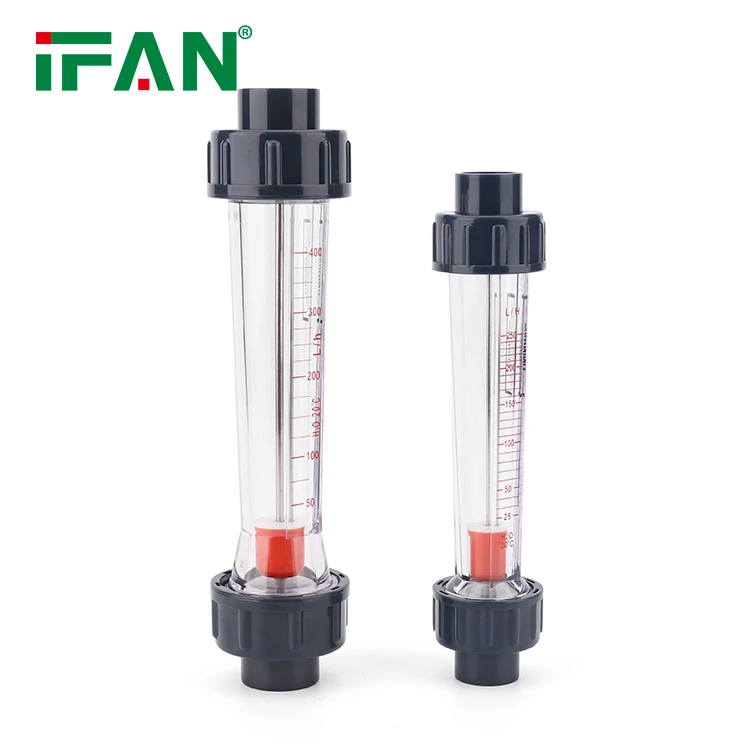
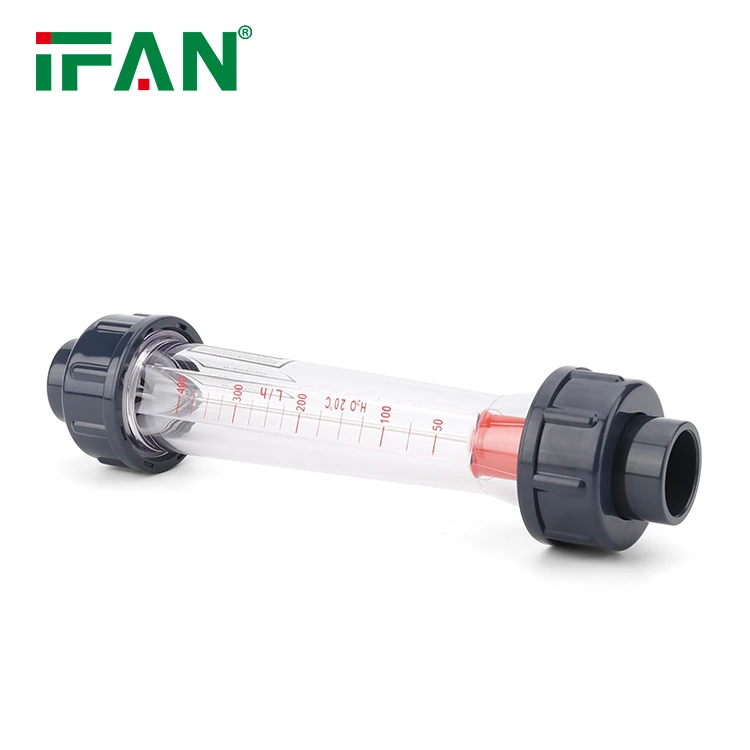
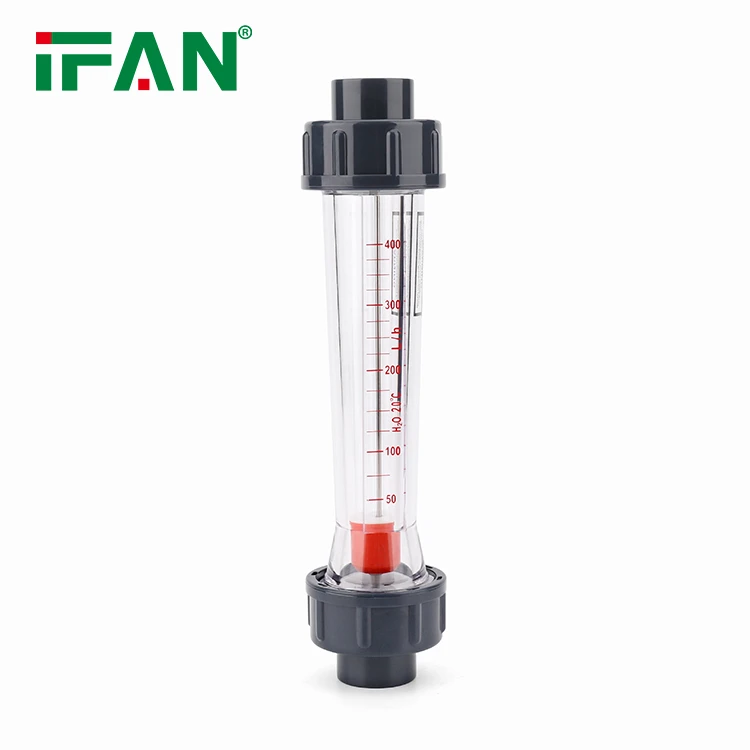
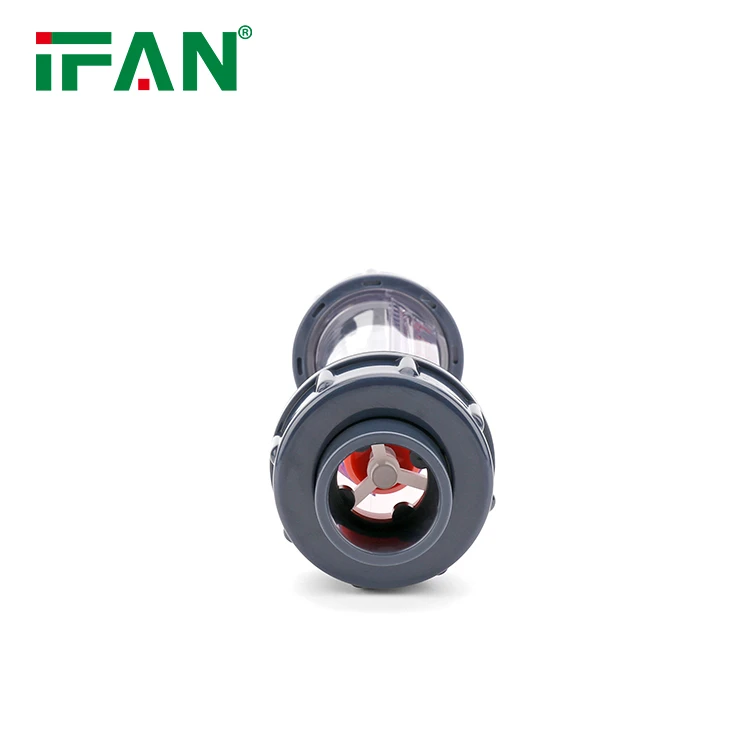
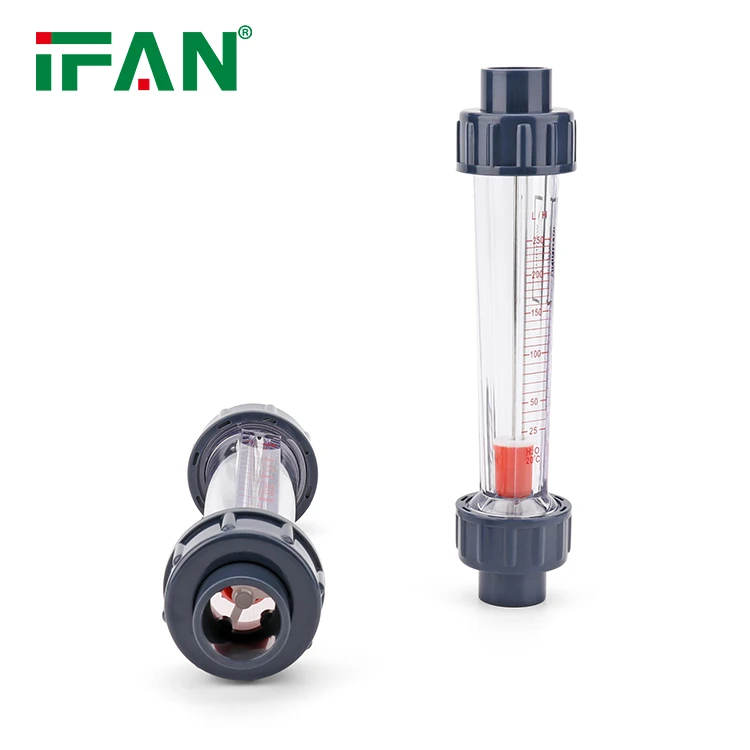
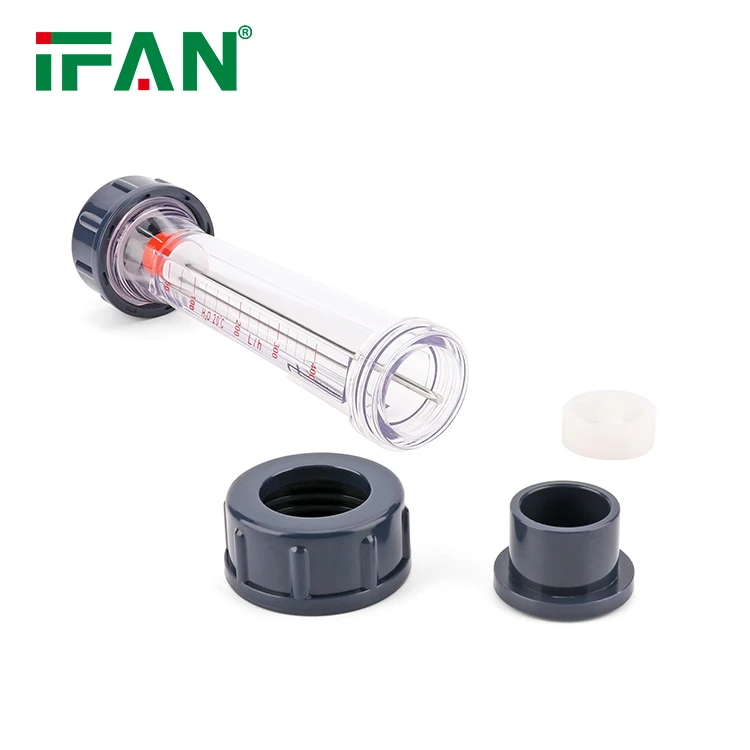
IFAN ASTM D3350 ABS Rotameter
Application: Farms, lawns, gardens, agriculture, cooling systems, greenhouses, flower watering
Origin: Zhejiang, China
Brand: IFAN
Function: Water-saving irrigation system
The standards we can provide include ASTM D3035, ASTM D3350, ISO 4427 Series standards, EN 12201 Series standards, DIN 8074/8075, GB/T 13663 Series standards, AS/NZS 4130, JIS K6760, BS 6572, CSA B137.1, etc.
Introduction: Overview of ABS Rotameter
An ABS Rotameter is a type of flow meter widely used to measure the flow rate of liquids and gases in various industrial applications. Made primarily from Acrylonitrile Butadiene Styrene (ABS), this rotameter offers durability, chemical resistance, and cost-effectiveness. This article explores everything you need to know about ABS Rotameters—from their basic features and common uses to how to choose the right one and tips for proper installation. Additionally, we will compare ABS Rotameters with other common pipe materials to help you make informed decisions.
Frequently Asked Questions (FAQ)
-
What is an ABS Rotameter used for?
It measures the flow rate of liquids or gases in pipelines, providing visual indication of flow level through a float inside a tapered tube. -
Why choose ABS material for rotameters?
ABS is lightweight, chemically resistant, and cost-effective, making it suitable for various industrial environments. -
Can ABS Rotameters be used with corrosive fluids?
Generally, ABS resists many chemicals but it is important to check compatibility with specific fluids to ensure durability. -
How do you install an ABS Rotameter?
Installation requires vertical mounting and ensuring proper flow direction, with attention to avoiding vibration or pressure surges. -
What are the maintenance requirements?
Regular cleaning of the tube and float is necessary to prevent buildup, and inspection for cracks or damage is recommended.
What Is an ABS Rotameter? Basic Definition and Features
An ABS Rotameter is a flow measurement device that uses a float inside a tapered transparent tube to indicate flow rate. As fluid flows upward, it lifts the float, which stabilizes at a point where the flow area matches the flow rate. The ABS material used for the tube and housing is known for its strong impact resistance and chemical stability. Key features include:
-
Material: Made mainly from ABS plastic, offering durability and resistance to many chemicals.
-
Design: Typically vertical with a tapered tube and a float that moves freely inside.
-
Readability: Clear tube allows easy visual reading of flow rate.
-
Range: Suitable for low to medium flow rates depending on size.
-
Lightweight: Easier to handle and install compared to metal rotameters.
Because ABS is a thermoplastic polymer, it performs well in moderate temperature ranges and environments where corrosion is a concern.
Common Uses and Application Industries
ABS Rotameters find their way into a variety of industries due to their versatility and affordability. Typical applications include:
-
Water Treatment: Measuring water flow in filtration and purification systems.
-
Chemical Processing: Handling non-aggressive fluids where corrosion resistance is needed.
-
Pharmaceuticals: Monitoring liquid flows in manufacturing under hygienic conditions.
-
Food and Beverage: Suitable for non-toxic fluid flow measurements.
-
HVAC Systems: Used to measure airflow or chilled water flow.
-
Laboratories and Research: Precise flow measurements for experimental setups.
Thanks to ABS’s resistance to many acids and alkalis, these rotameters are favored in processes requiring chemical durability but at a lower cost than glass or metal models.
How to Choose the Right ABS Rotameter: Selection Guide
Choosing the appropriate ABS Rotameter depends on several factors. Consider these points carefully:
-
Material Quality: Ensure the ABS plastic used is high-grade and certified for your application’s chemical exposure and temperature range.
-
Tube Transparency and Color: Clear tubes improve visibility, but some models have color tinting to enhance readability or reduce UV degradation.
-
Float Material: Floats can be made from stainless steel, plastic, or other materials; select based on fluid compatibility.
-
Size and Flow Range: Match the rotameter size to the expected flow rate for accurate measurements. Oversized or undersized meters lead to errors.
-
Certifications: Look for compliance with industry standards like ISO, ASTM, or specific certifications required in your sector.
-
Connection Type: Check if the rotameter uses threaded, flanged, or compression fittings and ensure compatibility with your pipeline.
-
Temperature and Pressure Ratings: Verify the rotameter can handle your system’s operating conditions without damage.
Taking the time to evaluate these aspects ensures reliable, long-term performance.
Installation Tips and Important Considerations
Installing an ABS Rotameter correctly is crucial for accurate readings and longevity. Follow these guidelines:
-
Vertical Orientation: Always install the rotameter vertically with flow entering from the bottom. This allows the float to rise naturally with fluid flow.
-
Stable Mounting: Secure the rotameter firmly to avoid vibrations that can affect float position and measurement accuracy.
-
Flow Direction: Confirm that the flow direction matches the arrow marked on the rotameter body. Reverse flow damages the float and tube.
-
Avoid Pressure Surges: Sudden pressure spikes can crack the ABS tube. Use dampeners or pressure regulators if necessary.
-
Clean Fluid: Ensure the fluid is free from debris or particles that could obstruct the float’s movement. Use filters upstream if needed.
-
Ambient Conditions: Protect from excessive UV exposure or extreme temperatures to prevent ABS degradation over time.
-
Periodic Inspection: Regularly check for signs of wear, discoloration, or cracks, and clean the inside of the tube if deposits form.
Proper installation maximizes measurement accuracy and extends the device’s service life.
ABS Rotameter vs Other Pipe Materials: A Comparison
| Feature | ABS Rotameter | Glass Rotameter | Stainless Steel Rotameter |
|---|---|---|---|
| Material | Thermoplastic plastic (ABS) | Borosilicate or similar glass | Stainless steel alloys |
| Durability | Good impact resistance, moderate temperature tolerance | Brittle, prone to breakage | High durability, withstands high temps & pressures |
| Chemical Resistance | Resistant to many chemicals, less resistant to strong solvents | Excellent chemical resistance | Excellent chemical resistance |
| Cost | Generally low-cost and economical | More expensive due to glass | Highest cost among the three |
| Weight | Lightweight | Heavier than ABS | Heaviest |
| Visibility | Clear, good for flow reading | Excellent clarity and precision | Usually less transparent; requires dial gauges |
| Installation Ease | Easy to install and handle | Requires careful handling | Requires professional installation |
| Application Range | Suitable for moderate temps & flows | Suitable for moderate flows | Suitable for high temp and pressure systems |
In summary, ABS rotameters offer an affordable and practical solution for many applications, while glass models provide high visibility but are fragile. Stainless steel variants are best for harsh environments but come at a higher price.
Conclusion
To sum up, ABS Rotameters provide a reliable, cost-effective way to measure flow rates in various industrial and commercial applications. Their lightweight design, chemical resistance, and ease of installation make them a practical option for many users. However, selecting the right model requires careful consideration of material quality, flow range, and installation conditions. By understanding their advantages and limitations compared to glass and metal rotameters, you can ensure optimal performance and long-term durability. Whether you work in water treatment, chemical processing, or HVAC, an ABS Rotameter can meet your needs efficiently and accurately.
Contact
With of experience, IFAN is a specialist manufacturer specializing in the production of high quality plastic fittings, fittings and valves. Our products cover copper valves, PPR valves and various fitting and fittingxs to meet different customer needs. No matter what your needs are for plumbing or valves, IFAN offers a wide range of cost-effective products to support your project. Below is our contact information, this is our Whatsapp: +86 19857948982, Email: [email protected]
Related products
-
 Irrigation Series
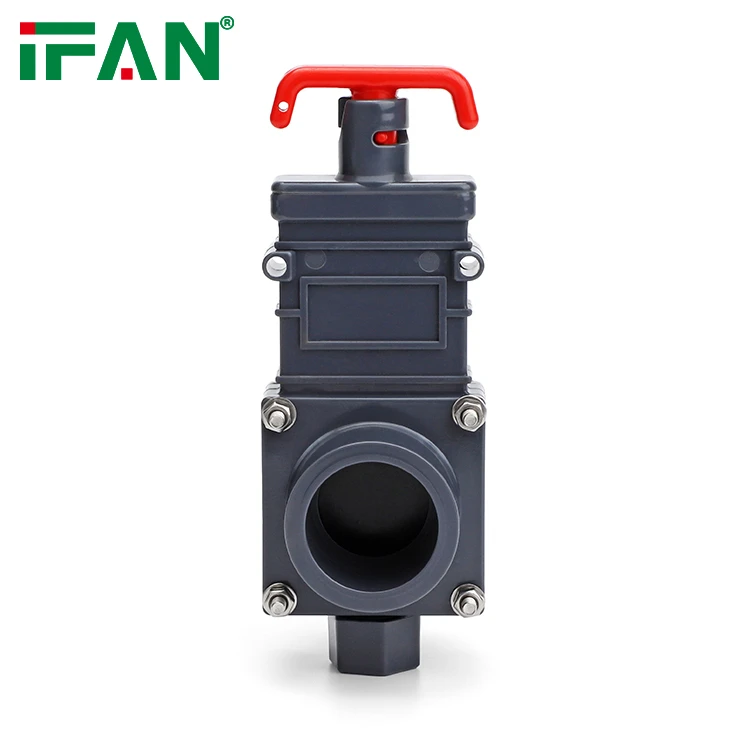
IFAN ISO 4427 PVC Knife Gate Valve
-
 Irrigation Series
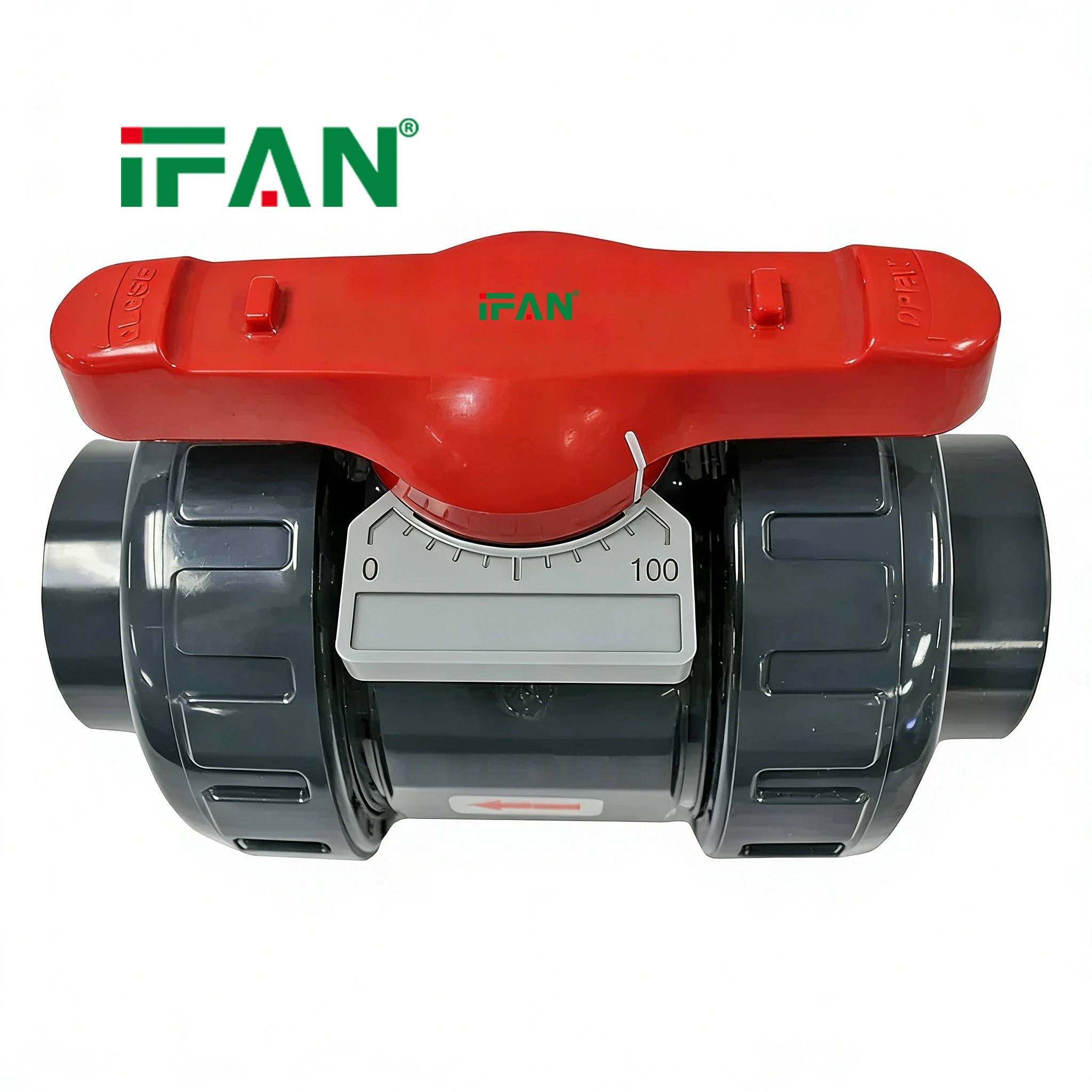
IFAN ASTM D3350 Flow Control Ball Valve
-
 Irrigation Series
IFAN ASTM D3350 Bypass Drip Irrigation Cap
-
 Irrigation Series
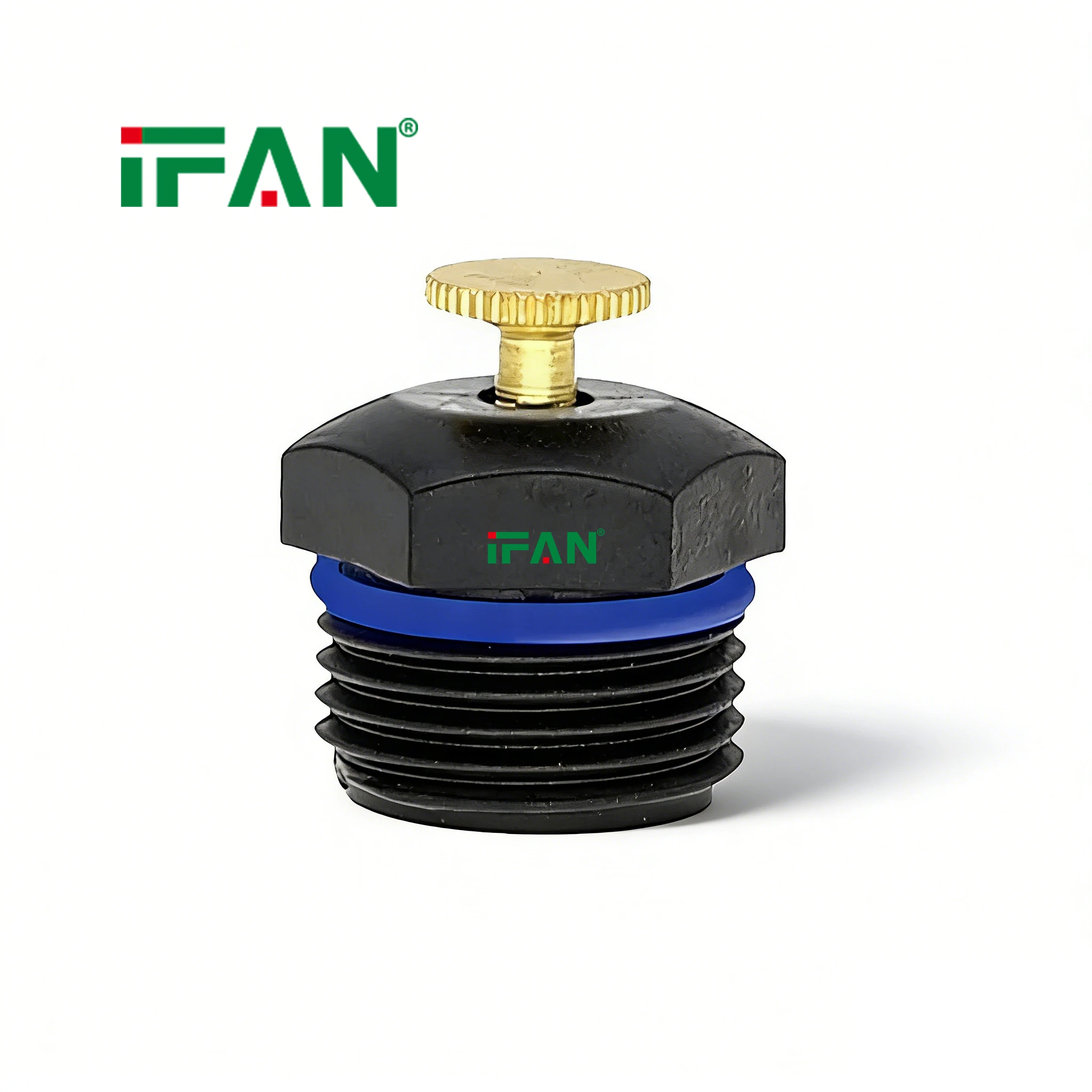
IFAN ASTM D3350 360 Degree Brass Refraction Spray Nozzle
-

-

-
 601 HDPE Compression Fittings
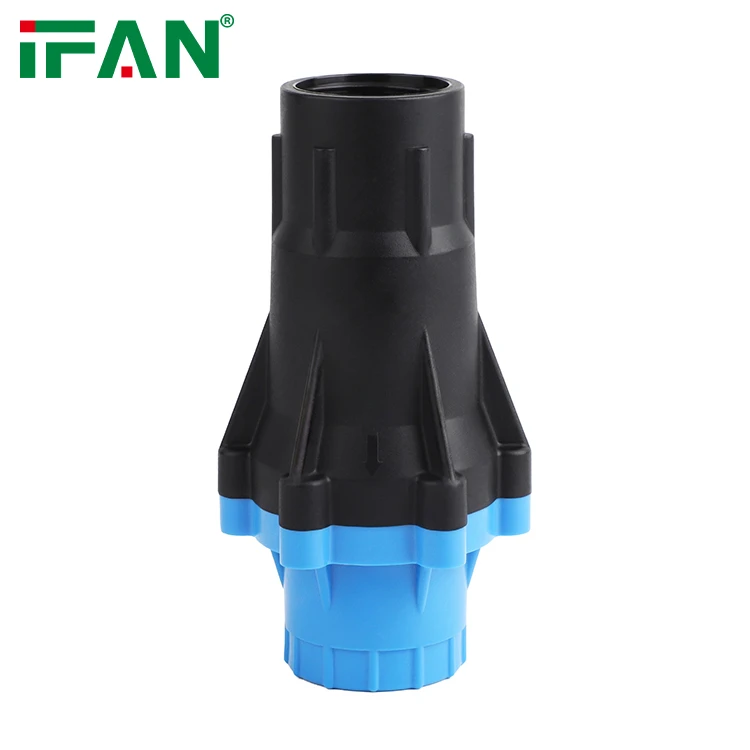
IFAN ASTM D3035 HDPE Irrigation Pressure Regulator
-
