


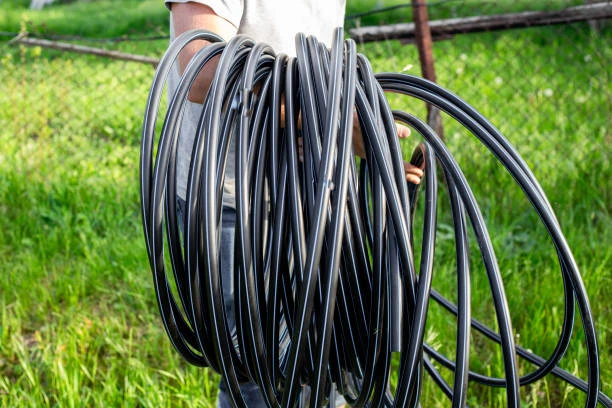
High-Density Polyethylene (HDPE) is a durable, versatile plastic. It is widely used for various applications due to its excellent thermal stability. HDPE offers significant heat resistance, which makes it suitable for high-temperature environments. This article explores HDPE’s thermal stability, key properties, and its benefits in different applications.
Thermal Stability Overview
Thermal stability refers to a material’s ability to maintain its properties under heat exposure. HDPE can resist high temperatures effectively, maintaining its structural integrity. Unlike many other plastics, Plastic HDPE doesn’t degrade under moderate heat. It stays stable and retains strength in demanding conditions.
Key Thermal Properties of HDPE
HDPE’s thermal stability depends on several factors like melting point, conductivity, and expansion rate. These properties ensure its high performance in various applications.
Melting Point
Plastic HDPE has a high melting point, ranging from 120°C to 130°C (248°F to 266°F). This feature allows HDPE to handle moderate heat without softening. Its high melting point makes it suitable for applications exposed to heat.
Thermal Conductivity
Plastic HDPE has low thermal conductivity, approximately 0.45 W/m·K. It doesn’t transfer heat easily, offering insulation properties. This reduces the risk of heat damage in applications requiring thermal stability.
Coefficient of Thermal Expansion
HDPE has a moderate coefficient of thermal expansion. It expands and contracts with temperature changes, but it doesn’t deform easily. This property ensures HDPE maintains its shape under thermal stress.
Factors Affecting HDPE’s Thermal Stability
Several factors influence HDPE’s ability to resist heat. These include molecular structure, additives, fillers, and processing conditions.
Molecular Structure
HDPE consists of long, crystalline polyethylene chains. These chains contribute to its high strength and heat resistance. The crystalline structure provides stability under thermal stress, allowing HDPE to endure heat without deforming.
Additives and Stabilizers
Manufacturers often add stabilizers like antioxidants to enhance HDPE’s thermal resistance. These stabilizers prevent heat degradation. They also extend the material’s lifespan, making it more suitable for high-temperature applications.
Fillers and Reinforcements
HDPE can be reinforced with fillers like glass fibers. These fillers improve strength and heat resistance. They allow HDPE to perform better in extreme thermal conditions, offering more durability in demanding environments.
Processing Conditions
Processing temperature and pressure impact HDPE’s thermal stability. Proper processing ensures HDPE maintains its properties. Inadequate processing may lead to defects that reduce its thermal resistance.
Benefits of HDPE’s Thermal Stability
HDPE’s excellent thermal stability provides numerous benefits across different industries. These benefits make it ideal for various high-temperature applications.
Plumbing Systems
HDPE is commonly used for water pipes, sewage, and gas distribution systems. Its heat resistance makes it reliable for hot water applications. HDPE pipes maintain strength at temperatures up to 80°C (176°F), ensuring long-term performance.
Packaging and Food Storage
HDPE is also used in food and beverage packaging. Its heat resistance ensures containers withstand exposure to high temperatures. HDPE packaging keeps contents safe, preventing degradation during storage or processing.
Construction and Insulation
In construction, HDPE is used as an insulating material. Its thermal stability helps maintain structural integrity in fluctuating temperatures. HDPE contributes to energy efficiency by minimizing heat loss or gain in buildings.
Automotive Industry
In automotive applications, HDPE is used for parts exposed to high temperatures. Components like fuel tanks and bumpers benefit from HDPE’s heat resistance. It ensures the reliability of parts even in hot environments, enhancing vehicle safety.
Electrical and Electronics
HDPE is used in electrical insulation materials. Its thermal stability prevents heat damage to sensitive electronic components. HDPE ensures the durability of cables and other electrical systems exposed to heat.
Limitations of HDPE’s Thermal Stability
While HDPE performs well in many applications, it has limitations. Its melting point is lower than that of metals, restricting its use in extreme heat conditions. In some high-temperature environments, HDPE may degrade over time.
Conclusion
HDPE offers excellent thermal stability, making it ideal for applications in various industries. Its high melting point, low thermal conductivity, and resistance to heat degradation make it a reliable material. Whether used in plumbing, construction, packaging, or automotive applications, HDPE continues to perform well in heat-resistant applications. By understanding the factors affecting HDPE’s thermal stability, manufacturers can optimize its performance and extend its lifespan.
IFAN international standard
IFAN’s HDPE products comply with various international standards, ensuring quality, durability, and reliability. These standards include ASTM D3035 and ASTM D3350, which define specifications for polyethylene (PE) pipes and materials. The ISO 4427 and EN 12201 series set global benchmarks for PE pipes used in water supply systems. Additionally, DIN 8074/8075 and GB/T 13663 establish performance and dimension requirements for HDPE pipes in European and Chinese markets. Other recognized standards, such as AS/NZS 4130 (Australia/New Zealand), JIS K6760 (Japan), BS 6572 (UK), and CSA B137.1 (Canada), further demonstrate IFAN’s commitment to meeting industry regulations worldwide.
Contact
IFAN is a professional manufacturer with of experience, dedicated to producing high-quality plastic pipes, fittings, and valves. Our products include brass valves, PPR valves, as well as various pipes and fittings to meet different customer needs. Whether you need plumbing and drainage pipes or valve products, IFAN can provide a diverse range of high-quality, cost-effective products to support your projects. Below is our contact information.
We will reply your email or fax within 24 hours.
You can call us at any time if there is any question on our production.
For more information,pls visit our webside https://www.ifanplus.com/
Pls Mailto: [email protected]
Whatsapp: + 86 19857948982























