


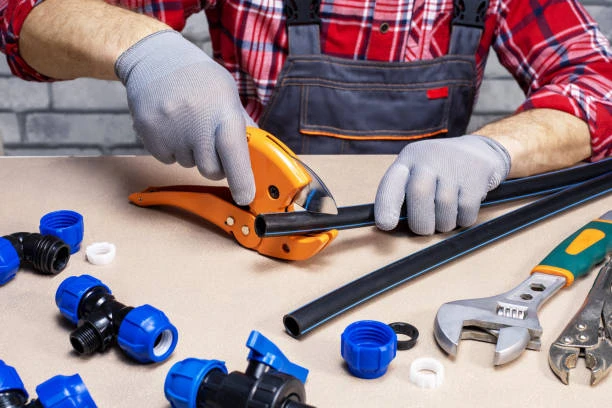
Tube cutters are used to cut various types of pipes, including plastic, metal, and rubber. The cutting method affects the quality and ease of the cut. Different tube cutters use different techniques, such as rotary, scissor-like, ratchet, and compression methods. Each method has its strengths and is suited for specific materials and applications.
Rotary Cutting
Rotary cutters use a rotating cutting wheel to slice through the tube. The user tightens the tool around the tube. The cutting wheel gradually scores and cuts the material. This method works best for thin-walled pipes made of PVC, copper, and soft metals. The cutter’s rotating motion creates clean, even cuts.
Advantages
Rotary cutters provide smooth cuts without jagged edges. They work well for smaller diameter pipes. The tool is easy to use and portable. They are ideal for DIY and professional use. They create precise cuts in a variety of materials. The rotary method is quick and efficient.
Limitations
Rotary cutters are not ideal for larger tubes. They may struggle with thicker materials. The user needs to apply consistent pressure. The tool can be less effective for very hard materials.
Scissor-like Cutting
Scissor-like cutters apply a shearing motion to cut the tube. The user squeezes the handles to bring the blades together. This method is effective for soft materials like rubber and plastic. It works well for smaller pipes and quick cuts. These cutters are commonly used for low-pressure systems.
Advantages
Scissor-like cutters offer fast cutting with minimal effort. The design is simple and easy to use. These cutters create clean, smooth cuts. They are lightweight and portable. The cutting action is direct and requires little adjustment.
Limitations
These cutters are ineffective for thick, hard materials. The blades may dull quickly with heavy use. They are typically suited for smaller diameter pipes.
Ratchet Cutting
Ratchet cutters use a ratcheting mechanism to apply incremental pressure. The user squeezes the handles, and the ratchet advances the cutting wheel. This method is effective for tough materials, like steel and thick plastic. It reduces the effort needed to cut through hard materials.
Advantages
Ratchet cutters can handle thick, tough materials. They reduce the effort needed for cutting. The ratcheting mechanism ensures consistent pressure. They are ideal for heavy-duty cutting tasks. The tool produces clean cuts even in hard materials.
Limitations
Ratchet cutters are bulkier and heavier than other types. They are not suitable for small tubes. They may take longer to cut through smaller materials.
Compression Cutting
Compression cutters use a squeezing motion to cut the tube. The tool tightens around the tube, applying compressive force. This method is effective for tough materials like metal and thick plastic. It is often used for pipes with thick walls.
Advantages
Compression cutters are ideal for hard materials. They ensure a clean, straight cut. The tool can handle larger diameter pipes. It works well for thick-walled tubes. Compression cutters provide precise cuts in tough materials.
Limitations
Compression cutters require more physical effort. They are typically larger and heavier. The tool is not suitable for smaller pipes. It may be difficult to use in tight spaces.
Conclusion
Tube cutters use various methods to cut through pipes, each suitable for different materials and tasks. Rotary cutters are efficient for thin-walled pipes. Scissor-like cutters are best for soft materials and small pipes. Ratchet cutters handle tougher materials and reduce effort. Compression cutters work well for thick, hard materials. Each method offers unique benefits and limitations. The right cutter ensures a clean, precise cut for the job.
Top Tube Cutter Suppliers
| Company Name | Headquarter/Location | Year Founded |
| IFAN | ZhuJi,China | 1993 |
| Celanese Corporation | Irving, Texas, in the United States | 1921 |
| Dow | Midland, Michigan, in the United States | 1897 |
| JM Eagle | Livingston, New Jersey | 1982 |
| Cresline Plastic Pipe Co inc | Mechanicsburg, Pennsylvania, Council Bluffs, Iowa, Corsicana, Texas | 1949 |
IFAN international standard
IFAN products comply with a range of internationally recognized standards, ensuring quality and performance in various applications. These include the ISO 15874 series standards, which outline the specifications for plastic piping systems; the EN 15874 series standards, which cover the requirements for polyethylene (PE) pipes and fittings in water distribution systems; ASTM F2389, which sets the standards for crosslinked polyethylene (PEX) tubing systems; DIN 8077/8078, which address the dimensions and testing of plastic pipes; GB/T 18742 series standards, which are the Chinese national standards for plastic pipes and fittings; and NBR 15884, a Brazilian standard for PE and PEX piping systems. These certifications demonstrate IFAN’s commitment to providing reliable and high-quality products in compliance with global industry standards.
Contact
IFAN is a professional manufacturer with of experience, dedicated to producing high-quality plastic pipes, fittings, and valves. Our products include brass valves, PPR valves, as well as various pipes and fittings to meet different customer needs. Whether you need plumbing and drainage pipes or valve products, IFAN can provide a diverse range of high-quality, cost-effective products to support your projects. Below is our contact information.
We will reply your email or fax within 24 hours.
You can call us at any time if there is any question on our production.
For more information,pls visit our webside https://www.ifanplus.com/
Pls Mailto: [email protected]
Whatsapp: + 86 19857948982























