


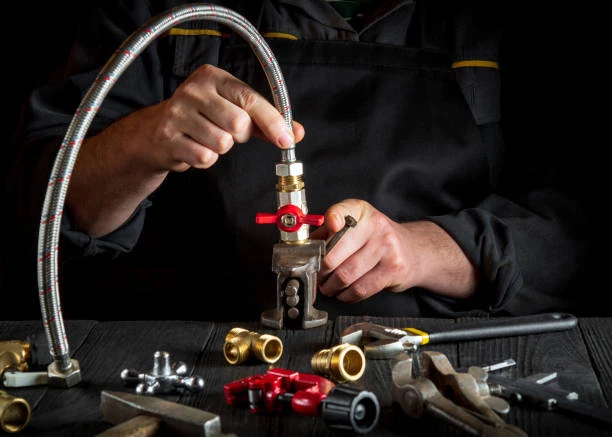
Flexible pipes play an essential role in diverse industries due to their adaptability, durability, and efficiency. Their unique properties make them suitable for environments and situations where rigid pipes cannot perform effectively. From residential plumbing to industrial systems,meet the demands of various applications with ease and reliability.
Residential Plumbing Systems
Flexible pipes streamline residential plumbing installations by navigating tight spaces and complex layouts. Homeowners benefit from faster installations, reduced costs, and enhanced system performance. These pipes handle water supply, drainage, and even radiant heating systems with efficiency.
- Water Supply: Such as PEX tubing, distribute hot and cold water throughout homes. Their ability to bend reduces the need for multiple fittings, minimizing leak points.
- Radiant Heating: Underfloor heating systems use flexible pipes to circulate warm water. Their adaptability ensures even heat distribution, enhancing comfort and energy efficiency.
- Drainage Systems: Flexible pipes handle residential drainage challenges, including compact layouts and irregular pathways. Their resilience ensures effective waste removal without frequent repairs.
Agricultural Irrigation
Farmers rely on them to improve irrigation efficiency and reduce water wastage. These pipes adapt to uneven terrain and extend easily across large fields, delivering water precisely where needed.
- Drip Irrigation:They connect to drip systems, ensuring consistent water flow to plants. Their ability to maneuver around crops and obstacles enhances agricultural productivity.
- Sprinkler Systems: Flexible pipes simplify sprinkler installations by connecting to multiple outlets across fields. Their lightweight design allows easy repositioning to cover new areas.
- Drainage Solutions: Farms use them for field drainage, preventing waterlogging and maintaining soil health. Their durability ensures long-lasting performance under varying conditions.
Oil and Gas Industry
The oil and gas industry depends heavily on them for offshore and onshore operations. These pipes handle the challenges of transporting hydrocarbons, maintaining performance under extreme pressure and temperature fluctuations.
- Offshore Drilling: Flexible risers connect subsea wells to production platforms, accommodating ocean currents and wave movements. Their flexibility ensures safety and efficiency.
- Onshore Applications: Flexible pipes transport crude oil and natural gas over long distances. Their corrosion resistance reduces maintenance needs and enhances operational reliability.
- Chemical Injection: The industry uses them for injecting chemicals into pipelines to prevent blockages or corrosion, ensuring uninterrupted flow.
Industrial Applications
Flexible pipes meet the demands of various industrial sectors, providing efficient solutions for fluid and gas transport. Their ability to handle extreme conditions and dynamic environments makes them indispensable in manufacturing, mining, and processing facilities.
- Cooling Systems: Industries use them to circulate cooling fluids in machinery and production lines. Their adaptability supports complex layouts and space-saving designs.
- Compressed Air Systems: They transport compressed air to tools and equipment. Their lightweight design and resistance to pressure ensure consistent performance.
- Chemical Processing: Flexible pipes transfer aggressive chemicals safely, resisting corrosion and maintaining structural integrity in harsh environments.
HVAC Systems
Flexible pipes enhance the efficiency and flexibility of heating, ventilation, and air conditioning (HVAC) systems. They simplify installations and support optimal airflow or fluid circulation in residential, commercial, and industrial spaces.
- Air Ducts: Flexible ducts connect HVAC units to vents, navigating tight spaces with ease. Their lightweight design reduces installation time and costs.
- Chilled Water Systems: HVAC systems use them to transport chilled water, ensuring consistent cooling in large buildings. Their insulation properties minimize energy loss.
- Steam and Hot Water Systems:They handle the transport of steam or hot water in heating systems, providing durability and efficiency under high temperatures.
Construction and Infrastructure
The construction industry benefits significantly from the versatility of them. These pipes simplify installations in new buildings, retrofitting projects, and large-scale infrastructure developments.
- Water Supply Networks: Flexible pipes connect municipal water mains to buildings, navigating challenging terrains and reducing installation time.
- Drainage Systems: Construction sites use them for temporary drainage solutions, ensuring proper water management during building phases.
- Gas Supply: Flexible pipes distribute natural gas to residential and commercial buildings, maintaining safety and reliability in urban infrastructure.
Renewable Energy Systems
Renewable energy technologies leverage flexible pipes for efficient fluid or gas transfer. Their adaptability supports innovative designs in solar, geothermal, and wind energy systems.
- Solar Thermal Systems: Flexible pipes transport heated fluids in solar collectors, connecting to storage tanks and distribution systems. Their insulation ensures minimal heat loss.
- Geothermal Systems: Flexible pipes facilitate heat exchange in geothermal systems, withstanding underground conditions and temperature fluctuations.
- Hydropower: Flexible pipes channel water in small-scale hydropower systems, supporting energy generation in remote locations.
Transport and Automotive Industries
Flexible pipes serve various functions in the transport and automotive sectors, supporting fuel transfer, cooling systems, and hydraulic operations.
- Fuel Lines: Vehicles use them to transport fuel from tanks to engines, ensuring consistent flow and safety.
- Coolant Systems: Flexible pipes connect engine components to radiators, maintaining optimal operating temperatures.
- Hydraulics: Heavy machinery and vehicles use them in hydraulic systems, handling high pressures and dynamic movements.
Marine Applications
The marine industry employs flexible pipes for water supply, waste management, and fuel transfer on ships and offshore structures. Their resistance to saltwater and mechanical stress ensures long-lasting performance.
- Ballast Systems: Flexible pipes regulate water levels in ballast tanks, maintaining vessel stability.
- Wastewater Management: Ships use them to transport and treat wastewater, ensuring compliance with environmental standards.
- Fuel Lines: Flexible pipes deliver fuel to engines and generators, providing safety and efficiency in marine environments.
Emerging Applications
As industries innovate, flexible pipes find new applications that capitalize on their adaptability and resilience.
- Smart Cities: Flexible pipes integrate with smart city infrastructure, connecting sensors and data systems for water, gas, and energy management.
- Robotics: Flexible pipes enable fluid or gas transfer in robotic systems, supporting dynamic movements and compact designs.
- 3D Printing: Flexible pipes supply materials in advanced manufacturing processes, enhancing precision and efficiency.
Conclusion
The applications of them span countless industries, demonstrating their versatility and value. Their adaptability, ease of installation, and ability to handle dynamic conditions make them essential for modern infrastructure and technology. As innovations continue, flexible pipes will expand their role, meeting the demands of emerging industries and driving progress.
IFAN international standard
IFAN standards include a range of international certifications and specifications such as ASTM 2846, DIN 8079/8080, ASTM F441/F441M SCH80, DIN, GB/T 18993 series, AS/NZS 1477, CSA B137.6, NSF/ANSI 14, and TIS 17-2532/1131-2535, among others. These standards ensure the quality, safety, and reliability of products, aligning with global manufacturing and performance requirements. By adhering to these standards, IFAN guarantees that its products meet rigorous industry benchmarks, ensuring customer satisfaction and compliance with regulatory guidelines across various regions.
Contact
IFAN is a professional manufacturer with of experience, dedicated to producing high-quality plastic pipes, fittings, and valves. Our products include brass valves, PPR valves, as well as various pipes and fittings to meet different customer needs. Whether you need plumbing and drainage pipes or valve products, IFAN can provide a diverse range of high-quality, cost-effective products to support your projects. Below is our contact information.
We will reply your email or fax within 24 hours.
You can call us at any time if there is any question on our production.
For more information,pls visit our webside https://www.ifanplus.com/
Pls Mailto: [email protected]
Whatsapp: + 86 19857948982























