


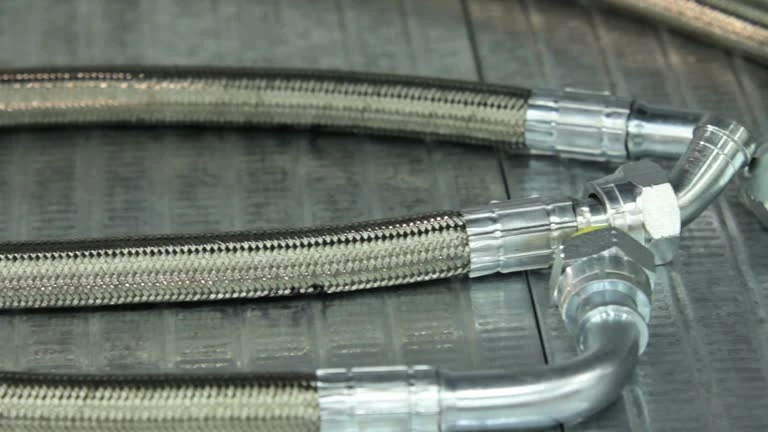
Selang logam play a vital role in many industries. Their ability to resist corrosion ensures longevity and reliability. Understanding corrosion resistance helps in selecting the right hose for specific needs. This article explores factors affecting corrosion resistance and highlights key applications.
1. Material Selection Enhances Corrosion Resistance
Choosing the right material improves a hose’s ability to resist corrosion. Different metals offer varying levels of protection.
- Baja tahan karat: Stainless steel stands out for its corrosion resistance. Engineers prefer grades like 304 and 316 for harsh environments. Chromium in stainless steel forms a protective layer, preventing rust. This feature makes stainless steel hoses ideal for chemical and marine applications.
- Logam Paduan: Alloy hoses combine metals to boost corrosion resistance. Nickel, titanium, and copper enhance durability. For example, nickel alloys resist aggressive chemicals effectively. Titanium hoses excel in seawater environments, offering superior protection.
- Baja Galvanis: Galvanized steel hoses receive a zinc coating to prevent rust. Zinc acts as a sacrificial layer, corroding before the steel. These hoses suit less aggressive environments like construction sites. However, they offer less protection than stainless or alloy hoses.
2. Environmental Factors Influence Corrosion
Various environmental elements affect a hose’s corrosion resistance. Understanding these factors ensures proper hose selection.
- Humidity and Moisture: High humidity accelerates corrosion. Moist environments promote rust formation on metal hoses. Stainless steel hoses handle moisture well due to their protective layers. In extremely humid areas, adding protective coatings further enhances resistance.
- Saltwater Exposure: Saltwater significantly increases corrosion risk. Salt acts as an electrolyte, speeding up rust processes. Stainless steel grade 316 resists saltwater better than grade 304. In marine settings, engineers prefer hoses made from high-grade stainless or titanium alloys.
- Paparan Bahan Kimia: Hoses often encounter acids, alkalis, and other chemicals. These substances can degrade metal over time. Alloy hoses resist chemical attacks better than standard stainless steel. Industries like pharmaceuticals and food processing rely on highly resistant hoses to maintain safety and efficiency.
- Suhu Ekstrem: Extreme temperatures can impact corrosion rates. High temperatures may accelerate chemical reactions leading to corrosion. Metal hoses in hot environments often use specialized alloys to maintain resistance. Conversely, cold temperatures can make metals brittle, increasing susceptibility to damage and corrosion.
3. Protective Coatings Improve Durability
Applying protective coatings adds another layer of defense against corrosion. These coatings enhance the hose’s lifespan.
- PTFE Coatings: PTFE offers excellent chemical resistance. It creates a barrier that prevents corrosive elements from reaching the metal. PTFE-coated hoses are common in chemical processing industries. They maintain integrity even in highly corrosive environments.
- PVC Coatings: PVC provides flexibility and corrosion protection. It shields metal hoses from moisture and chemical exposure. PVC-coated hoses suit applications in construction and general industrial use. These coatings also make hoses easier to handle and install.
- Epoxy Coatings: Epoxy adds strength and corrosion resistance. It adheres tightly to metal surfaces, offering robust protection. Epoxy-coated hoses perform well in abrasive and corrosive settings. They are often used in mining and heavy industries where durability is crucial.
4. Design Features Enhance Corrosion Resistance
Hose design plays a significant role in resisting corrosion. Thoughtful design improves overall performance.
- Penguatan Jalinan: Braided layers add strength and flexibility. They prevent kinking and collapse, reducing corrosion risks. Stainless steel braids protect against mechanical wear and environmental exposure. Braided hoses maintain their shape and integrity under pressure.
- Konstruksi Tanpa Sambungan: Seamless hoses reduce weak points where corrosion can initiate. They offer uniform strength and better resistance to internal and external corrosion. Seamless designs are preferred in high-pressure and critical applications.
- Sendi Fleksibel: Incorporating flexible joints allows movement without stressing the hose. Reduced stress minimizes damage and corrosion. Flexible joints are essential in dynamic environments like automotive and aerospace industries.
5. Maintenance Practices Prevent Corrosion
Regular maintenance extends a hose’s life by preventing corrosion. Proactive care ensures optimal performance.
- Inspeksi Reguler: Frequent checks identify early signs of corrosion. Spotting issues early allows for timely repairs or replacements. Inspections focus on joints, bends, and exposed areas where corrosion starts.
- Cleaning and Drying: Keeping hoses clean removes corrosive agents. After use, drying hoses prevents moisture buildup. Clean hoses resist rust and degradation longer. Implementing cleaning protocols in operations helps maintain hose integrity.
- Applying Protective Oils: Lubricating hoses with protective oils creates a barrier against moisture and chemicals. Oils reduce friction and prevent corrosive substances from contacting metal surfaces. This practice is common in automotive and industrial settings.
6. Applications Benefit from Corrosion-Resistant Hoses
Many industries rely on corrosion-resistant metal hoses for their operations. These hoses ensure safety and efficiency.
- Pengolahan Kimia: Corrosive chemicals require highly resistant hoses. Stainless steel and alloy hoses prevent leaks and contamination. Reliable hoses maintain process integrity and worker safety.
- Industri Kelautan: Boats and ships use corrosion-resistant hoses for fuel and water systems. High-grade stainless steel and titanium hoses withstand saltwater exposure. These hoses ensure smooth and safe marine operations.
- Food and Beverage: Hygiene standards demand corrosion-resistant hoses. Stainless steel hoses prevent contamination and maintain cleanliness. They handle food-grade materials without degrading, ensuring product safety.
- Minyak dan Gas: Harsh environments in oil and gas industries require robust hoses. Alloy hoses resist corrosive fluids and high pressures. Reliable hoses prevent leaks and operational disruptions in critical systems.
- Otomotif: Vehicles use corrosion-resistant hoses in engines and cooling systems. Flexible metal hoses handle temperature changes and vibrations. They ensure efficient performance and longevity of automotive components.
7. Innovations Improve Corrosion Resistance
Advancements in materials and technology enhance hose corrosion resistance. Innovations lead to better performance and durability.
- Paduan Lanjutan: Developing new alloys increases corrosion resistance. These materials offer superior protection in extreme environments. Engineers continue to improve alloy compositions for specific applications.
- Nanotechnology Coatings: Nanotech coatings provide ultra-thin, highly effective barriers. They protect metal surfaces without adding bulk. These coatings enhance hose flexibility and resistance to corrosion.
- Sistem Pemantauan Cerdas: Integrating sensors monitors hose condition in real-time. Early detection of corrosion helps prevent failures. Smart systems enable proactive maintenance and extend hose life.
8. Environmental Sustainability and Corrosion Resistance
Sustainable practices align with corrosion-resistant hose use. Long-lasting hoses reduce waste and environmental impact.
- Bahan yang Dapat Didaur UlangPenggunaan logam daur ulang pada selang mendukung tujuan lingkungan. Daur ulang mengurangi konsumsi sumber daya dan limbah. Material berkelanjutan memastikan selang berkontribusi positif terhadap upaya pelestarian lingkungan.
- Manufaktur Hemat EnergiPeningkatan proses manufaktur menurunkan penggunaan energi. Produksi hemat energi mengurangi jejak karbon selang. Praktik manufaktur berkelanjutan bermanfaat bagi industri dan lingkungan.
- Umur Selang yang Lebih Panjang: Corrosion-resistant hoses last longer, minimizing replacements. Fewer replacements reduce material waste and environmental strain. Investing in durable hoses supports sustainability initiatives.
9. Challenges and Solutions in Corrosion Resistance
Despite advancements, challenges in corrosion resistance persist. Addressing these issues ensures optimal hose performance.
- Pertimbangan Biaya: High-resistance materials often cost more. Balancing cost with performance is essential. Investing in quality hoses saves money long-term by reducing replacements and downtime.
- Lingkungan Kompleks: Harsh and variable conditions complicate hose selection. Understanding specific environmental factors aids in choosing the right hose. Customized solutions address unique corrosion challenges.
- Keterbatasan Teknologi: Developing new materials requires ongoing research. Innovations must balance performance with manufacturability. Collaborative efforts drive progress in corrosion-resistant technologies.
10. Future Trends in Corrosion-Resistant Hoses
The future holds promising developments for metal hose corrosion resistance. Emerging trends focus on enhancing durability and performance.
- Bahan Cerdas: Integrating smart materials offers adaptive corrosion resistance. These materials respond to environmental changes, providing real-time protection.
- Pelapis Ramah Lingkungan: Developing non-toxic, sustainable coatings improves environmental impact. Eco-friendly solutions enhance corrosion resistance without harmful effects.
- Otomasi dalam Manufaktur: Automated processes ensure consistent quality and protection. Precision manufacturing reduces defects and enhances hose durability.
- Teknologi Pemantauan yang Ditingkatkan: Advanced sensors and AI predict corrosion trends. Predictive maintenance prevents failures and extends hose lifespan.
Kesimpulan
Corrosion resistance remains a critical feature of metal hoses. Selecting the right materials and designs ensures longevity and reliability. Industries like chemical processing, marine, and automotive benefit greatly from corrosion-resistant hoses. Innovations and sustainable practices continue to improve hose performance. Understanding factors influencing corrosion resistance helps in making informed choices. Investing in quality hoses enhances safety, efficiency, and environmental sustainability across various applications.
Standar internasional IFAN
IFAN (International Fluid and Application Network) mematuhi beberapa standar internasional yang diakui untuk memastikan kualitas dan keandalan produknya. Standar-standar ini mencakup, misalnya, ASTM A312, yang menetapkan persyaratan untuk pipa baja tahan karat austenitik tanpa sambungan, dilas, dan dianil dingin. Selain itu, perusahaan ini mengikuti GB/T 12777-2019, standar nasional Tiongkok yang mencakup spesifikasi pipa baja tahan karat. Lebih lanjut, IFAN mematuhi ISO 10380-2012, yang menguraikan persyaratan untuk sambungan pipa baja tahan karat. Dengan menyelaraskan standar-standar yang telah ditetapkan ini, IFAN tidak hanya memastikan keunggulan teknis produknya, tetapi juga menjamin bahwa produk tersebut memenuhi tuntutan industri global akan kinerja, daya tahan, dan keamanan di berbagai sistem fluida dan aplikasi.
Kontak
IFAN adalah produsen profesional dengan pengalaman 30 tahun, yang berdedikasi untuk memproduksi pipa, fitting, dan katup plastik berkualitas tinggi. Produk kami meliputi katup kuningan, katup PPR, serta berbagai pipa dan fitting untuk memenuhi berbagai kebutuhan pelanggan. Baik Anda memerlukan pipa ledeng dan drainase atau produk katup, IFAN dapat menyediakan berbagai macam produk berkualitas tinggi dan hemat biaya untuk mendukung proyek Anda. Berikut adalah informasi kontak kami.
Kami akan membalas email atau faks Anda dalam waktu 24 jam.
Anda dapat menghubungi kami kapan saja jika ada pertanyaan tentang produksi kami.
Untuk informasi lebih lanjut, silakan kunjungi situs web kami https://www.ifanplus.com/
Silakan Kirim Email ke: [email protected]
Telepon Whatsapp: + 86 19857948982























