


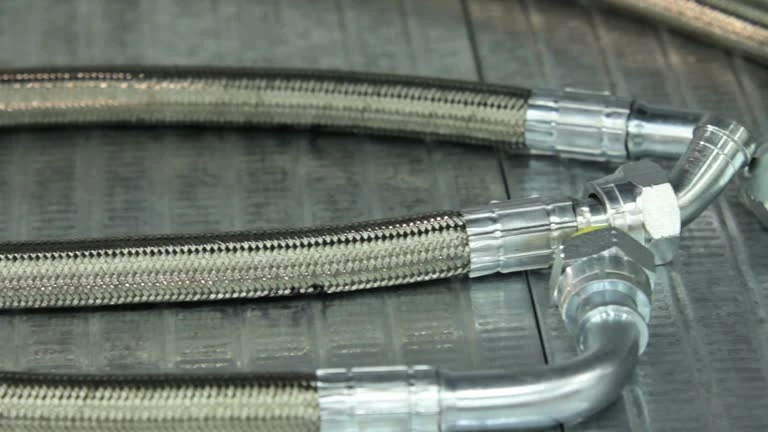
Mangueras metálicas play a vital role in many industries. Their ability to resist corrosion ensures longevity and reliability. Understanding corrosion resistance helps in selecting the right hose for specific needs. This article explores factors affecting corrosion resistance and highlights key applications.
1. Material Selection Enhances Corrosion Resistance
Choosing the right material improves a hose’s ability to resist corrosion. Different metals offer varying levels of protection.
- Acero inoxidable: Stainless steel stands out for its corrosion resistance. Engineers prefer grades like 304 and 316 for harsh environments. Chromium in stainless steel forms a protective layer, preventing rust. This feature makes stainless steel hoses ideal for chemical and marine applications.
- Metales de aleación: Alloy hoses combine metals to boost corrosion resistance. Nickel, titanium, and copper enhance durability. For example, nickel alloys resist aggressive chemicals effectively. Titanium hoses excel in seawater environments, offering superior protection.
- Acero galvanizado: Galvanized steel hoses receive a zinc coating to prevent rust. Zinc acts as a sacrificial layer, corroding before the steel. These hoses suit less aggressive environments like construction sites. However, they offer less protection than stainless or alloy hoses.
2. Environmental Factors Influence Corrosion
Various environmental elements affect a hose’s corrosion resistance. Understanding these factors ensures proper hose selection.
- Humidity and Moisture: High humidity accelerates corrosion. Moist environments promote rust formation on metal hoses. Stainless steel hoses handle moisture well due to their protective layers. In extremely humid areas, adding protective coatings further enhances resistance.
- Saltwater Exposure: Saltwater significantly increases corrosion risk. Salt acts as an electrolyte, speeding up rust processes. Stainless steel grade 316 resists saltwater better than grade 304. In marine settings, engineers prefer hoses made from high-grade stainless or titanium alloys.
- Exposición química: Hoses often encounter acids, alkalis, and other chemicals. These substances can degrade metal over time. Alloy hoses resist chemical attacks better than standard stainless steel. Industries like pharmaceuticals and food processing rely on highly resistant hoses to maintain safety and efficiency.
- Temperaturas extremas: Extreme temperatures can impact corrosion rates. High temperatures may accelerate chemical reactions leading to corrosion. Metal hoses in hot environments often use specialized alloys to maintain resistance. Conversely, cold temperatures can make metals brittle, increasing susceptibility to damage and corrosion.
3. Protective Coatings Improve Durability
Applying protective coatings adds another layer of defense against corrosion. These coatings enhance the hose’s lifespan.
- PTFE Coatings: PTFE offers excellent chemical resistance. It creates a barrier that prevents corrosive elements from reaching the metal. PTFE-coated hoses are common in chemical processing industries. They maintain integrity even in highly corrosive environments.
- PVC Coatings: PVC provides flexibility and corrosion protection. It shields metal hoses from moisture and chemical exposure. PVC-coated hoses suit applications in construction and general industrial use. These coatings also make hoses easier to handle and install.
- Epoxy Coatings: Epoxy adds strength and corrosion resistance. It adheres tightly to metal surfaces, offering robust protection. Epoxy-coated hoses perform well in abrasive and corrosive settings. They are often used in mining and heavy industries where durability is crucial.
4. Design Features Enhance Corrosion Resistance
Hose design plays a significant role in resisting corrosion. Thoughtful design improves overall performance.
- Refuerzos trenzados: Braided layers add strength and flexibility. They prevent kinking and collapse, reducing corrosion risks. Stainless steel braids protect against mechanical wear and environmental exposure. Braided hoses maintain their shape and integrity under pressure.
- Seamless Construction: Seamless hoses reduce weak points where corrosion can initiate. They offer uniform strength and better resistance to internal and external corrosion. Seamless designs are preferred in high-pressure and critical applications.
- Flexible Joints: Incorporating flexible joints allows movement without stressing the hose. Reduced stress minimizes damage and corrosion. Flexible joints are essential in dynamic environments like automotive and aerospace industries.
5. Maintenance Practices Prevent Corrosion
Regular maintenance extends a hose’s life by preventing corrosion. Proactive care ensures optimal performance.
- Inspecciones regulares: Frequent checks identify early signs of corrosion. Spotting issues early allows for timely repairs or replacements. Inspections focus on joints, bends, and exposed areas where corrosion starts.
- Cleaning and Drying: Keeping hoses clean removes corrosive agents. After use, drying hoses prevents moisture buildup. Clean hoses resist rust and degradation longer. Implementing cleaning protocols in operations helps maintain hose integrity.
- Applying Protective Oils: Lubricating hoses with protective oils creates a barrier against moisture and chemicals. Oils reduce friction and prevent corrosive substances from contacting metal surfaces. This practice is common in automotive and industrial settings.
6. Applications Benefit from Corrosion-Resistant Hoses
Many industries rely on corrosion-resistant metal hoses for their operations. These hoses ensure safety and efficiency.
- Procesamiento químico: Corrosive chemicals require highly resistant hoses. Stainless steel and alloy hoses prevent leaks and contamination. Reliable hoses maintain process integrity and worker safety.
- Marine Industry: Boats and ships use corrosion-resistant hoses for fuel and water systems. High-grade stainless steel and titanium hoses withstand saltwater exposure. These hoses ensure smooth and safe marine operations.
- Alimentos y bebidas: Hygiene standards demand corrosion-resistant hoses. Stainless steel hoses prevent contamination and maintain cleanliness. They handle food-grade materials without degrading, ensuring product safety.
- Petróleo y gas: Harsh environments in oil and gas industries require robust hoses. Alloy hoses resist corrosive fluids and high pressures. Reliable hoses prevent leaks and operational disruptions in critical systems.
- Automotive: Vehicles use corrosion-resistant hoses in engines and cooling systems. Flexible metal hoses handle temperature changes and vibrations. They ensure efficient performance and longevity of automotive components.
7. Innovations Improve Corrosion Resistance
Advancements in materials and technology enhance hose corrosion resistance. Innovations lead to better performance and durability.
- Aleaciones avanzadas: Developing new alloys increases corrosion resistance. These materials offer superior protection in extreme environments. Engineers continue to improve alloy compositions for specific applications.
- Nanotechnology Coatings: Nanotech coatings provide ultra-thin, highly effective barriers. They protect metal surfaces without adding bulk. These coatings enhance hose flexibility and resistance to corrosion.
- Smart Monitoring Systems: Integrating sensors monitors hose condition in real-time. Early detection of corrosion helps prevent failures. Smart systems enable proactive maintenance and extend hose life.
8. Environmental Sustainability and Corrosion Resistance
Las prácticas sostenibles se alinean con el uso de mangueras resistentes a la abrasión. Las mangueras de larga duración reducen los residuos y el impacto ambiental.
- Materiales reciclables: Using recyclable metals in hoses supports environmental goals. Recycling reduces resource consumption and waste. Sustainable materials ensure hoses contribute positively to environmental efforts.
- Fabricación energéticamente eficiente: Improving manufacturing processes lowers energy use. Energy-efficient production reduces the carbon footprint of hoses. Sustainable manufacturing practices benefit both industry and the environment.
- Mayor vida útil de la manguera: Corrosion-resistant hoses last longer, minimizing replacements. Fewer replacements reduce material waste and environmental strain. Investing in durable hoses supports sustainability initiatives.
9. Challenges and Solutions in Corrosion Resistance
A pesar de los avances, persisten los desafíos en la resistencia a la abrasión. Abordar estos problemas garantiza un rendimiento óptimo de las mangueras.
- Consideraciones de costos: High-resistance materials often cost more. Balancing cost with performance is essential. Investing in quality hoses saves money long-term by reducing replacements and downtime.
- Entornos complejos: Harsh and variable conditions complicate hose selection. Understanding specific environmental factors aids in choosing the right hose. Customized solutions address unique corrosion challenges.
- Limitaciones tecnológicas: Developing new materials requires ongoing research. Innovations must balance performance with manufacturability. Collaborative efforts drive progress in corrosion-resistant technologies.
10. Future Trends in Corrosion-Resistant Hoses
The future holds promising developments for metal hose corrosion resistance. Emerging trends focus on enhancing durability and performance.
- Materiales inteligentes: Integrating smart materials offers adaptive corrosion resistance. These materials respond to environmental changes, providing real-time protection.
- Recubrimientos ecológicos: Developing non-toxic, sustainable coatings improves environmental impact. Eco-friendly solutions enhance corrosion resistance without harmful effects.
- Automatización en la fabricación: Automated processes ensure consistent quality and protection. Precision manufacturing reduces defects and enhances hose durability.
- Tecnologías de monitoreo mejoradas: Advanced sensors and AI predict corrosion trends. Predictive maintenance prevents failures and extends hose lifespan.
Conclusión
Corrosion resistance remains a critical feature of metal hoses. Selecting the right materials and designs ensures longevity and reliability. Industries like chemical processing, marine, and automotive benefit greatly from corrosion-resistant hoses. Innovations and sustainable practices continue to improve hose performance. Understanding factors influencing corrosion resistance helps in making informed choices. Investing in quality hoses enhances safety, efficiency, and environmental sustainability across various applications.
Norma internacional IFAN
IFAN (Red Internacional de Fluidos y Aplicaciones) cumple con diversas normas internacionales reconocidas para garantizar la calidad y la fiabilidad de sus productos. Entre ellas, se incluye, por ejemplo, la norma ASTM A312, que especifica los requisitos para tuberías de acero inoxidable austenítico recocido, soldadas y sin costura. Asimismo, la empresa cumple con la norma GB/T 12777-2019, una norma nacional china que regula las especificaciones de las tuberías de acero inoxidable. Asimismo, IFAN cumple con la norma ISO 10380-2012, que describe los requisitos para los accesorios de tubería de acero inoxidable. Al alinearse con estas normas, IFAN no solo garantiza la excelencia técnica de sus productos, sino que también garantiza que cumplan con las exigencias de la industria global en cuanto a rendimiento, durabilidad y seguridad en diversos sistemas de fluidos y aplicaciones.
Contacto
IFAN es un fabricante profesional con 30 años de experiencia, dedicado a la producción de tuberías, accesorios y válvulas de plástico de alta calidad. Nuestros productos incluyen válvulas de latón, válvulas PPR, así como diversos tubos y accesorios para satisfacer las diferentes necesidades de nuestros clientes. Ya sea que necesite tuberías de plomería y drenaje o válvulas, IFAN le ofrece una amplia gama de productos de alta calidad y económicos para apoyar sus proyectos. A continuación, encontrará nuestra información de contacto.
Responderemos su correo electrónico o fax dentro de las 24 horas.
Puede llamarnos en cualquier momento si tiene alguna pregunta sobre nuestra producción.
Para obtener más información, visite nuestro sitio web. https://www.ifanplus.com/
Por favor envíelo a: [email protected]
WhatsApp: +86 19857948982























