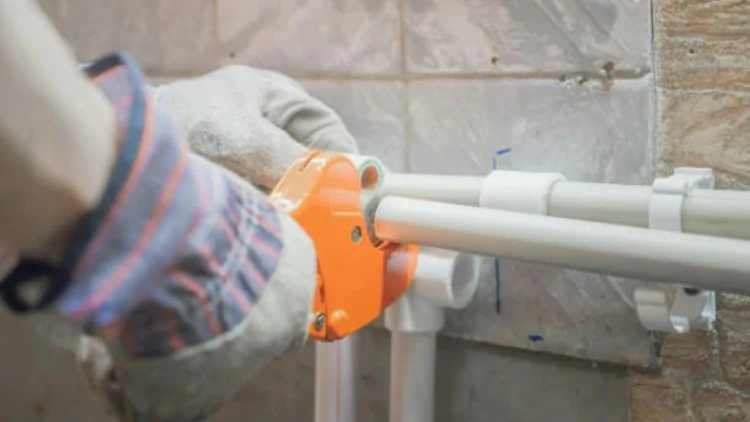
Tuyaux PPR

Comparing PPR Pipes with Other Piping Materials

1. Strength and Durability PPR Pipes: Exceptional Strength-to-Weight Ratio PPR pipes are renowned for their high strength-to-weight ratio, providing robustness and durability without adding unnecessary bulk. This characteristic makes them suitable for both above-ground and underground applications, where strength and longevity are essential for maintaining the integrity of the piping system. Traditional Metal Pipes: Susceptibility […]

Comparing PPR Pipes with Other Piping Materials En savoir plus "
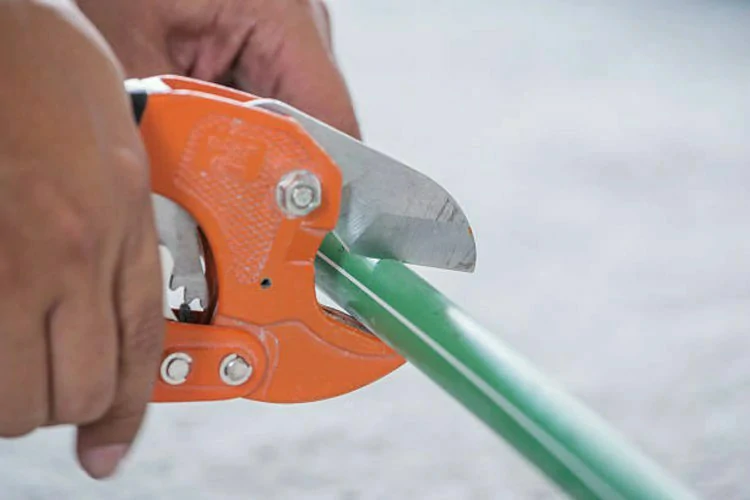
Entretien et dépannage des canalisations PPR : conseils essentiels

1. Maintenance Guidelines for PPR Pipes Regular Inspections Perform regular visual inspections of PPR pipes to check for signs of leaks, cracks, or damage. Look for any discoloration, warping, or bulging, which could indicate potential issues with the piping system. Early detection of problems allows for timely repairs and prevents costly damages. Cleaning Procedures Clean

Entretien et dépannage des canalisations PPR : conseils essentiels En savoir plus "

The Environmental Performance of PPR Pipes: A Sustainable Choice

1. Eco-Friendly Material Composition Non-Toxic Components PPR pipes are manufactured from high-quality polypropylene random copolymer (PPR) resin, which is non-toxic and free from harmful chemicals such as lead and cadmium. This eco-friendly material ensures that PPR pipes do not leach toxic substances into the water supply, making them safe for use in potable water systems.

The Environmental Performance of PPR Pipes: A Sustainable Choice En savoir plus "

Entretien et inspection des canalisations PPR

Introduction Maintenance and regular inspection are essential for ensuring the long-term performance and durability of PPR pipes in plumbing and piping systems. This article explores the importance of PPR pipe maintenance, highlighting key strategies and best practices for maintaining optimal performance over time. 1. Importance of PPR Pipe Maintenance a. Preserving Structural Integrity: Regular maintenance

Entretien et inspection des canalisations PPR En savoir plus "

Impact of PPR Pipe Production and Recycling on the Environment

Introduction PPR (Polypropylene Random Copolymer) pipes are widely used in various applications due to their durability, chemical resistance, and environmental sustainability. However, the production and disposal of PPR pipes can have both positive and negative impacts on the environment. This article explores the environmental implications of PPR pipe manufacturing and recycling, highlighting key considerations and

Impact of PPR Pipe Production and Recycling on the Environment En savoir plus "

Applications of PPR Pipes in Residential Plumbing Systems

PPR pipes, or polypropylene random copolymer pipe, are popular in residential plumbing for their excellent performance, durability, and easy installation. In this article, we’ll delve into their applications in residential plumbing. 1. Potable Water Distribution a. Safe and Clean Water Supply: PPR pipes are commonly used for transporting potable water in residential buildings. Their inert

Applications of PPR Pipes in Residential Plumbing Systems En savoir plus "

applications des tuyaux PPR dans les pipelines commerciaux et industriels avantages et inconvénients

PPR pipes, or polypropylene random copolymer pipe, are widely used in commercial and industrial pipeline systems for their excellent performance and durability. In this article, we’ll explore their applications in these settings, noting their pros and cons. 1. Advantages of P.P.R Pipes in Commercial and Industrial Applications a. Chemical Resistance: P.P.R pipe resist a broad

applications des tuyaux PPR dans les pipelines commerciaux et industriels avantages et inconvénients En savoir plus "

Chemical Resistance of PPR Pipes: Scope and Limitations

P.P.R pipes, renowned for their exceptional chemical resistance, find wide application in various scenarios where corrosion and chemical degradation resistance are crucial. In this article, we’ll explore the chemical resistance of PPR pipe, including their scope of applications and limitations. 1. Scope of Chemical Resistance in PPR Pipes a. Wide Range of Chemicals: PPR pipes

Chemical Resistance of PPR Pipes: Scope and Limitations En savoir plus "

Tuyau

Comparaison entre les tuyaux en CPVC et en PPR

Introduction Les tuyaux en CPVC et en PPR sont des matériaux couramment utilisés dans les systèmes de plomberie résidentiels et commerciaux. Ils se distinguent par leur résistance, leur facilité d'installation, leur résistance au chlore et aux bactéries. Les tuyaux en CPVC présentent une résistance supérieure au chlore, supportent des pressions nominales plus élevées et permettent une installation facile grâce au soudage par colle à solvant. En revanche, les tuyaux en PPR

Comparaison entre les tuyaux en CPVC et en PPR En savoir plus "

Choix de pipeline populaire : tuyaux PPR

Introduction Les tuyaux PPR, largement utilisés dans les systèmes d'eau chaude et froide, l'assainissement, le traitement de l'eau et l'industrie, sont des tubes en plastique de pointe reconnus pour leur durabilité et leur polyvalence. Ils offrent une résistance à l'usure, à la corrosion et aux produits chimiques, tout en étant conformes aux normes internationales. Grâce à leur installation rapide, leur résistance aux UV et leurs propriétés antibactériennes, les tuyaux PPR garantissent un approvisionnement en eau sûr et fiable.

Choix de pipeline populaire : tuyaux PPR En savoir plus "

Scroll to Top
Nous prenons en charge les échantillons gratuits, veuillez nous contacter dès que possible !

IFAN depuis 1993, propose des raccords PPR, PEX, PVC, HDPE, laiton, vannes en laiton, robinets en laiton, etc.