


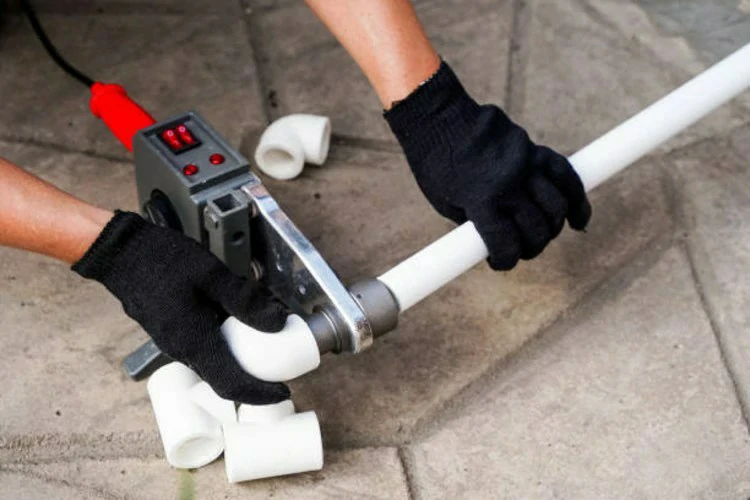
P.P.R pipes, renowned for their exceptional chemical resistance, find wide application in various scenarios where corrosion and chemical degradation resistance are crucial. In this article, we’ll explore the chemical resistance of PPR pipe, including their scope of applications and limitations.
1. Scope of Chemical Resistance in PPR Pipes
a. Wide Range of Chemicals: PPR pipes exhibit excellent resistance to a wide range of chemicals, including acids, alkalis, solvents, and organic compounds. This broad chemical resistance makes them suitable for use in diverse industrial applications, such as chemical processing plants, laboratories, and wastewater treatment facilities.
b. Compatibility with Potable Water: PPR pipes’ approval for potable water systems stems from their non-toxicity and resistance to chemical leaching. They find common use in residential and commercial plumbing installations, emphasizing water quality maintenance.
c. Resistance to Corrosive Environments: PPR pipes are highly resistant to corrosion caused by aggressive substances commonly found in industrial environments. They can withstand prolonged exposure to corrosive chemicals without degradation or loss of structural integrity, ensuring long-term reliability in corrosive applications.
2. Limitations of Chemical Resistance in PPR Pipes
a. Temperature Limitations: While PPR pipes offer excellent chemical resistance, their performance may be affected by extreme temperatures. High temperatures can soften or deform PPR pipe, compromising their chemical resistance and mechanical properties. It’s essential to adhere to the recommended temperature limits specified by manufacturers to prevent potential damage.
b. Compatibility Testing: Despite their general chemical resistance, compatibility testing is recommended when PPR pipe are used to transport specific chemicals or fluids. Certain chemicals may react with PPR materials over time, leading to deterioration or failure of the pipes. Conducting compatibility tests ensures that the pipes are suitable for the intended application and chemical environment.
c. Contrainte mécanique: To mitigate mechanical damage risks, use correct handling and installation methods for PPR pipes, particularly in harsh conditions prone to impact or bending forces. This preserves their chemical resistance properties.
Conclusion
PPR pipe excel in chemical resistance, preferred for corrosion and chemical degradation resistance. Despite broad compatibility and reliability, consider limitations like temperature restrictions and susceptibility to mechanical stress.Understanding PPR pipes’ chemical resistance helps businesses choose suitable piping materials for their specific needs.
Contact
IFANPLUS est une gamme de produits spécialisés lancée par IFAN, couvrant principalement les tubes en plastique, les raccords et divers types de vannes. Nous proposons des tubes en PPR et en PVC conformes aux normes allemandes et américaines, garantissant ainsi la qualité et la fiabilité de nos produits. La gamme de vannes IFANPLUS comprend une variété de vannes, des vannes en PPR aux vannes en cuivre, répondant à vos besoins spécifiques. Quel que soit le produit dont vous avez besoin, IFANPLUS sera votre partenaire de confiance. Voici nos coordonnées.
Nous répondrons à votre e-mail ou fax dans les 24 heures.
Vous pouvez nous appeler à tout moment si vous avez des questions sur notre production.
Pour plus d'informations, veuillez visiter notre site Web https://www.ifanplus.com/
Veuillez envoyer un mail à : [email protected]























