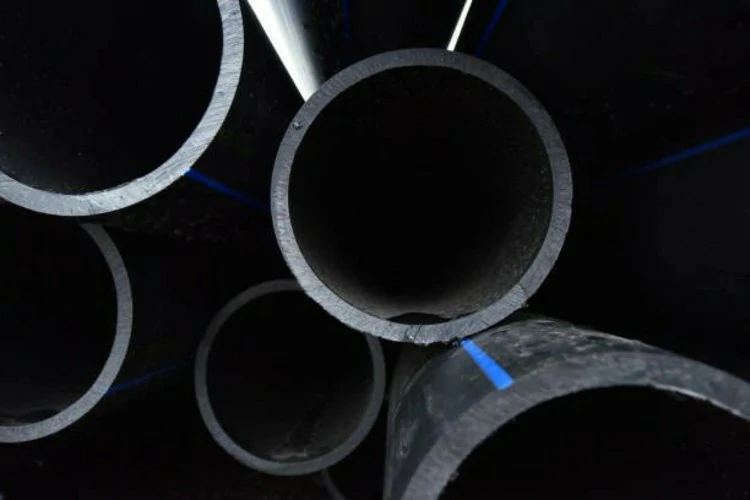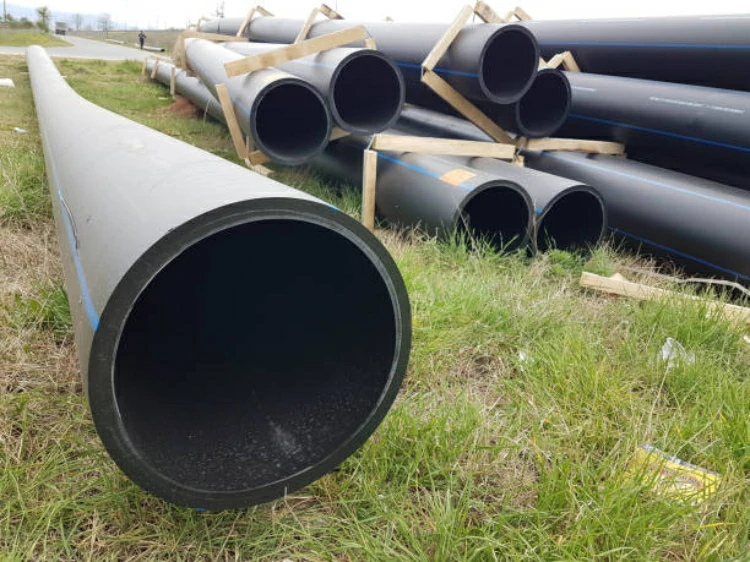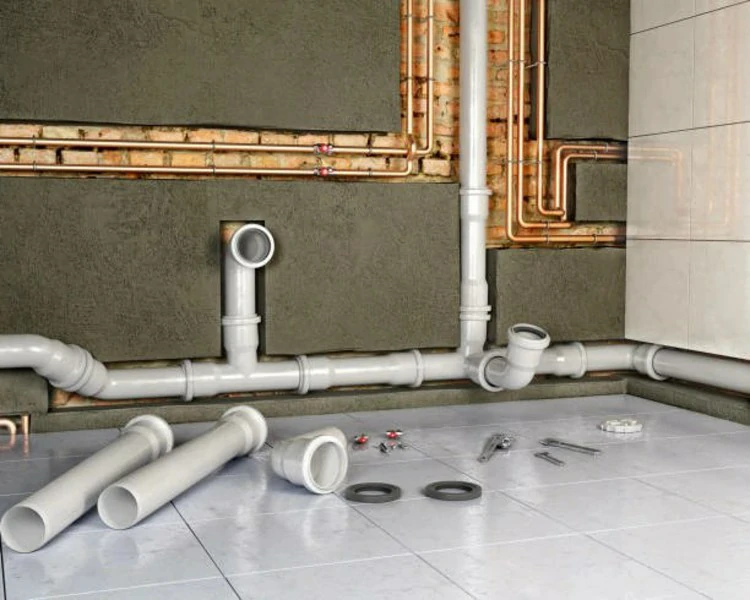
Pipeline PPR

Comparing PPR Tube with Other Pipe Materials

In the construction and plumbing industries, choosing the right pipe material is crucial for ensuring durability, efficiency, and cost-effectiveness. Among the various options available, PPR (Polypropylene Random Copolymer) tube stands out as a versatile and reliable choice. Let’s explore how PPR tube compares to other commonly used pipe materials like PVC and HDPE. 1. Material […]

Comparing PPR Tube with Other Pipe Materials En savoir plus "
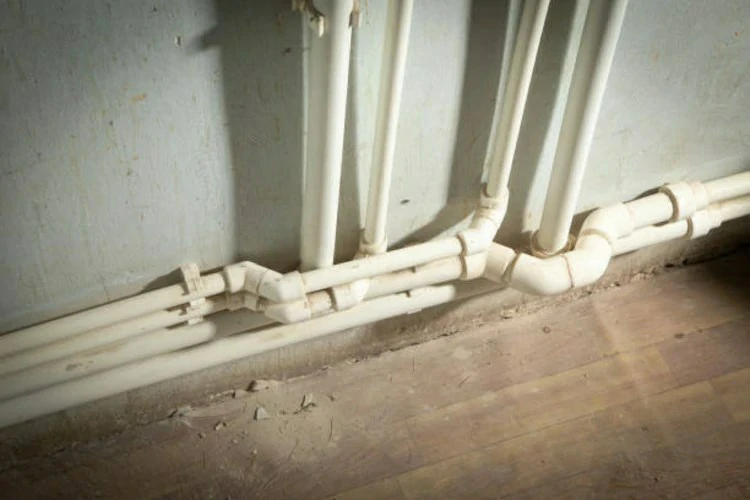
Maximizing the Lifespan and Maintenance of PPR Pipeline

1. Understanding the Lifespan of PPR Pipeline a. Durable Material Composition PPR pipeline is known for its longevity and durability, thanks to its composition of polypropylene random copolymer (PPR), a thermoplastic material renowned for its resilience and resistance to environmental factors. This material composition enables PPR pipes to withstand prolonged exposure to varying temperatures, pressure

Maximizing the Lifespan and Maintenance of PPR Pipeline En savoir plus "

Applications and Advantages of PPR Pipeline in Water Supply Systems

1. Versatile Applications of PPR Pipeline a. Residential Water Supply Systems PPR pipeline plays a crucial role in residential water supply systems, offering a reliable and efficient solution for conveying both hot and cold water. From supplying water to kitchen sinks and bathrooms to distributing water for laundry and gardening purposes, PPR pipes are widely

Applications and Advantages of PPR Pipeline in Water Supply Systems En savoir plus "

Installation Methods and Precautions for PPR Pipeline

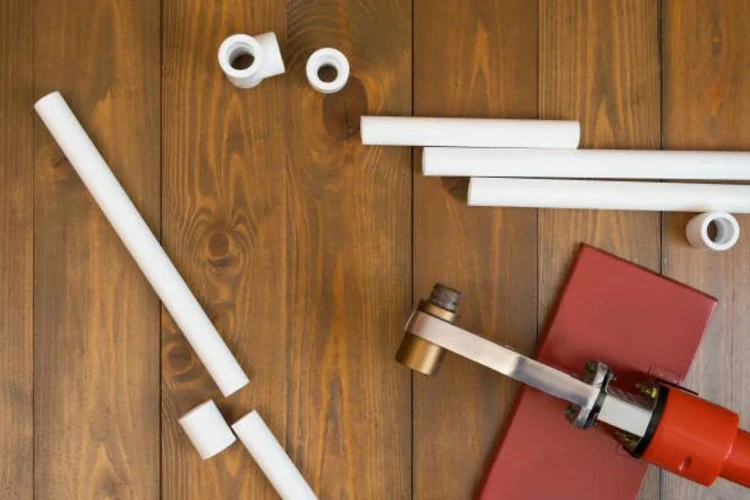
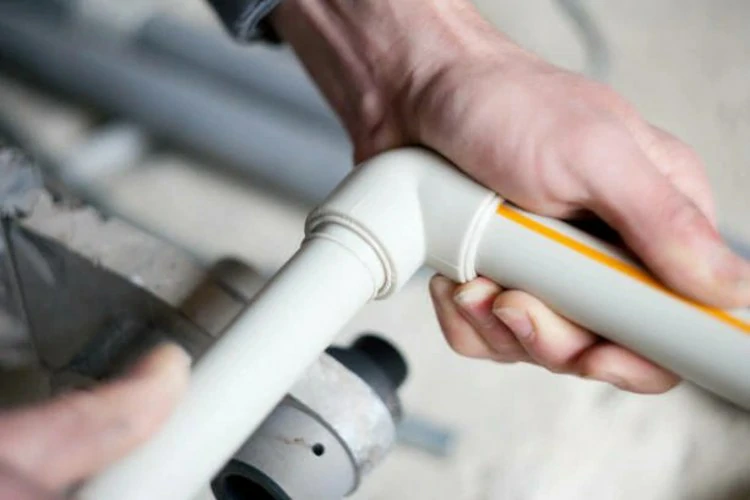
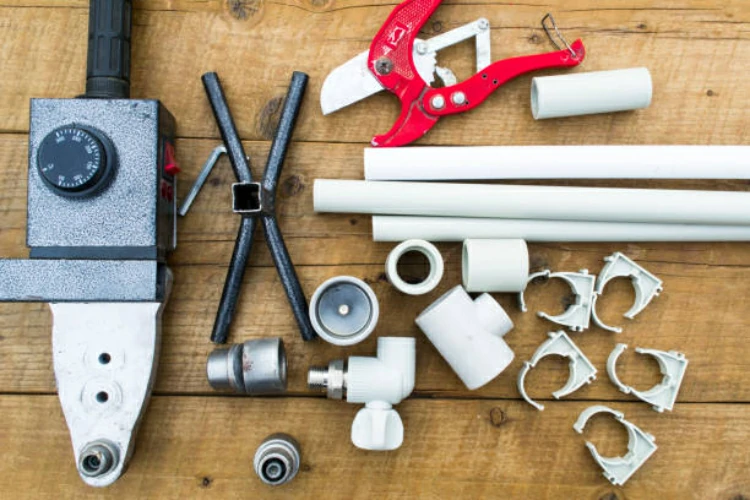
Installation Methods Heat Fusion Welding Heat fusion welding is the most common method used for joining PPR pipeline and fittings. This process involves heating the pipe and fitting to their melting temperature using a specialized welding machine, then pressing them together to form a permanent bond as they cool. Heat fusion welding ensures leak-proof joints

Installation Methods and Precautions for PPR Pipeline En savoir plus "

Applications and Characteristics of PPR Pipeline

Applications of PPR Pipeline Residential Plumbing Systems PPR pipeline finds extensive use in residential plumbing systems for conveying both hot and cold water. Its high resistance to corrosion, smooth inner surface, and ability to withstand high temperatures make it an ideal choice for ensuring safe and reliable water supply in households. PPR pipes are commonly

Applications and Characteristics of PPR Pipeline En savoir plus "

Types de tuyaux PPR et spécifications

Classification of PPR Pipes Based on Pressure Rating PPR pipes are classified based on their pressure rating, which determines their suitability for different applications. Common pressure ratings include PN10, PN16, PN20, and PN25, indicating the maximum allowable working pressure in megapascals (MPa). PN10 pipes are typically used for low-pressure applications such as residential plumbing, while

Types de tuyaux PPR et spécifications En savoir plus "

Advantages of PPR Pipeline Compared to Traditional Piping Materials

Superior Durability Resilience to Corrosion PPR pipeline offers superior durability compared to traditional piping materials such as metal and PVC. Unlike metal pipes, which are susceptible to corrosion over time, PPR pipes are highly resistant to corrosion, ensuring long-term reliability in various applications. This corrosion resistance minimizes the risk of leaks and pipe failures, leading

Advantages of PPR Pipeline Compared to Traditional Piping Materials En savoir plus "

Analyse comparative des tuyaux en PPR et d'autres matériaux

Introduction Dans le domaine des matériaux de tuyauterie pour les systèmes de plomberie, le choix du bon matériau est crucial pour garantir longévité, efficacité et rentabilité. Les tuyaux en PPR (polypropylène copolymère aléatoire) et en PVC (polychlorure de vinyle) sont deux choix courants, chacun présentant des caractéristiques distinctes. Comprendre les différences entre les tuyaux en PPR et les autres matériaux est essentiel pour prendre des décisions éclairées.

Analyse comparative des tuyaux en PPR et d'autres matériaux En savoir plus "

Résistance à la chaleur des tubes PPR et leurs applications dans les environnements à haute température

Comprendre la résistance thermique des tubes PPR. Les tubes PPR (polypropylène copolymère aléatoire) présentent une résistance thermique exceptionnelle, ce qui les rend adaptés aux environnements à haute température. Explorons plus en détail les propriétés de résistance thermique des tubes PPR et leurs applications dans divers secteurs. Composition du matériau : Les tubes PPR sont fabriqués à partir de copolymère aléatoire de polypropylène, un type de polymère thermoplastique connu pour

Résistance à la chaleur des tubes PPR et leurs applications dans les environnements à haute température En savoir plus "

Comparing PPR Pipes with Other Pipe Materials

Introduction to PPR Pipes PPR (Polypropylene Random Copolymer) pipes are a popular choice for plumbing and piping systems due to their excellent properties and performance characteristics. However, it’s essential to understand how PPR pipes compare with other pipe materials like PVC and HDPE to make informed decisions for various applications. PPR Pipes Overview PPR pipes

Comparing PPR Pipes with Other Pipe Materials En savoir plus "
Scroll to Top
Nous prenons en charge les échantillons gratuits, veuillez nous contacter dès que possible !

IFAN depuis 1993, propose des raccords PPR, PEX, PVC, HDPE, laiton, vannes en laiton, robinets en laiton, etc.