


Méthodes d'installation
Heat Fusion Welding
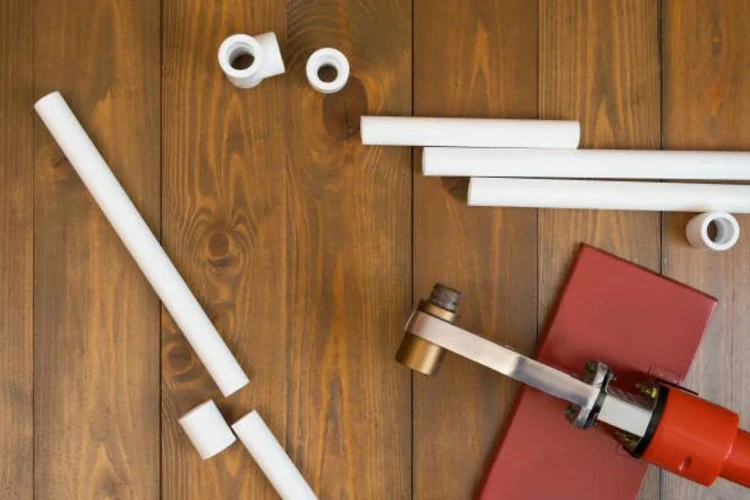
Heat fusion welding is the most common method used for joining PPR pipeline and fittings. This process involves heating the pipe and fitting to their melting temperature using a specialized welding machine, then pressing them together to form a permanent bond as they cool. Heat fusion welding ensures leak-proof joints and is suitable for both aboveground and underground installations.
Mechanical Jointing
Mechanical jointing methods, such as compression fittings and threaded connections, offer a convenient alternative to heat fusion welding for PPR pipeline installations. Compression fittings utilize a compression ring and nut to secure the pipe onto the fitting, providing a tight seal without the need for heat. Threaded connections involve screwing threaded fittings onto the pipe ends, offering flexibility and ease of disassembly for maintenance purposes.
Soudage par électrofusion
Electrofusion welding is another method commonly used for joining PPR pipes, especially in larger diameter pipes or specialized applications. This technique involves using an electrofusion machine to generate heat and melt the pipe and fitting surfaces, creating a fusion bond between them. Electrofusion welding ensures strong, homogeneous joints and is particularly suitable for high-pressure and high-temperature applications.
Precautions for PPR Pipeline Installation
Proper Pipe Handling
Handle and transport PPR pipes carefully to avoid damage. Store them in a clean, dry area away from direct sunlight to maintain integrity and prevent material degradation.
Correct Pipe Alignment
Proper alignment of PPR pipes is essential to ensure leak-free joints and optimal flow performance. Carefully align pipes before joining, using tools or markers for straightness. Correct any misalignment to prevent stress buildup and potential failure.
Adequate Support and Anchoring
Support PPR pipes to prevent sagging and stress. Use clamps, brackets, or hangers at intervals per manufacturer and code. Anchor at direction changes to minimize stress.
Thorough Inspection and Testing
Before commissioning the PPR pipeline, thorough inspection and testing should be conducted to verify the integrity of the installation and ensure compliance with quality standards. Visual inspection should check for proper joint alignment, secure anchoring, and absence of visible defects or damage. Water or air pressure tests are essential to detect system leaks or weaknesses. Maintaining pressure for a specified duration ensures installation integrity.
Contact
IFAN Fort de 30 ans d'expérience, nous sommes un fabricant professionnel de tuyaux, raccords et vannes en plastique de haute qualité. Nos produits comprennent des vannes en laiton, des vannes en PPR, ainsi que divers tuyaux et raccords pour répondre aux différents besoins de nos clients. Que vous ayez besoin de tuyaux de plomberie et d'évacuation ou de vannes, IFAN Nous proposons une gamme diversifiée de produits de haute qualité et économiques pour soutenir vos projets. Vous trouverez ci-dessous nos coordonnées.
Nous répondrons à votre e-mail ou fax dans les 24 heures.
Vous pouvez nous appeler à tout moment si vous avez des questions sur notre production.
Pour plus d'informations, veuillez visiter notre site Web https://www.ifanplus.com/
Veuillez envoyer un mail à : [email protected]























