


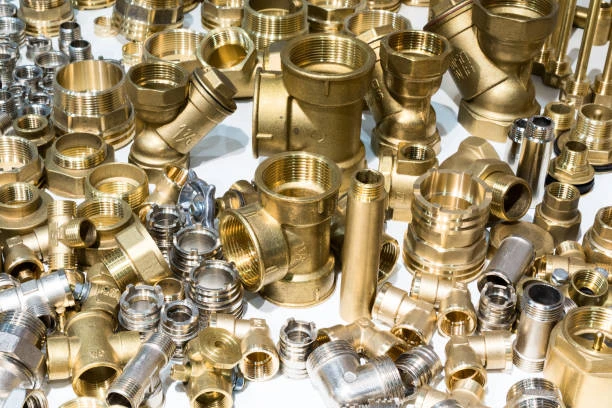
Raccords à compression en laiton offer a reliable and leak-free solution for connecting pipes and tubing in plumbing, gas, and HVAC systems. Their strong mechanical seal, corrosion resistance, and ease of installation make them a preferred choice for professionals and homeowners alike. This article will explore everything you need to know about them, including their definition, uses, selection tips, installation practices, and comparison with other types of fittings.
Foire aux questions (FAQ)
1. À quoi servent les raccords à compression en laiton ?
Brass compression fittings are used to connect copper, PEX, or plastic pipes in plumbing, gas distribution, and HVAC systems.
2. Do brass compression fittings leak easily?
No. When installed properly, these fittings provide a tight, durable seal that prevents leaks under normal pressure and temperature conditions.
3. Can I use brass compression fittings on plastic pipes?
Yes. You can use them with plastic pipes, but it’s important to use an insert or sleeve to support the pipe.
4. Are they suitable for high-pressure systems?
Yes. Brass compression fittings are designed to handle moderate to high pressures, depending on the pipe type and fitting design.
5. Do I need special tools to install them?
No special tools are required. You only need basic wrenches to tighten the fittings securely.
What Are Brass Compression Fittings and Their Key Characteristics?
Brass compression fittings are mechanical connectors designed to join pipes or tubes without the need for soldering, gluing, or welding. They consist of three main parts: the body, the compression ring (ferrule), and the compression nut.
When you slide the nut and ring onto the pipe and tighten them against the body, the ring compresses around the pipe, creating a watertight seal. This mechanical sealing process allows for quick and easy installation in tight spaces.
Caractéristiques principales :
- Matériel: Made of brass, known for corrosion resistance and long service life.
- Structure: Includes a compression nut, a brass body, and a ferrule that fits around the pipe.
- Pression nominale: Suitable for a wide range of pressures, making them versatile for both domestic and industrial use.
- Résistance à la température: Handles both hot and cold water systems without losing integrity.
- No Flame or Glue: Ideal for situations where heat or adhesive use is restricted.
These features make brass compression fittings an excellent choice for reliable pipe connections in a wide range of systems.
Applications et industries courantes
Because of their performance, they are used across many industries and systems. Let’s look at where they are commonly applied:
Systèmes de plomberie
They are widely used to connect copper or plastic pipes in residential and commercial water supply systems. Whether it’s under a kitchen sink or behind a bathroom wall, these fittings offer easy access for repairs.
Gas Lines
In some countries, brass compression fittings are allowed for gas distribution lines, such as those carrying natural gas or propane. Always check local codes before installation.
Systèmes CVC
Heating and cooling systems often rely on brass fittings to connect refrigerant lines, hot water loops, and chilled water supply pipes.
Systèmes d'irrigation
Outdoor and agricultural systems use these fittings for their durability and resistance to corrosion, even in soil or high-humidity environments.
Machines industrielles
Factories and workshops use brass compression fittings in compressed air systems, chemical transport lines, and automated machines, thanks to their reliable sealing.
These fittings meet the needs of professionals who require dependable, leak-proof connections without long installation times.
Buying Guide: How to Choose the Right Brass Compression Fittings
Selecting the right brass compression fittings can greatly affect the performance and safety of your system. Here’s what you should pay attention to when making a purchase:
1. Pipe Compatibility
Make sure the fitting size matches your pipe. Compression fittings come in various diameters and thread types. They must match your pipe material, whether it’s copper, PEX, or plastic.
2. Certification
Look for fittings that meet recognized standards, such as ASTM, ISO, CSA, or NSF, especially if you’re installing them in potable water or gas systems. Certified products ensure better safety and quality.
3. Material Grade
Ensure that the brass is lead-free or compliant with local drinking water regulations. Some applications require dezincification-resistant (DZR) brass for better corrosion resistance.
4. Color and Finish
While not crucial for function, the color and finish might matter for visible installations. Some fittings have a polished or nickel-plated surface for better corrosion resistance or aesthetics.
5. Pressure and Temperature Rating
Always check that the fitting’s pressure and temperature limits match the application’s requirements. Underrated fittings could lead to system failure.
6. Manufacturer Reputation
Choose products from known and reliable manufacturers. Established brands usually provide better consistency, support, and warranty services.
By following these tips, you can ensure that the fittings you buy will deliver safe and long-lasting performance.
Installation Tips: How to Achieve a Leak-Free Connection
Installing brass compression fittings requires care and attention, but no special tools. Follow these simple steps to ensure a proper seal:
Step 1: Cut the Pipe Cleanly
Use a pipe cutter to create a clean, square cut. Avoid using saws, which may leave burrs or uneven surfaces.
Step 2: Slide on the Nut and Ring
Insert the compression nut onto the pipe, followed by the compression ring (ferrule). Make sure they are facing the correct direction.
Step 3: Insert the Pipe into the Fitting Body
Push the pipe into the fitting until it reaches the internal stop. This ensures full engagement and sealing.
Step 4: Tighten the Nut
Start by hand-tightening the nut. Then use two wrenches—one to hold the body and one to tighten the nut. Turn it about one full rotation beyond hand tight.
Step 5: Check for Leaks
Once installed, pressurize the system and observe for leaks. If necessary, slightly tighten the nut. Avoid overtightening, which may crack the ferrule or fitting.
With proper installation, these fittings provide a long-lasting, secure connection that rarely requires maintenance.
Brass Compression Fittings vs. Other Pipe Connection Methods
It’s helpful to compare brass compression fittings with other types of fittings to understand their strengths. Below is a text-based comparison of commonly used connection types:
Raccords à compression en laiton vs. raccords en cuivre soudés
Compression fittings are easier and faster to install because they require no heat. Soldered fittings offer a permanent connection but need more tools and skills.
Raccords à compression en laiton vs. raccords à emboîtement
Push-fit fittings are the fastest to install, with no tools required. However, they are generally more expensive and may not offer the same mechanical strength as compression fittings.
Raccords à compression en laiton vs. raccords filetés
Threaded fittings work well for metal-to-metal connections but require sealing tape or paste. Compression fittings offer a cleaner, tool-free seal without extra materials.
Raccords à compression en laiton vs. raccords en PVC collés
PVC fittings use solvent cement for a strong bond. However, they are limited to certain materials and not suitable for high temperatures. Brass compression fittings offer more versatility and can be disassembled.
In summary, brass compression fittings balance ease of installation, strength, and reusability better than most alternatives.
Conclusion
Brass compression fittings are a smart and dependable choice for pipe connections across various systems. They offer leak-free performance, simple installation, and long-term durability. Unlike glued or soldered fittings, they can be installed with basic tools and removed without damaging the pipe.
These fittings work well in plumbing, gas, HVAC, and even industrial applications. When you select the right fitting based on material quality, certifications, and compatibility, you can count on a secure, maintenance-free connection.
Whether you are a DIY homeowner or a professional contractor, brass compression fittings can make your work faster, easier, and more reliable.
Contactez l'IFAN pour les catalogues et les échantillons
Besoin de documents techniques, de catalogues ou d'échantillons ? Contactez l'IFAN dès aujourd'hui.
📧 Courriel : [email protected]
📱 Whatsapp : +86 19857948982
Notre équipe répond rapidement et fournit un soutien professionnel pour tous vos besoins en matière de pipeline.
Norme internationale IFAN
Les systèmes de tuyauterie IFAN sont conformes à un large éventail de normes internationales pour garantir une qualité et des performances élevées. Parmi celles-ci figurent les normes ASTM F1974 et ASTM F1281 pour les systèmes de tuyauterie multicouche, la norme CSA B137 pour les applications de plomberie canadiennes, la norme DIN 16836 pour les spécifications techniques allemandes, la norme GB18997 pour les normes chinoises et la norme ISO 21003, qui couvre les systèmes de tuyauterie multicouche utilisés pour les installations d'eau chaude et froide. Ce large champ de certification souligne l'engagement de l'IFAN en matière de conformité mondiale et de fiabilité des produits.























