


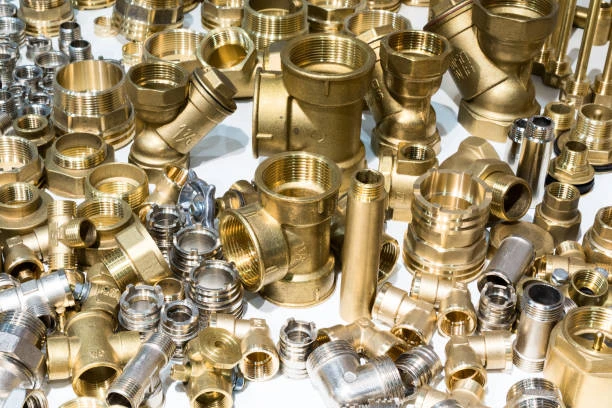
Accesorios de compresión de latón offer a reliable and leak-free solution for connecting pipes and tubing in plumbing, gas, and HVAC systems. Their strong mechanical seal, corrosion resistance, and ease of installation make them a preferred choice for professionals and homeowners alike. This article will explore everything you need to know about them, including their definition, uses, selection tips, installation practices, and comparison with other types of fittings.
Preguntas frecuentes (FAQ)
1. What are brass compression fittings used for?
Brass compression fittings are used to connect copper, PEX, or plastic pipes in plumbing, gas distribution, and HVAC systems.
2. Do brass compression fittings leak easily?
No. When installed properly, these fittings provide a tight, durable seal that prevents leaks under normal pressure and temperature conditions.
3. Can I use brass compression fittings on plastic pipes?
Yes. You can use them with plastic pipes, but it’s important to use an insert or sleeve to support the pipe.
4. ¿Son adecuados para sistemas de alta presión?
Yes. Brass compression fittings are designed to handle moderate to high pressures, depending on the pipe type and fitting design.
5. Do I need special tools to install them?
No special tools are required. You only need basic wrenches to tighten the fittings securely.
What Are Brass Compression Fittings and Their Key Characteristics?
Brass compression fittings are mechanical connectors designed to join pipes or tubes without the need for soldering, gluing, or welding. They consist of three main parts: the body, the compression ring (ferrule), and the compression nut.
When you slide the nut and ring onto the pipe and tighten them against the body, the ring compresses around the pipe, creating a watertight seal. This mechanical sealing process allows for quick and easy installation in tight spaces.
Características principales:
- Material: Made of brass, known for corrosion resistance and long service life.
- Structure: Includes a compression nut, a brass body, and a ferrule that fits around the pipe.
- Clasificación de presión: Suitable for a wide range of pressures, making them versatile for both domestic and industrial use.
- Resistencia a la temperatura: Handles both hot and cold water systems without losing integrity.
- No Flame or Glue: Ideal for situations where heat or adhesive use is restricted.
These features make brass compression fittings an excellent choice for reliable pipe connections in a wide range of systems.
Aplicaciones e industrias comunes
Because of their performance, they are used across many industries and systems. Let’s look at where they are commonly applied:
Sistemas de plomería
They are widely used to connect copper or plastic pipes in residential and commercial water supply systems. Whether it’s under a kitchen sink or behind a bathroom wall, these fittings offer easy access for repairs.
Líneas de gas
In some countries, brass compression fittings are allowed for gas distribution lines, such as those carrying natural gas or propane. Always check local codes before installation.
Sistemas HVAC
Heating and cooling systems often rely on brass fittings to connect refrigerant lines, hot water loops, and chilled water supply pipes.
Sistemas de riego
Outdoor and agricultural systems use these fittings for their durability and resistance to corrosion, even in soil or high-humidity environments.
Maquinaria industrial
Factories and workshops use brass compression fittings in compressed air systems, chemical transport lines, and automated machines, thanks to their reliable sealing.
These fittings meet the needs of professionals who require dependable, leak-proof connections without long installation times.
Guía de compra: Cómo elegir los accesorios de compresión de latón adecuados
Selecting the right brass compression fittings can greatly affect the performance and safety of your system. Here’s what you should pay attention to when making a purchase:
1. Pipe Compatibility
Make sure the fitting size matches your pipe. Compression fittings come in various diameters and thread types. They must match your pipe material, whether it’s copper, PEX, or plastic.
2. Certification
Look for fittings that meet recognized standards, such as ASTM, ISO, CSA, or NSF, especially if you’re installing them in potable water or gas systems. Certified products ensure better safety and quality.
3. Material Grade
Ensure that the brass is lead-free or compliant with local drinking water regulations. Some applications require dezincification-resistant (DZR) brass for better corrosion resistance.
4. Color and Finish
While not crucial for function, the color and finish might matter for visible installations. Some fittings have a polished or nickel-plated surface for better corrosion resistance or aesthetics.
5. Pressure and Temperature Rating
Always check that the fitting’s pressure and temperature limits match the application’s requirements. Underrated fittings could lead to system failure.
6. Manufacturer Reputation
Choose products from known and reliable manufacturers. Established brands usually provide better consistency, support, and warranty services.
By following these tips, you can ensure that the fittings you buy will deliver safe and long-lasting performance.
Installation Tips: How to Achieve a Leak-Free Connection
Installing brass compression fittings requires care and attention, but no special tools. Follow these simple steps to ensure a proper seal:
Step 1: Cut the Pipe Cleanly
Use a pipe cutter to create a clean, square cut. Avoid using saws, which may leave burrs or uneven surfaces.
Step 2: Slide on the Nut and Ring
Insert the compression nut onto the pipe, followed by the compression ring (ferrule). Make sure they are facing the correct direction.
Paso 3: Inserte el tubo en el cuerpo del conector
Push the pipe into the fitting until it reaches the internal stop. This ensures full engagement and sealing.
Paso 4: Apriete la tuerca
Start by hand-tightening the nut. Then use two wrenches—one to hold the body and one to tighten the nut. Turn it about one full rotation beyond hand tight.
Step 5: Check for Leaks
Once installed, pressurize the system and observe for leaks. If necessary, slightly tighten the nut. Avoid overtightening, which may crack the ferrule or fitting.
With proper installation, these fittings provide a long-lasting, secure connection that rarely requires maintenance.
Brass Compression Fittings vs. Other Pipe Connection Methods
It’s helpful to compare brass compression fittings with other types of fittings to understand their strengths. Below is a text-based comparison of commonly used connection types:
Accesorios de compresión de latón vs. accesorios de cobre soldados
Compression fittings are easier and faster to install because they require no heat. Soldered fittings offer a permanent connection but need more tools and skills.
Racores de compresión de latón vs. racores de ajuste a presión
Push-fit fittings are the fastest to install, with no tools required. However, they are generally more expensive and may not offer the same mechanical strength as compression fittings.
Brass Compression Fittings vs. Threaded Fittings
Threaded fittings work well for metal-to-metal connections but require sealing tape or paste. Compression fittings offer a cleaner, tool-free seal without extra materials.
Accesorios de compresión de latón vs. accesorios de PVC pegados
PVC fittings use solvent cement for a strong bond. However, they are limited to certain materials and not suitable for high temperatures. Brass compression fittings offer more versatility and can be disassembled.
In summary, brass compression fittings balance ease of installation, strength, and reusability better than most alternatives.
Conclusión
Brass compression fittings are a smart and dependable choice for pipe connections across various systems. They offer leak-free performance, simple installation, and long-term durability. Unlike glued or soldered fittings, they can be installed with basic tools and removed without damaging the pipe.
These fittings work well in plumbing, gas, HVAC, and even industrial applications. When you select the right fitting based on material quality, certifications, and compatibility, you can count on a secure, maintenance-free connection.
Whether you are a DIY homeowner or a professional contractor, brass compression fittings can make your work faster, easier, and more reliable.
Contacte con IFAN para catálogos y muestras
¿Necesita documentos técnicos, catálogos o muestras de productos? Contacte con IFAN hoy mismo.
📧 Correo electrónico: [email protected]
📱Whatsapp: +86 19857948982
Nuestro equipo responde rápidamente y brinda soporte profesional para todas sus necesidades de tuberías.
Norma internacional IFAN
Los sistemas de tuberías IFAN cumplen con una amplia gama de normas internacionales para garantizar una alta calidad y rendimiento. Entre ellas, se incluyen las normas ASTM F1974 y ASTM F1281 para sistemas de tuberías multicapa, CSA B137 para aplicaciones de plomería canadienses, DIN 16836 para especificaciones técnicas alemanas, GB18997 para normas chinas e ISO 21003, que abarca los sistemas de tuberías multicapa utilizados en instalaciones de agua caliente y fría. Este amplio alcance de certificación pone de manifiesto el compromiso de IFAN con el cumplimiento normativo global y la fiabilidad de sus productos.























