


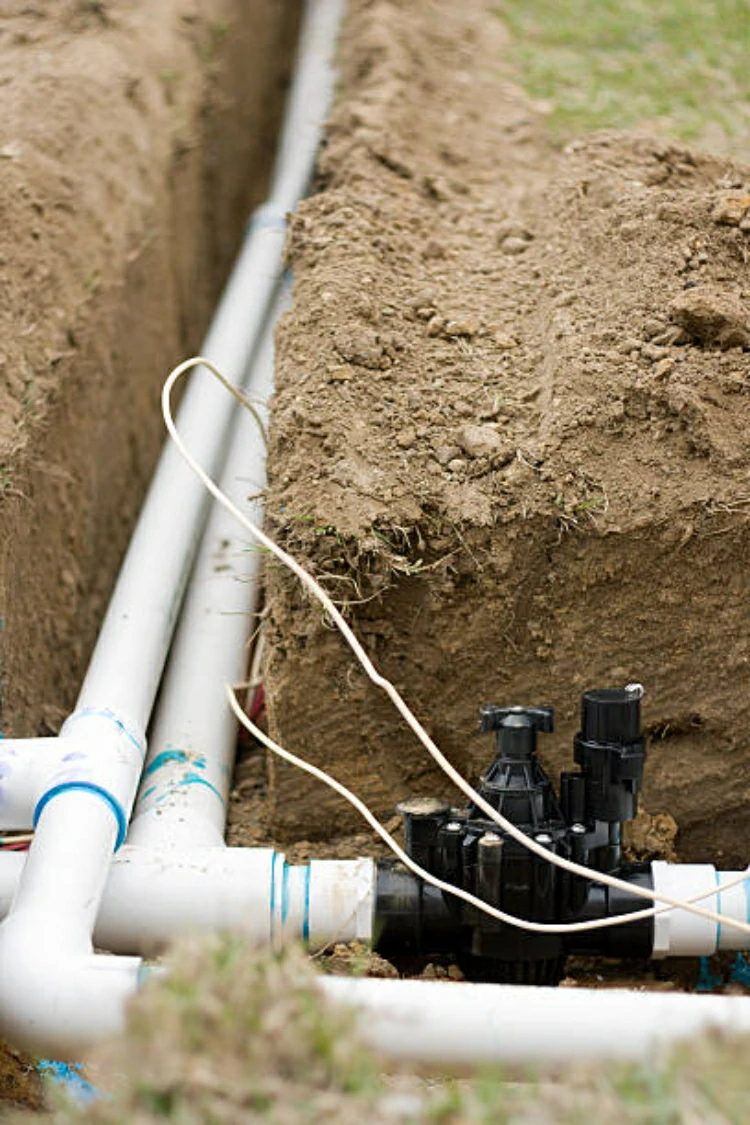
Plumbers widely use PPR pipes, also known as polypropylene random copolymer pipes, due to their excellent performance and durability in plumbing and piping systems. In this article, we’ll delve into the materials used in PPR pipe and the manufacturing process involved.
1. Composition of PPR Pipes Materials
PPR pipe are composed of a type of thermoplastic known as polypropylene random copolymer (PPR). This material is a versatile and durable polymer that offers excellent chemical resistance, high temperature resistance, and mechanical strength. PPR pipe may also contain additives such as stabilizers, antioxidants, and pigments to enhance their properties and performance.
2. Manufacturing Process of PPR Pipes
a. Polymerization: The manufacturing process begins with the polymerization of propylene monomer and a small amount of ethylene monomer to produce the PPR resin. This polymerization process typically occurs in a reactor under controlled temperature and pressure conditions.
b. Extrusion: After production of PPR resin, manufacturers extrude it into pipes using a process called extrusion. They melt the PPR resin and force it through a die to shape the pipe. Subsequently, they cool and cut the extruded pipes to the desired length.
c. Quality Control: Throughout the manufacturing process, quality control measures are implemented to ensure that the PPR pipes meet industry standards and specifications. This includes monitoring the dimensions, wall thickness, and overall quality of the pipes.
d. Testing: After production, PPR pipe undergo various tests to ensure their quality and performance. This may include tests for pressure resistance, temperature resistance, chemical resistance, and overall durability.
3. Advantages of PPR Pipes Materials and Manufacturing
a. Excellent Properties: PPR pipes offer excellent chemical resistance, high temperature resistance, and mechanical strength, making them suitable for a wide range of applications.
b. Durability: The manufacturing process of PPR pipe ensures uniformity and consistency in their properties, resulting in durable and long-lasting pipes.
c. Versatility: PPR pipe can be manufactured in various sizes and dimensions to meet the specific requirements of different plumbing and piping systems.
Conclusion
Understanding the materials used in PPR pipe and the manufacturing process involved is crucial for ensuring the quality and performance of these pipes in plumbing and piping applications. With their excellent properties and durability, PPR pipe continue to be a preferred choice for various residential, commercial, and industrial projects.
Contact
IFANPLUS est une gamme de produits spécialisés lancée par IFAN, couvrant principalement les tubes en plastique, les raccords et divers types de vannes. Nous proposons des tubes en PPR et en PVC conformes aux normes allemandes et américaines, garantissant ainsi la qualité et la fiabilité de nos produits. La gamme de vannes IFANPLUS comprend une variété de vannes, des vannes en PPR aux vannes en cuivre, répondant à vos besoins spécifiques. Quel que soit le produit dont vous avez besoin, IFANPLUS sera votre partenaire de confiance. Voici nos coordonnées.
Nous répondrons à votre e-mail ou fax dans les 24 heures.
Vous pouvez nous appeler à tout moment si vous avez des questions sur notre production.
Pour plus d'informations, veuillez visiter notre site Web https://www.ifanplus.com/
Veuillez envoyer un mail à : [email protected]























