


IFAN ASTM D2665 PVC Wafer Check Valve
Size:DN50-DN400 or 2″-16″
Standards:BS 3505/ASTM D2665
Place of origin: China
The standards we can provide include
ASTM D2241、ASTM D2665、ASTM D2729、ASTM F441/F441M、ISO 1452 Series standards、EN ISO 1452、DIN 8061/8062、GB/T 10002 Series standards、AS/NZS 1477、JIS K6741、CSA B137.3、NSF/ANSI 14,TIS 17-2532/1131-2535, etc.
PVC Wafer Check Valve Usage Tips
A PVC wafer check valve is a vital component in plumbing and industrial systems, designed to prevent backflow while offering a lightweight, cost-effective solution. Its compact design and durability make it ideal for various applications, from residential plumbing to industrial fluid management. In this article, we explore the key features of PVC wafer check valves, answer common questions, discuss their applications, provide a buying guide, detail installation tips, and compare different material options. Learn how to select and use a PVC wafer check valve to enhance your system’s efficiency and reliability.
FAQ: Common Questions About PVC Wafer Check Valves
1. What is the main function of a PVC wafer check valve?
A PVC wafer check valve allows fluid to flow in one direction while preventing backflow, protecting pipes and equipment from damage.
2. How long does a PVC wafer check valve last?
With proper installation and maintenance, a high-quality PVC wafer check valve can last 5-10 years, even in corrosive environments.
3. Is a PVC wafer check valve easy to install?
Yes, its lightweight design and compact shape make installation quick and simple, requiring only basic tools and proper alignment.
4. Can a PVC wafer check valve handle high-pressure systems?
PVC wafer check valves work well in low to moderate pressure systems, but you should check the valve’s pressure rating for compatibility.
5. Are PVC wafer check valves suitable for drinking water systems?
Yes, if certified with standards like WRAS or NSF, they are safe for potable water, ensuring no contamination.
Definition and Features of PVC Wafer Check Valves
A PVC wafer check valve is a compact, disc-shaped valve placed between two flanges in a pipeline to ensure unidirectional fluid flow. It prevents backflow by automatically closing when the flow reverses, protecting systems from damage. Its lightweight and corrosion-resistant properties make it a popular choice for various applications. Key features include:
-
Unidirectional flow control: Allows fluid to flow in one direction while blocking reverse flow to protect equipment.
-
Lightweight PVC construction: Made from durable polyvinyl chloride, resistant to corrosion and chemical degradation.
-
Compact wafer design: Fits between flanges, saving space and simplifying installation in tight setups.
-
Low maintenance: Smooth surfaces resist buildup, reducing the need for frequent cleaning.
-
Standard compatibility: Available in sizes like 2 to 8 inches, fitting most standard piping systems.
These features make PVC wafer check valves an efficient and practical solution for fluid control.
Common Uses and Industry Applications
PVC wafer check valves are versatile and widely used across industries due to their affordability and resistance to corrosion. Common applications include:
-
Residential plumbing: Prevents backflow in home water systems, protecting appliances like water heaters.
-
Water treatment plants: Ensures clean water flow in filtration and purification systems, preventing contamination.
-
Irrigation systems: Maintains water flow direction in agricultural setups, protecting pumps and pipes.
-
Chemical processing: Handles corrosive fluids in low-pressure systems, thanks to PVC’s chemical resistance.
-
Aquariums and pools: Controls water flow in aquatic systems, resisting chlorine and saltwater corrosion.
Their adaptability makes them essential in systems requiring reliable backflow prevention.
Buying Guide for PVC Wafer Check Valves
Selecting the right PVC wafer check valve involves evaluating key factors to ensure compatibility and performance. Here’s a practical guide:
-
Material quality: Choose high-grade PVC for durability and resistance to corrosion, especially in chemical or water applications.
-
Size: Select a valve size (e.g., 2, 4, or 6 inches) that matches your pipeline’s diameter for a secure fit.
-
Pressure rating: Ensure the valve’s pressure rating (typically 150-200 PSI) suits your system’s requirements.
-
Certifications: Look for certifications like WRAS, NSF, or CE to confirm safety for potable water or specific industries.
-
Color and finish: Most PVC valves are white or gray, but choose a finish that blends with your system for aesthetic consistency.
-
Maintenance needs: Opt for valves with smooth surfaces to minimize buildup and simplify cleaning.
Consider these factors to find a PVC wafer check valve that meets your system’s needs.
Installation Tips and Precautions
Installing a PVC wafer check valve is straightforward, but proper steps ensure a leak-free and efficient setup. Follow these guidelines:
-
Turn off the system: Shut off the water or fluid supply to avoid spills or pressure issues during installation.
-
Prepare the pipeline: Clean the flange surfaces and ensure they are free of debris or damage for a tight seal.
-
Check the valve: Verify that the valve’s disc moves freely and that gaskets or seals are included and intact.
-
Position the valve: Place the valve between the flanges, ensuring the flow direction arrow matches the pipeline’s flow.
-
Secure the flanges: Tighten flange bolts evenly in a crisscross pattern to avoid uneven pressure or leaks.
-
Test the system: Turn on the fluid supply and check for leaks or improper flow, adjusting as needed.
Use appropriate gaskets to ensure a tight seal, and avoid over-tightening bolts to prevent damage to the PVC material.
Comparison of Valve Materials
|
Material |
Advantages |
Disadvantages |
Durability |
Cost |
|---|---|---|---|---|
|
PVC |
Lightweight, corrosion-resistant, affordable, easy to install |
Limited to low/moderate pressure, less durable under high heat |
5-10 years |
Medium |
|
Brass |
High corrosion resistance, durable, suitable for high-pressure systems |
More expensive, heavier than PVC |
10-20 years |
High |
|
Stainless Steel |
Excellent resistance to corrosion and heat, long-lasting, elegant finish |
Higher cost, heavier than PVC |
15-20 years |
High |
|
Low-Grade Plastic |
Very cheap, lightweight, widely available |
Low resistance to pressure and heat, prone to cracking |
1-3 years |
Low |
PVC is ideal for cost-effective, corrosion-resistant applications in low to moderate pressure systems. Brass and stainless steel offer superior durability for high-pressure or high-temperature environments, while low-grade plastic suits temporary setups.
Conclusion
A PVC wafer check valve is a reliable and affordable solution for preventing backflow in plumbing and industrial systems. Its lightweight design, corrosion resistance, and ease of installation make it perfect for water treatment, irrigation, and residential applications. By choosing a valve with the right size, pressure rating, and certifications, and following proper installation steps, you ensure optimal performance and longevity. Contact IFAN to explore our range of high-quality PVC wafer check valves and find the perfect fit for your project.
Contact
With of experience, IFAN is a specialist manufacturer specializing in the production of high quality plastic fittings, fittings and valves. Our products cover copper valves, PPR valves and various fitting and fittingxs to meet different customer needs. No matter what your needs are for plumbing or valves, IFAN offers a wide range of cost-effective products to support your project. Below is our contact information, this is our Whatsapp: +86 19857948982, Email: [email protected]
Related products
-
 Irrigation Series
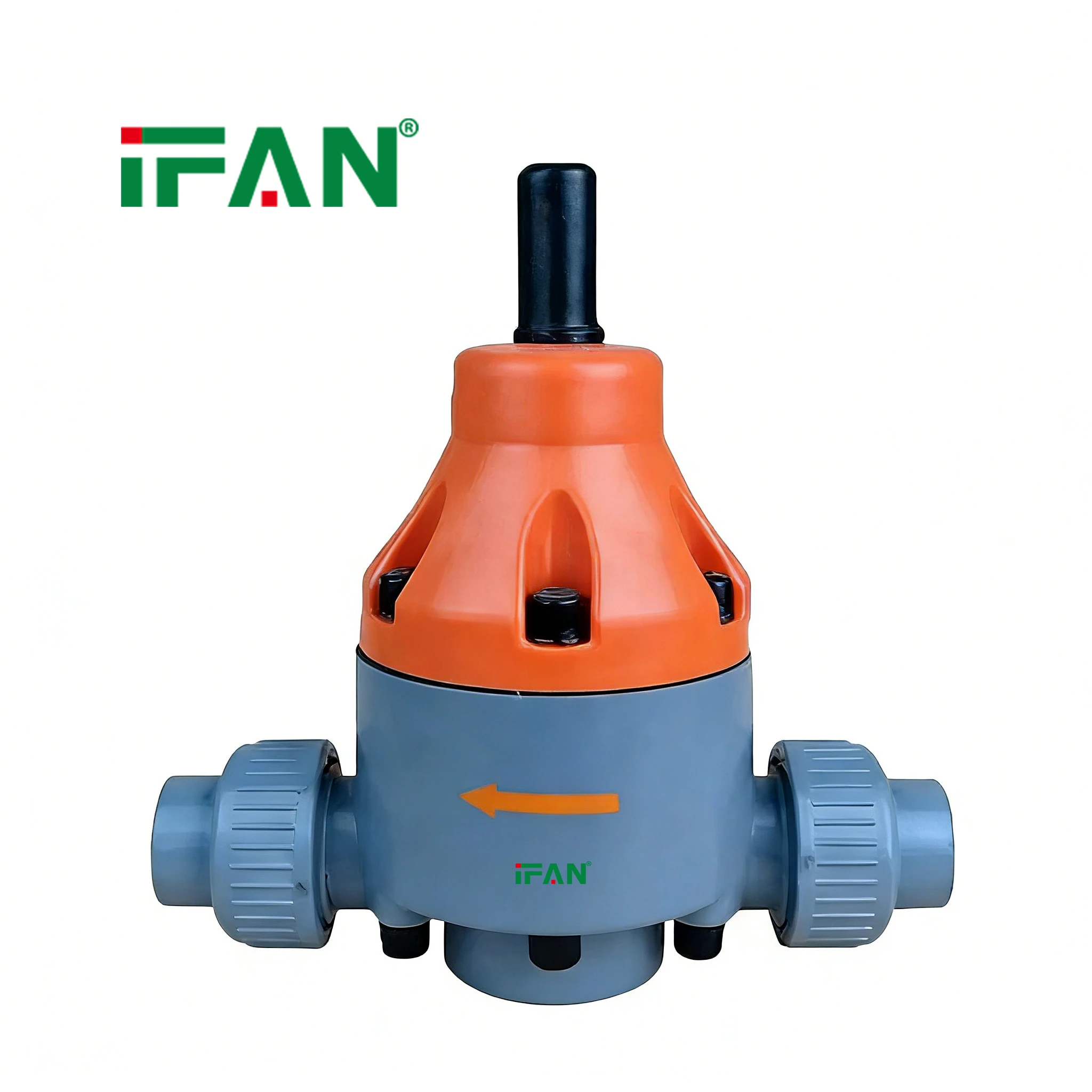
IFAN BS 3505 Back Pressure Valve
-
 Irrigation Series
IFAN ISO 4427 Plastic Foot Valve
-
 Irrigation Series
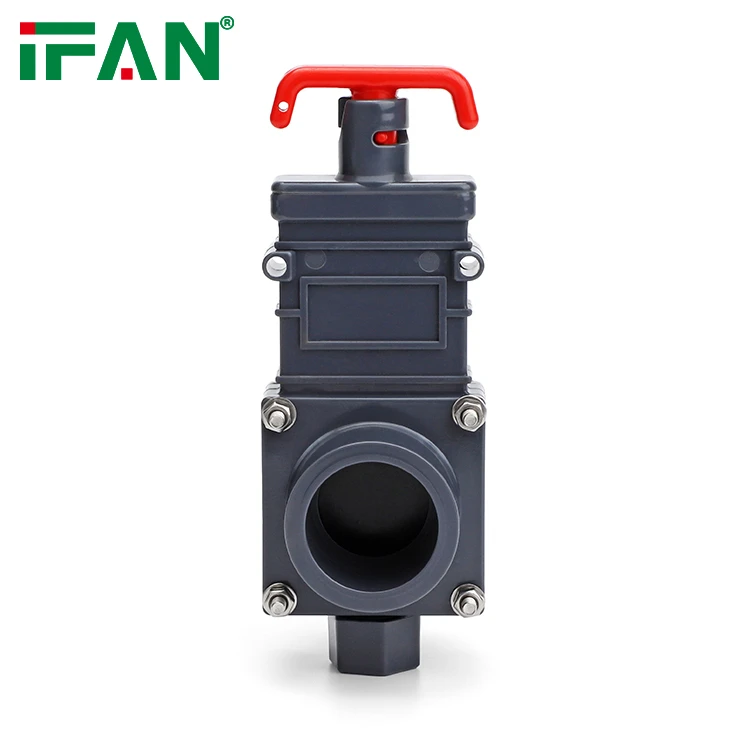
IFAN ISO 4427 PVC Knife Gate Valve
-
 Irrigation Series
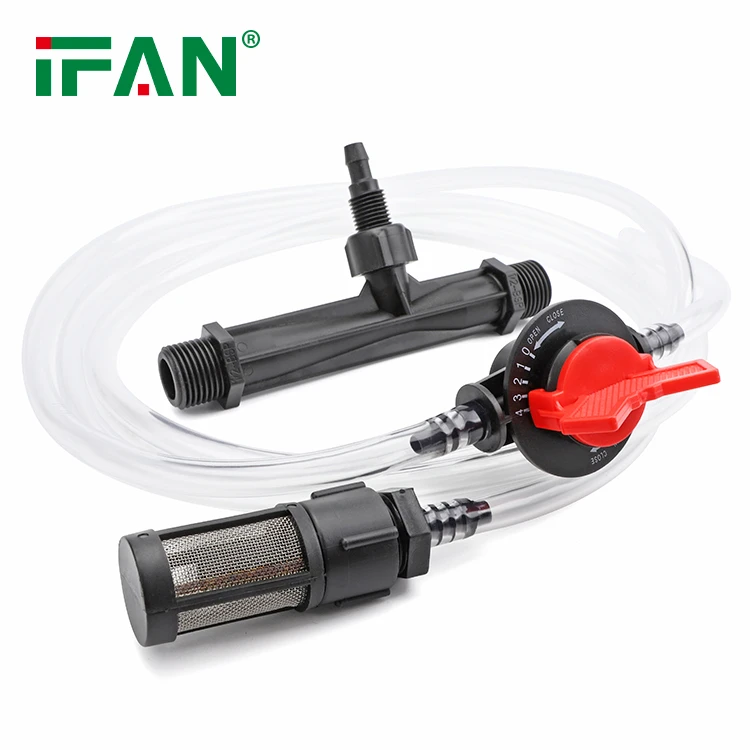
IFAN ASTM D3350 Venturi Fertilizer Injector
-
 Irrigation Series
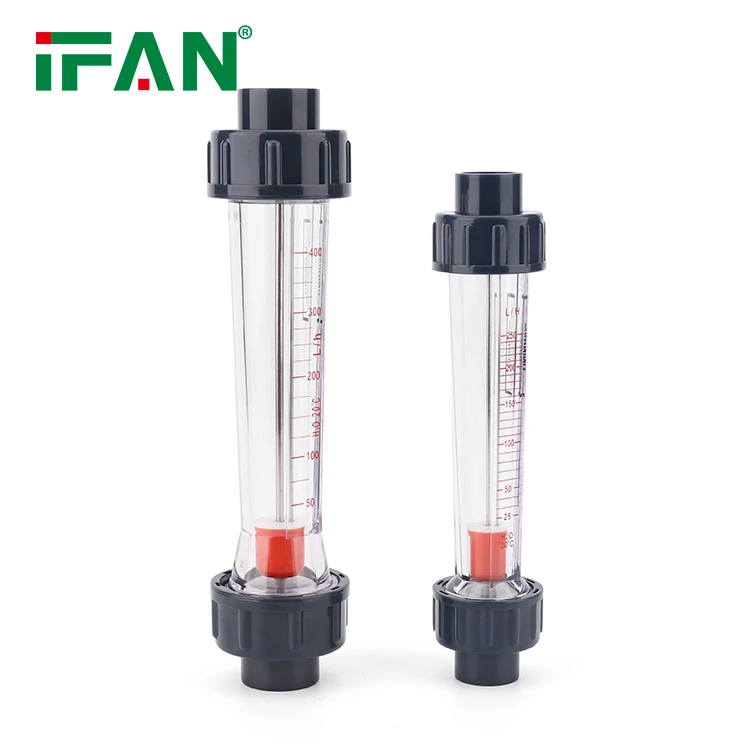
IFAN ASTM D3350 ABS Rotameter
-
 Irrigation Series
IFAN ASTM D3350 Bypass Drip Irrigation Cap
-
 Irrigation Series
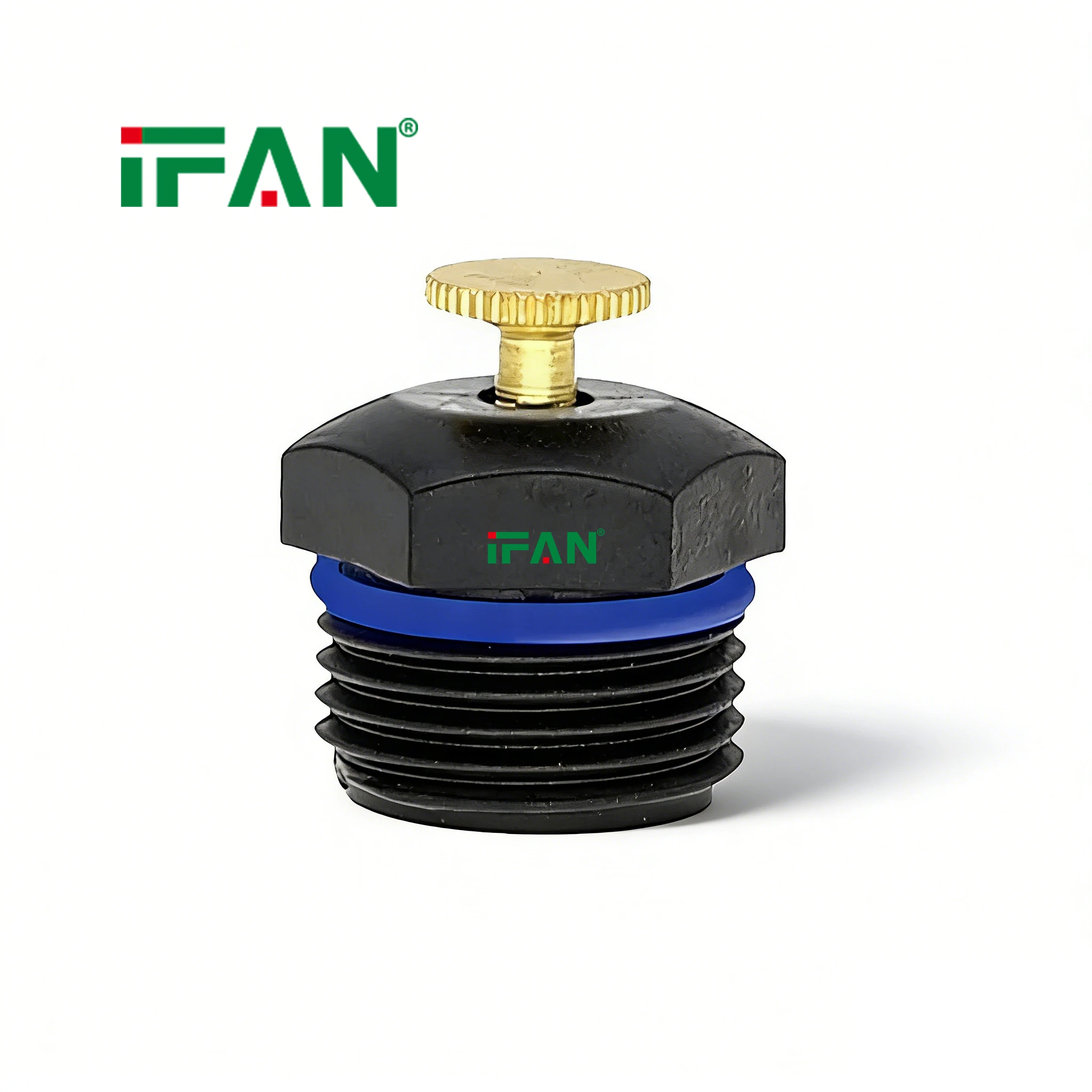
IFAN ASTM D3350 360 Degree Brass Refraction Spray Nozzle
-
 Plastic Industry
IFAN Cheap Price OEM ODM PPR Pipe Check Valve kangyu