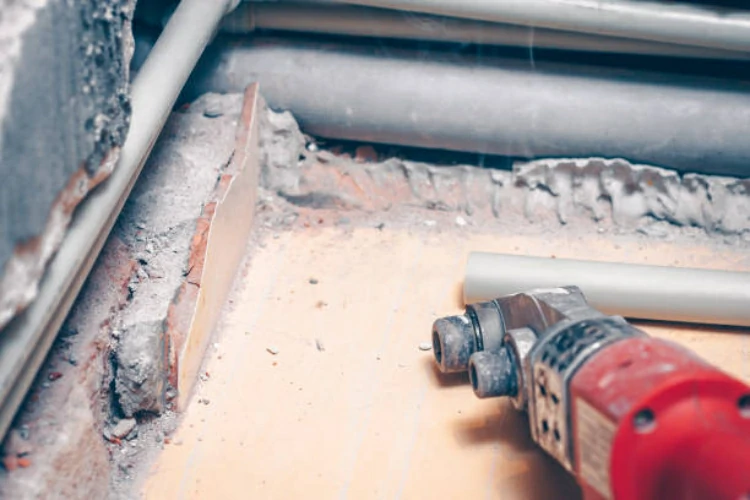
PPR Fitting

Unveiling the Corrosion Resistance of PPR Pipe Fittings: A Definitive Guide

Introduction: PPR (Polypropylene Random Copolymer) pipe fittings are celebrated for their remarkable resistance to corrosion and chemicals, rendering them perfect for diverse plumbing applications. This article explores their corrosion resistance and ability to withstand various chemicals, ensuring durability and reliability in plumbing systems. Corrosion Resistance of PPR Pipe Fittings: Inherent Material Properties: The corrosion resistance […]

Unveiling the Corrosion Resistance of PPR Pipe Fittings: A Definitive Guide Read More »
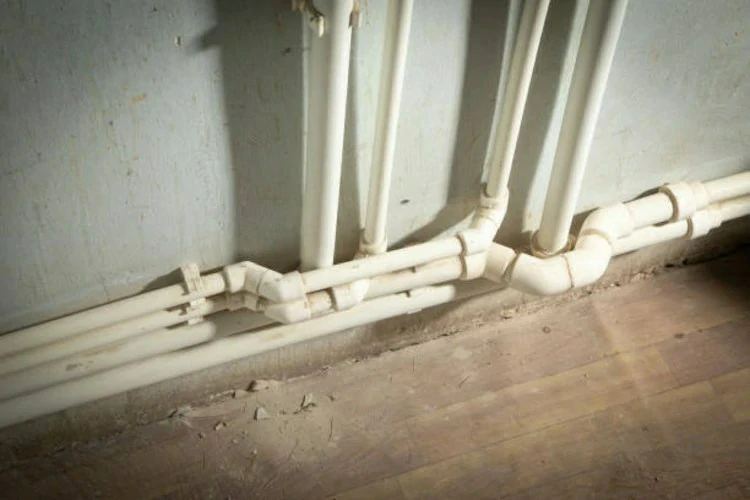
Maintaining PPR Pipe Fittings: Best Practices for Longevity and Performance

Introduction: Regular maintenance of PPR (Polypropylene Random Copolymer) pipe fittings is crucial for optimal performance, longevity, and reliability in plumbing systems. This article provides valuable insights into best practices for maintaining PPR fittings. It includes inspection, cleaning, and troubleshooting techniques to prevent issues and maximize their lifespan. Inspection and Monitoring: Visual Inspection: Regular visual inspection

Maintaining PPR Pipe Fittings: Best Practices for Longevity and Performance Read More »

Installing PPR Pipes: Methods and Considerations

1. Preparing for Installation Ensuring Proper Planning and Measurement Before starting the installation process, it is essential to plan the layout of the piping system carefully. Take accurate measurements of the space where the PPR pipes will be installed, considering factors such as pipe length, diameter, and fitting requirements. Proper planning helps prevent errors and

Installing PPR Pipes: Methods and Considerations Read More »

Unveiling the Production Process of PPR Pipes

PPR pipes, abbreviated from Polypropylene Random Copolymer pipes, undergo a meticulous production process to ensure high quality and reliability. Let’s delve into the intricate details of crafting PPR pipes, from the raw materials to the finished product. Raw Material Selection The production of PPR pipes starts with carefully selecting raw materials. Manufacturers choose high-quality Polypropylene

Unveiling the Production Process of PPR Pipes Read More »

Heat Resistance of PPR Pipes and Their Applications in High-Temperature Environments

Understanding the Heat Resistance of PPR Pipes PPR (Polypropylene Random Copolymer) pipes boast exceptional heat resistance, rendering them suitable for high-temperature environments. Let’s explore further the heat resistance properties of PPR pipe and their applications across various industries. Material Composition PPR pipes are manufactured from polypropylene random copolymer, a type of thermoplastic polymer known for

Heat Resistance of PPR Pipes and Their Applications in High-Temperature Environments Read More »

Understanding the Material Characteristics of PPR Pipes

Introduction to PPR Pipes PPR pipes, short for Polypropylene Random Copolymer pipes, are a type of plastic piping system widely used in plumbing and water supply applications. They are known for their exceptional durability, chemical resistance, and ease of installation, making them a popular choice in both residential and commercial settings. Material Composition PPR pipe

Understanding the Material Characteristics of PPR Pipes Read More »

Installing PPR Pipes: A Comprehensive Guide

Introduction to PPR Pipes Installation Installing PPR (Polypropylene Random Copolymer) pipes is a crucial aspect of any plumbing project, whether for residential, commercial, or industrial applications. Proper installation ensures the durability, efficiency, and longevity of the plumbing system. This guide provides step-by-step instructions and essential tips for installing PPR pipes correctly. Pre-Installation Preparation Before beginning

Installing PPR Pipes: A Comprehensive Guide Read More »

Understanding Heat Fusion Joining Technology for PPR Pipes

Introduction to Heat Fusion Joining Heat fusion joining technology is a widely used method for connecting PPR (Polypropylene Random Copolymer) pipes in plumbing and piping systems. This process requires heating the pipe and fitting surfaces to their melting point and then pressing them together to create a strong and permanent bond. Heat fusion joining ensures

Understanding Heat Fusion Joining Technology for PPR Pipes Read More »

Advantages of PPR Plumbing Systems Over Traditional Materials

Introduction: PPR (Polypropylene Random Copolymer) plumbing systems have emerged as a preferred choice for plumbing installations, offering numerous advantages over traditional materials. In this article, we’ll delve into the key benefits that PPR pipes provide compared to conventional materials, highlighting their superior properties and performance. Enhanced Durability: Withstanding the Test of Time a. Superior Material

Advantages of PPR Plumbing Systems Over Traditional Materials Read More »

Understanding the Heat Resistance of PPR Plumbing Systems

Introduction: PPR (Polypropylene Random Copolymer) plumbing systems are known for their exceptional heat resistance, making them a preferred choice for hot water distribution and other high-temperature applications. In this article, we’ll delve into the heat resistance of PPR pipes, highlighting their key characteristics and advantages in plumbing installations. Superior Heat Resistance: Unveiling the Thermal Properties

Understanding the Heat Resistance of PPR Plumbing Systems Read More »

Scroll to Top
We support Free Sample, please contact us ASAP !

IFAN since to 1993, offer PPR,PEX,PVC,HDPE,Brass Fittings,Brass Valve,Brass Bibcocks etc.