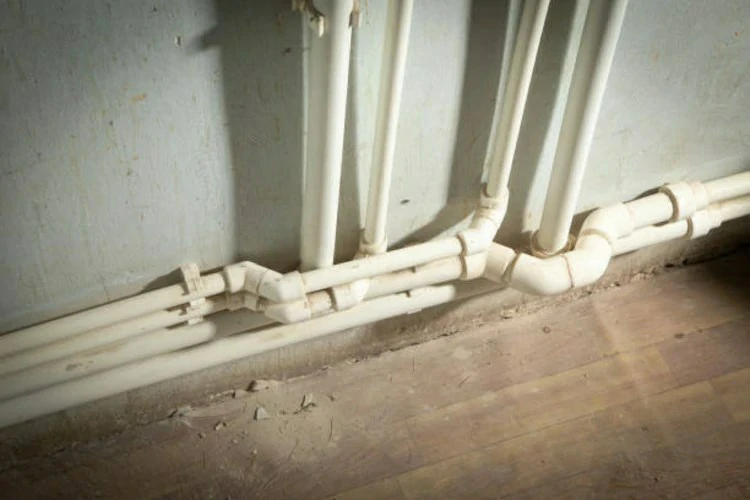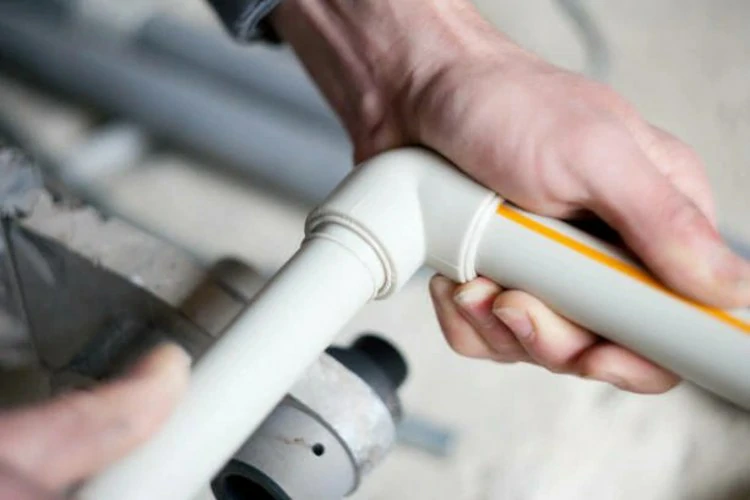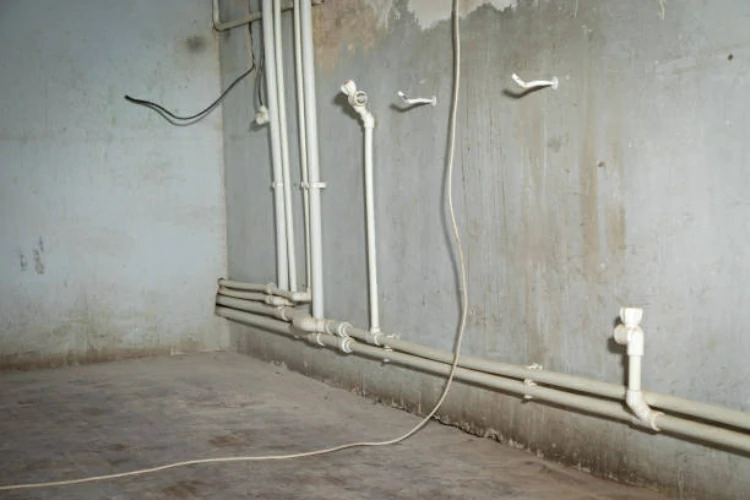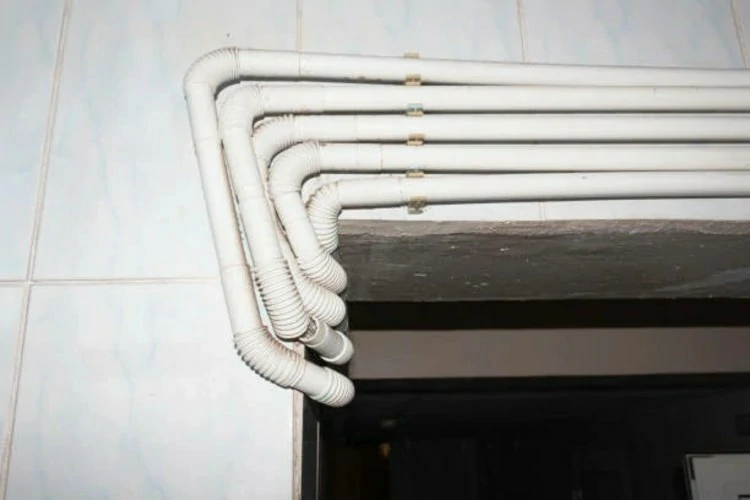
Encanamento PPR

O papel e as vantagens do tubo PPR em sistemas de abastecimento de água

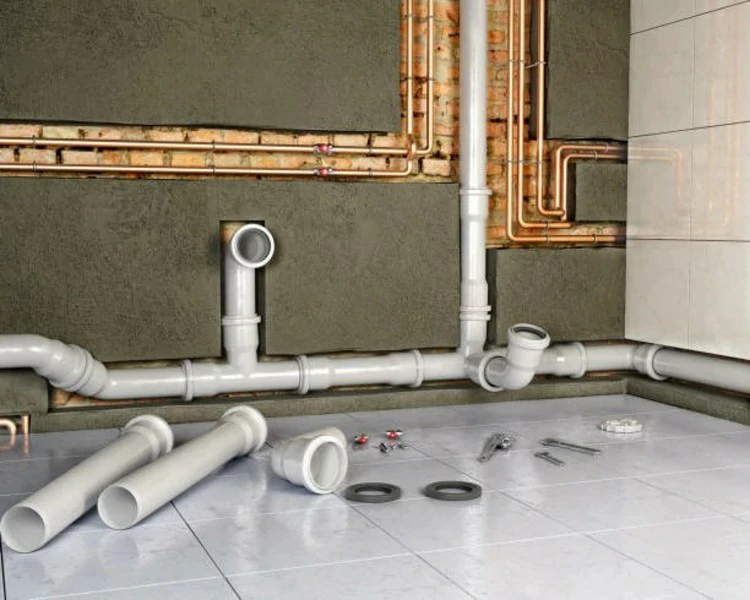
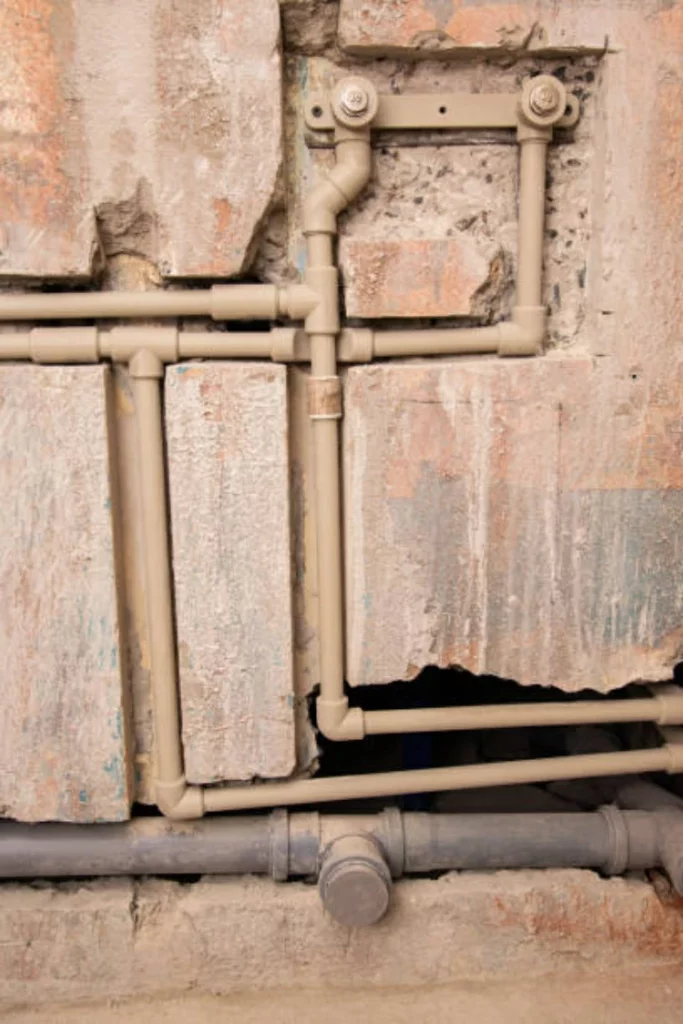
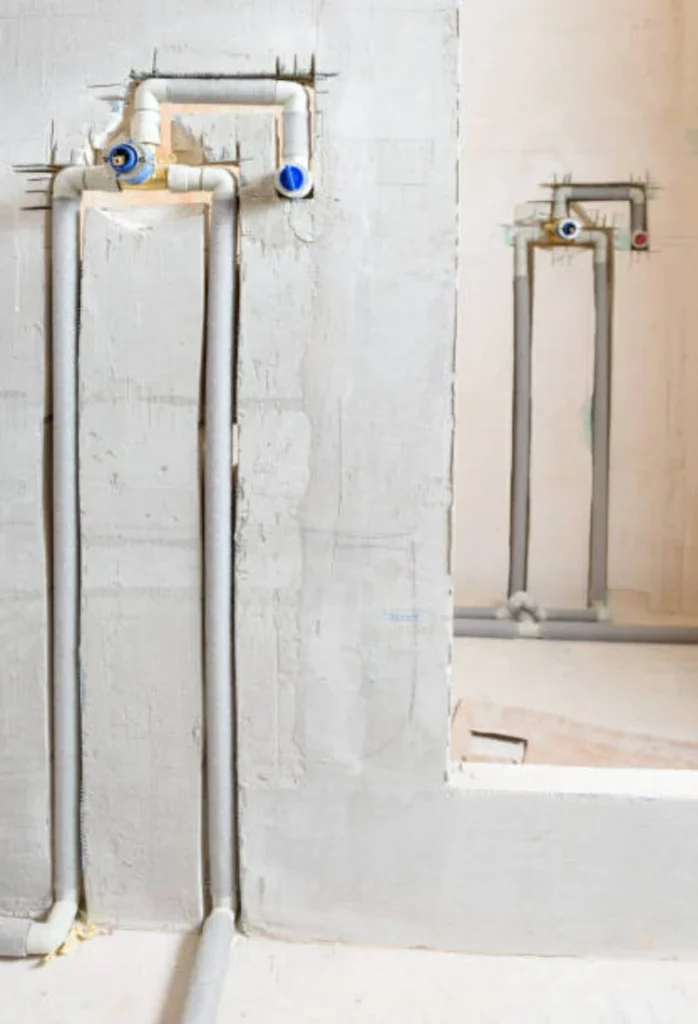
Os sistemas de abastecimento de água são componentes essenciais da infraestrutura em ambientes residenciais, comerciais e industriais, exigindo soluções de tubulação confiáveis e duráveis para garantir uma distribuição eficiente da água. O tubo de PPR (Copolímero Aleatório de Polipropileno) surgiu como a escolha preferida para tais aplicações devido às suas propriedades únicas e inúmeras vantagens. Vamos nos aprofundar no papel e nos benefícios do tubo de PPR em sistemas de abastecimento de água.

O papel e as vantagens do tubo PPR em sistemas de abastecimento de água Ler mais »
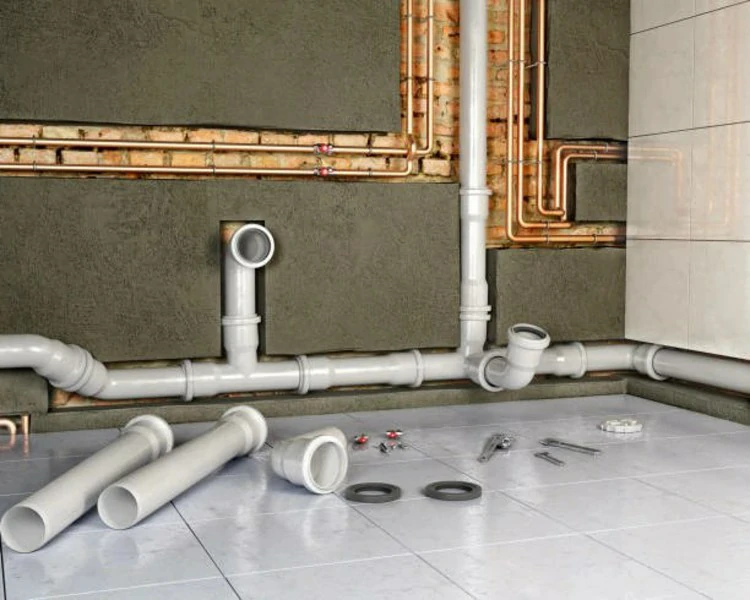
Comparing PPR Tube with Other Pipe Materials

In the construction and plumbing industries, choosing the right pipe material is crucial for ensuring durability, efficiency, and cost-effectiveness. Among the various options available, PPR (Polypropylene Random Copolymer) tube stands out as a versatile and reliable choice. Let’s explore how PPR tube compares to other commonly used pipe materials like PVC and HDPE. 1. Material

Comparing PPR Tube with Other Pipe Materials Ler mais »

Maximizing the Lifespan and Maintenance of PPR Pipeline

1. Understanding the Lifespan of PPR Pipeline a. Durable Material Composition PPR pipeline is known for its longevity and durability, thanks to its composition of polypropylene random copolymer (PPR), a thermoplastic material renowned for its resilience and resistance to environmental factors. This material composition enables PPR pipes to withstand prolonged exposure to varying temperatures, pressure

Maximizing the Lifespan and Maintenance of PPR Pipeline Ler mais »

Types of PPR Pipes and Specifications

Classification of PPR Pipes Based on Pressure Rating PPR pipes are classified based on their pressure rating, which determines their suitability for different applications. Common pressure ratings include PN10, PN16, PN20, and PN25, indicating the maximum allowable working pressure in megapascals (MPa). PN10 pipes are typically used for low-pressure applications such as residential plumbing, while

Types of PPR Pipes and Specifications Ler mais »

Advantages of PPR Pipeline Compared to Traditional Piping Materials

Superior Durability Resilience to Corrosion PPR pipeline offers superior durability compared to traditional piping materials such as metal and PVC. Unlike metal pipes, which are susceptible to corrosion over time, PPR pipes are highly resistant to corrosion, ensuring long-term reliability in various applications. This corrosion resistance minimizes the risk of leaks and pipe failures, leading

Advantages of PPR Pipeline Compared to Traditional Piping Materials Ler mais »

Instalação de tubos PPR: métodos e considerações

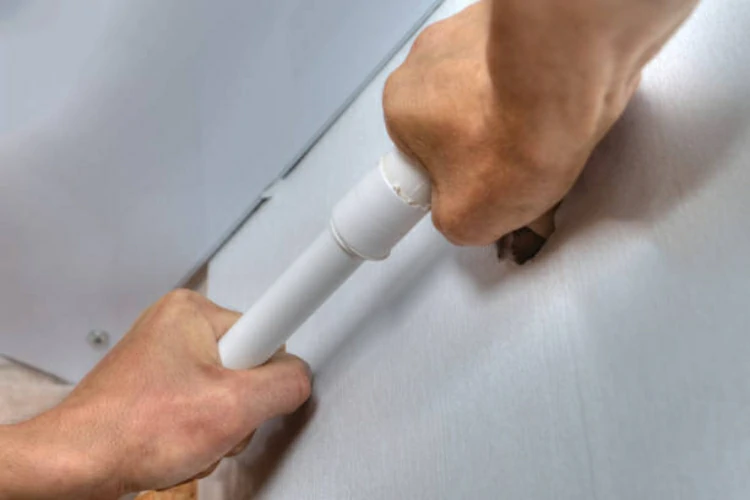
1. Preparação para a Instalação: Garantindo o Planejamento e a Medição Adequados. Antes de iniciar o processo de instalação, é essencial planejar cuidadosamente o layout do sistema de tubulação. Faça medições precisas do espaço onde os tubos PPR serão instalados, considerando fatores como comprimento, diâmetro e requisitos de encaixe. O planejamento adequado ajuda a evitar erros e

Instalação de tubos PPR: métodos e considerações Ler mais »

Comparing PPR Pipes with Other Piping Materials

1. Strength and Durability PPR Pipes: Exceptional Strength-to-Weight Ratio PPR pipes are renowned for their high strength-to-weight ratio, providing robustness and durability without adding unnecessary bulk. This characteristic makes them suitable for both above-ground and underground applications, where strength and longevity are essential for maintaining the integrity of the piping system. Traditional Metal Pipes: Susceptibility

Comparing PPR Pipes with Other Piping Materials Ler mais »

Manutenção e solução de problemas de tubos PPR: dicas essenciais

1. Maintenance Guidelines for PPR Pipes Regular Inspections Perform regular visual inspections of PPR pipes to check for signs of leaks, cracks, or damage. Look for any discoloration, warping, or bulging, which could indicate potential issues with the piping system. Early detection of problems allows for timely repairs and prevents costly damages. Cleaning Procedures Clean

Manutenção e solução de problemas de tubos PPR: dicas essenciais Ler mais »

PPR Pipes: Understanding the Basics

Introduction PPR pipes, also known as Polypropylene Random Copolymer pipes, are a type of plastic piping system widely used for various applications in plumbing and heating systems. These pipes are renowned for their durability, flexibility, and ease of installation, making them a popular choice in residential, commercial, and industrial settings. Let’s delve deeper into the

PPR Pipes: Understanding the Basics Ler mais »

Unveiling the Production Process of PPR Pipes

PPR pipes, abbreviated from Polypropylene Random Copolymer pipes, undergo a meticulous production process to ensure high quality and reliability. Let’s delve into the intricate details of crafting PPR pipes, from the raw materials to the finished product. Raw Material Selection The production of PPR pipes starts with carefully selecting raw materials. Manufacturers choose high-quality Polypropylene

Unveiling the Production Process of PPR Pipes Ler mais »

Scroll to Top
Apoiamos a amostra grátis, entre em contato conosco o mais rápido possível!

IFAN desde 1993, oferece PPR, PEX, PVC, HDPE, conexões de latão, válvulas de latão, torneiras de latão etc.