


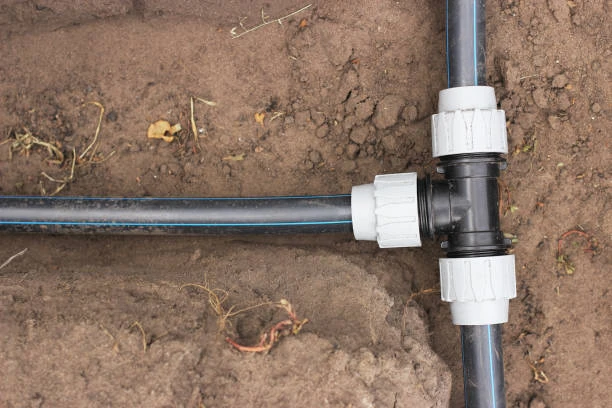
High-density polyethylene (HDPE) plumbing systems have gained widespread popularity in drainage applications across residential, commercial, and industrial sectors. Among their many strengths, wear resistance stands out as one of the most critical characteristics. In drainage environments, pipelines often face continuous abrasion from solid particles, sediment, and fluctuating flow rates. HDPE drainage pipes offer robust resistance to these challenges, making them a superior choice for modern infrastructure. This article explores the wear resistance of drainage HDPE plumbing systems in depth, covering their composition, advantages, and performance in various applications.
What Is HDPE and Why It Matters
HDPE is a thermoplastic polymer made from petroleum. It is known for its high strength-to-density ratio, flexibility, chemical resistance, and durability. These features make HDPE particularly well-suited for pipelines that handle waste, stormwater, or industrial effluents. Unlike traditional materials such as concrete, cast iron, or PVC, HDPE exhibits an exceptional ability to withstand mechanical and environmental stressors, including abrasion from particles within the fluid stream.
The Role of Wear Resistance in Drainage Systems
Drainage systems often carry a mix of liquids and solids. Over time, these solids — whether sand, grit, or debris — scrape against the inner surface of the pipe. If the pipe material lacks sufficient wear resistance, this can lead to surface degradation, reduced wall thickness, leaks, and ultimately system failure.
HDPE’s wear resistance is vital in prolonging service life, maintaining hydraulic performance, and reducing maintenance frequency. In settings like municipal sewer systems or industrial waste channels, this characteristic can translate into significant long-term savings and reliability.
Factors Affecting Wear in Drainage Pipes
Several factors influence how quickly a drainage pipe wears out. These include:
- Flow velocity: Higher velocities increase the rate of abrasion.
- Particle size and hardness: Larger and harder particles cause more wear.
- Pipe material: Softer materials are more prone to degradation.
- Flow pattern: Turbulent flows lead to uneven wear patterns.
- Installation method: Poor installation can result in areas of concentrated stress and wear.
HDPE pipes perform remarkably well in these conditions, thanks to their inherent flexibility, smooth inner walls, and high resistance to surface damage.
HDPE’s Wear-Resistant Properties
HDPE owes its wear resistance to several physical and mechanical properties:
High Molecular Weight
HDPE has a high molecular weight that provides excellent toughness and resistance to slow crack growth. This makes it less likely to develop surface cracks under stress or impact, especially when solid particles are involved.
Baixo atrito superficial
The inner surface of HDPE pipes is exceptionally smooth, with a low coefficient of friction. This reduces drag and minimizes the potential for abrasive damage caused by suspended particles in the fluid.
Flexibilidade e Resistência ao Impacto
HDPE’s flexible nature allows it to absorb shocks and vibrations without breaking or cracking. This quality is particularly important in dynamic drainage systems that experience pressure surges or ground movement.
Resistance to Chemical Corrosion
While not directly related to mechanical wear, HDPE’s resistance to a wide range of chemicals means it maintains its structural integrity even when exposed to corrosive substances, which may otherwise weaken other materials.
Comparação com outros materiais de tubos
To fully appreciate the wear resistance of HDPE, it’s helpful to compare it to other common drainage pipe materials:
HDPE vs. Concrete
Concrete pipes are rigid and heavy. Though strong under compression, they are brittle and prone to cracking when exposed to point loads or abrasive flows. Over time, wear can lead to erosion of the inner surface, resulting in leaks or structural failure. HDPE, in contrast, flexes under load and resists internal abrasion much more effectively.
HDPE vs. PVC
PVC is another plastic pipe used in drainage, but it lacks the flexibility and wear resistance of HDPE. In abrasive environments, PVC tends to degrade more quickly, especially at joints or sharp bends where flow turbulence is high.
HDPE vs. Cast Iron
Cast iron is highly durable but susceptible to corrosion and internal scaling. Over time, the inner surface becomes rough, which increases abrasion. HDPE remains smooth throughout its life, reducing wear from particles in motion.
Laboratory Testing and Results
Several laboratory studies have demonstrated HDPE’s superior wear resistance. In controlled tests simulating abrasive flows, HDPE pipes showed significantly less mass loss compared to alternative materials. These tests typically involve circulating slurry mixtures of water and sand through test sections and measuring wear over time.
Key findings from such tests include:
- HDPE exhibited lower volume loss per unit time than steel and PVC.
- The rate of degradation remained low even under high-velocity conditions.
- The material maintained structural performance despite surface scratching.
These results provide strong evidence for HDPE’s durability in real-world applications.
Applications Where Wear Resistance Matters
Wear resistance is especially important in the following drainage scenarios:
Gestão de águas pluviais
Stormwater often carries sediments, leaves, and road debris. HDPE pipes can handle this abrasive flow while maintaining structural integrity over decades.
Industrial Drainage
Industrial effluents may contain high concentrations of solids and corrosive chemicals. HDPE’s combined wear and chemical resistance make it ideal for such demanding environments.
Sewer Systems
Municipal sewers are prone to internal scouring due to variable flows and solid waste. HDPE resists this degradation, helping to prevent leaks and blockages.
Agricultural Drainage
In agricultural drainage systems, water mixed with sand or organic particles flows through the pipes. HDPE’s resistance to particle wear ensures long service life with minimal maintenance.
Installation Techniques and Their Impact
Proper installation is essential to maximizing the wear resistance of HDPE drainage systems. Best practices include:
- Correct alignment and jointing: Prevents internal edges where turbulence may cause wear.
- Appropriate slope and flow design: Reduces turbulence and uneven flow.
- Bedding and backfilling: Supports the pipe evenly and avoids point loads.
- Avoiding sharp bends: Gradual turns reduce particle impact on walls.
Because HDPE is lightweight and flexible, installation is relatively simple and forgiving, which further enhances its long-term performance.
Maintenance and Inspection Considerations
HDPE’s wear resistance significantly reduces the need for frequent maintenance. However, periodic inspections are still recommended, especially in high-wear systems. Key maintenance advantages include:
- Minimal sediment buildup due to smooth surfaces.
- Lower incidence of internal corrosion or cracking.
- Ease of repair in the rare event of damage.
Inspection can be performed using CCTV systems, ultrasonic thickness measurements, or internal sensors. Any minor damage detected can often be addressed without full pipe replacement.
Benefícios ambientais e econômicos
Wear resistance also contributes to the sustainability of HDPE drainage systems. Long-lasting infrastructure reduces the frequency of replacements, lowering the carbon footprint associated with manufacturing, transport, and installation. Economically, the benefits include:
- Lower lifecycle costs
- Fewer disruptions due to repairs
- Reduced labor and downtime
In large-scale drainage networks, these savings become substantial over time, making HDPE a sound investment.
HDPE in Harsh Environments
In regions with extreme climates or geological instability, wear resistance becomes even more critical. For example:
- Mining operations use HDPE pipes to convey slurry mixtures over long distances. HDPE resists internal abrasion better than steel in many of these setups.
- Mountainous or rocky areas present shifting soils that put pressure on buried pipes. HDPE flexes and absorbs these shifts without damage.
- Arctic conditions subject pipes to freeze-thaw cycles. HDPE remains resilient and does not become brittle under cold temperatures.
Innovations in HDPE Technology
Modern advances in HDPE formulation and manufacturing continue to improve its wear resistance. New developments include:
- Multilayer HDPE pipes with reinforced outer walls for added strength.
- Additive-enhanced HDPE containing wear-reducing compounds.
- Corrugated designs that increase strength while maintaining internal smoothness.
These innovations ensure that HDPE remains at the forefront of drainage technology.
Conclusão
The wear resistance of drainage HDPE plumbing systems plays a crucial role in their widespread adoption and long-term success. From municipal sewers to industrial effluent channels, HDPE pipes offer unmatched durability, minimal maintenance, and excellent performance under abrasive conditions. By choosing HDPE, engineers and builders ensure reliable drainage solutions that stand the test of time — with fewer failures, lower costs, and greater sustainability.
As infrastructure demands continue to grow, the importance of selecting materials that offer long-term resilience cannot be overstated. HDPE’s wear resistance ensures that it will remain a leading choice for drainage applications for many years to come.
Norma internacional IFAN
Os produtos de tubos de polietileno da IFAN atendem a uma ampla gama de normas internacionais para garantir qualidade, segurança e compatibilidade em mercados globais. Entre elas, estão ASTM D3035, ASTM D3350, série ISO 4427, série EN 12201, DIN 8074/8075, série GB/T 13663, AS/NZS 4130, JIS K6760, BS 6572 e CSA B137.1, entre outras. Essa conformidade abrangente reflete o compromisso da IFAN em fornecer soluções de tubulação confiáveis que atendam aos diversos requisitos técnicos de abastecimento de água, distribuição de gás e aplicações industriais em todo o mundo.
Contato
A IFAN é uma fabricante profissional com 30 anos de experiência, dedicada à produção de tubos, conexões e válvulas de plástico de alta qualidade. Nossos produtos incluem válvulas de latão, válvulas de PPR, além de diversos tubos e conexões para atender às diferentes necessidades dos clientes. Seja para tubos de encanamento e drenagem ou válvulas, a IFAN oferece uma gama diversificada de produtos de alta qualidade e custo-benefício para apoiar seus projetos. Abaixo, você encontra nossos dados de contato.
Responderemos seu e-mail ou fax em até 24 horas.
Você pode nos ligar a qualquer momento caso tenha alguma dúvida sobre nossa produção.
Para mais informações, visite nosso site https://www.ifanplus.com/
Por favor, envie um e-mail para: [email protected]
Whatsapp: + 86 19857948982























