


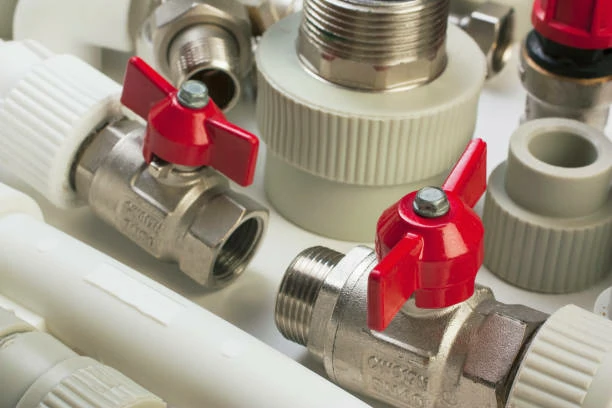
1. What Is Valve Control?
Valve control manages the flow of liquids or gases through pipes. Valves open, close, or regulate flow. Each valve type serves a unique function. Manual valves use hands or levers for control. Automated valves use electrical, hydraulic, or pneumatic systems. Examples include ball valves, gate valves, and butterfly valves. Proper control ensures system safety and efficiency. Valves play a critical role in plumbing, HVAC, and industry. Beginners should learn the purpose behind each valve type. Flow direction, pressure, and temperature all matter.
2. Manual vs. Automatic Valves
Manual valves require physical action to operate. Users turn handles or twist knobs. Automatic valves respond to sensors or signals. Electric actuators open and close them as needed. Manual valves cost less and need less maintenance. Automated valves offer speed, precision, and convenience. Use manual valves in homes and simple systems. Use automatic valves in factories and complex machines. A kitchen faucet is a manual valve. A boiler safety valve may be automatic. Choose based on application and control needs.
3. Common Valve Types and Functions
Ball valves provide fast shutoff using a rotating ball. Gate valves use a sliding gate to stop flow. Globe valves control flow precisely through an internal disk. Butterfly valves use a rotating disc for quick shutoff. Check valves prevent backflow in piping systems. Pressure relief valves open under excess pressure. Angle valves change flow direction while managing pressure. Each type suits specific tasks. For example, ball valves work well in residential plumbing. Globe valves suit chemical processing and laboratories.
4. Key Components of Valve Control
Each valve has essential parts for control. Handles or actuators move the valve mechanism. Seals and seats prevent leaks. The valve body houses internal components. Flow passages inside direct movement of gas or liquid. Sensors detect pressure, temperature, or flow rate. Actuators receive signals and perform actions. Electric actuators connect with control systems or switches. Pneumatic ones use air pressure to move the valve. All components must work together. Poor design or failure reduces performance and safety.
5. Understanding Valve Symbols and Diagrams
Piping diagrams show valve positions and types. Symbols vary for different valve categories. A circle with a line may show a ball valve. A zigzag line often means a check valve. Learning these symbols helps read schematics. Beginners should review common valve diagrams. Each system uses unique layouts and rules. Knowing symbols aids installation and troubleshooting. Technicians read valve drawings before touching equipment. Manuals often include key legends for symbols. Diagrams improve clarity when planning or maintaining systems.
6. Basic Valve Control Techniques
Proper control starts with choosing the right valve. Turn valves fully open or closed when needed. Avoid leaving valves partly open if not designed for it. Use gradual control in pressure-sensitive systems. In automated systems, monitor response time and position. Check actuator settings to match valve movement. Test valve function before system startup. Always verify direction and flow rate. Don’t force valves against resistance. Use tools when required, but avoid overtightening. Keep logs of valve operations in critical systems.
7. Safety and Maintenance Tips
Valve control involves responsibility. Always follow safety procedures when working with valves. Shut down systems before repairs. Wear gloves and goggles during inspections. Look for leaks or unusual sounds. Lubricate valve parts when needed. Clean sediment and deposits inside valves. Replace worn seals to prevent leaks. Calibrate automated valves regularly. Check actuator signals for consistency. In case of failure, isolate and tag the valve. Use lockout devices for major maintenance. Schedule regular inspections in industrial setups.
8. Learning and Growing with Valve Control
Mastery takes time and practice. Beginners should start with basic types and operations. Read manuals and guides for each valve. Watch tutorial videos for demonstrations. Practice installing and removing simple valves. Attend workshops or online classes if available. Work under supervision before managing complex systems. Learn from experienced technicians and engineers. Study failures to improve understanding. Ask questions and record key details. As you gain skills, try advanced control methods. Valve control opens doors to many technical careers.
Visão geral dos padrões de produtos IFAN
A IFAN fabrica produtos em total conformidade com as normas internacionais e regionais para atender às diversas exigências do mercado. Nossa linha de produtos atende a especificações como ISO 15874, EN 15874, ASTM F2389, DIN 8077/8078, GB/T 18742 e NBR 15884 para sistemas PPR. Também seguimos as normas ISO 15494, EN ISO 15494, GB/T 19472 e NBR 15494 para aplicações em tubulações industriais. Normas como ASTM D1785 SCH40/SCH80, DIN 8061/8062, ISO 1452, AS/NZS 1477 e NSF/ANSI 14 se aplicam aos nossos sistemas de PVC. Para tubos de PEAD e gás, cumprimos as normas ISO 4437, EN 12201, ASTM D2513, ASTM D3035 e GB/T 13663. Os produtos de tubulação de aço inoxidável e compostos atendem às normas ASTM A312, ISO 10380, ASTM F1974 e ISO 21003. Outras normas suportadas incluem CSA B137, BS 7291, JIS K6741 e TIS 17-2532/1131-2535. A IFAN garante qualidade e compatibilidade confiáveis, atendendo a essas especificações reconhecidas globalmente.
Contato
A IFAN é uma fabricante profissional com 30 anos de experiência, dedicada à produção de tubos, conexões e válvulas de plástico de alta qualidade. Nossos produtos incluem válvulas de latão, válvulas de PPR, além de diversos tubos e conexões para atender às diferentes necessidades dos clientes. Seja para tubos de encanamento e drenagem ou válvulas, a IFAN oferece uma gama diversificada de produtos de alta qualidade e custo-benefício para apoiar seus projetos. Abaixo, você encontra nossos dados de contato.
Responderemos seu e-mail ou fax em até 24 horas.
Você pode nos ligar a qualquer momento caso tenha alguma dúvida sobre nossa produção.
Para mais informações, visite nosso site https://www.ifanplus.com/
Por favor, envie um e-mail para: [email protected]
Whatsapp: + 86 19857948982























