


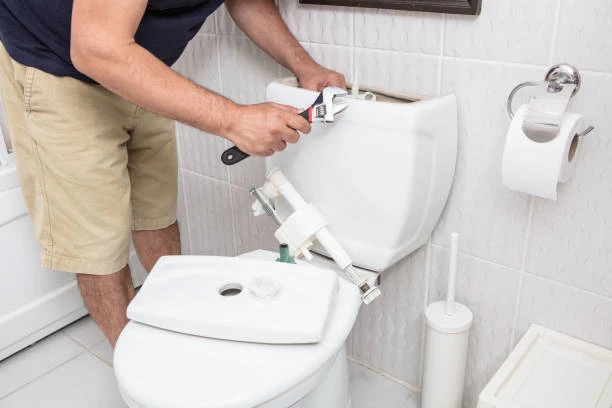
A clean banheiro Um vaso sanitário limpo é essencial para manter um ambiente de banheiro saudável e agradável. A limpeza e a manutenção regulares não só garantem a higiene do seu vaso sanitário, como também prolongam sua vida útil e melhoram sua eficiência. Neste guia, exploraremos dicas práticas de limpeza e manutenção para ajudar você a manter um vaso sanitário fresco, funcional e sem odores.
1. Routine Toilet Cleaning
The first step to maintaining a clean toilet is regular cleaning. Setting a schedule to clean the toilet once a week is essential, but more frequent cleaning may be necessary depending on use. Here are the steps for a thorough cleaning session.
Step 1: Gather Your Supplies
Before cleaning, ensure you have all the necessary supplies. You’ll need:
- Toilet cleaner (liquid or gel)
- Toilet brush
- Disinfectant or multi-purpose cleaner
- Cleaning gloves
- Microfiber cloth or paper towels
- A mop and bucket for the floor
- A trash bag
Step 2: Apply Toilet Cleaner
Start by applying a toilet cleaner to the inside of the bowl, focusing on the rim and waterline where stains are more likely to accumulate. Let the cleaner sit for a few minutes to loosen any grime or stains. For tough stains, use a specialized toilet cleaner with bleach or a natural cleaning agent like baking soda and vinegar.
Step 3: Scrub the Bowl
Using a toilet brush, scrub the inside of the bowl, paying close attention to the waterline, rim, and any stains. For stubborn stains, scrub with extra force, or use a pumice stone carefully to avoid damaging the porcelain.
Step 4: Clean the Exterior
While the toilet cleaner sits in the bowl, take the time to clean the exterior. Wipe down the seat, lid, tank, flush handle, and base of the toilet with a disinfectant. These areas can harbor germs and bacteria, so it’s important to clean them regularly.
Step 5: Final Rinse and Dry
After scrubbing the bowl and cleaning the exterior, flush the toilet to rinse away any residue. Then, dry the outer parts of the toilet with a microfiber cloth to leave it streak-free. If you used harsh chemicals, ensure the bathroom is well-ventilated to disperse any fumes.
2. Dealing with Hard Water Stains
Hard water stains can be a persistent problem in toilets, especially in areas with high mineral content in the water. Over time, these stains can accumulate around the rim or waterline, causing discoloration and an unsightly appearance.
Vinegar and Baking Soda
For stubborn hard water stains, a natural and effective method involves using vinegar and baking soda. Pour a cup of vinegar into the toilet bowl, followed by half a cup of baking soda. Let it sit for about 15 minutes. Then, scrub the stains with your toilet brush. The acidity of vinegar helps dissolve mineral deposits, while the abrasiveness of baking soda assists in scrubbing the stains away.
Commercial Hard Water Cleaners
If natural remedies don’t work, there are commercial hard water cleaners available that are designed to break down mineral deposits and stains. These products often contain hydrochloric acid or other powerful cleaning agents, so always follow the instructions carefully and wear gloves to protect your skin.
3. Maintaining the Toilet Tank
The toilet tank plays an important role in the overall performance of the toilet. Regular maintenance ensures that it works efficiently and prolongs its lifespan.
Check the Flapper Valve
The flapper valve in the tank controls the release of water into the bowl during flushing. If this part malfunctions, it can cause water to continuously run, leading to increased water bills. Periodically check the flapper for any signs of wear or damage. If the valve is cracked or leaking, it’s time to replace it. Replacing a flapper is simple and inexpensive, and it can make a significant difference in the efficiency of your toilet.
Clean the Tank
Over time, mineral deposits and dirt can build up inside the toilet tank. To clean it, turn off the water supply to the toilet and flush to drain the tank. Use a sponge or cloth soaked in a mixture of vinegar and water to wipe down the inside of the tank. For stubborn deposits, a pumice stone can help remove them without damaging the surface. Refill the tank with clean water after cleaning.
4. Checking for Leaks and Water Efficiency
Water leaks can lead to higher water bills and inefficiency. Regular checks for leaks and other signs of toilet malfunction are important for maintaining a functional toilet.
Teste de vazamentos
One of the most common ways to check for leaks is the dye test. Add a few drops of food coloring to the toilet tank. Wait about 15 to 20 minutes without flushing the toilet. If you see colored water in the toilet bowl, you likely have a leak, usually from the flapper valve. In such cases, replacing the flapper will solve the issue.
Check for Running Water
If your toilet continues to run after flushing, it can waste a lot of water over time. The cause could be a misaligned flapper, a problem with the fill valve, or a clog in the tank. Fixing these issues may require adjusting or replacing the faulty components. If you’re not sure how to fix it, consult a plumber for assistance.
Upgrade to a Water-Efficient Toilet
If your toilet is old and uses more water than necessary, consider upgrading to a water-efficient model. Modern toilets use less water per flush while still providing adequate flushing power. Dual-flush toilets, for instance, give you the option to choose a lower flush for liquid waste and a higher flush for solid waste. This can save significant amounts of water over time.
5. Dealing with Odors
Toilets are often a source of unpleasant odors, especially if not cleaned regularly or if there are plumbing issues. Preventing and dealing with toilet odors can significantly improve the overall experience of your bathroom.
Use Air Fresheners
One of the simplest ways to keep smelling fresh is by using air fresheners. These can be in the form of sprays, gels, or automatic dispensers. Scented candles or essential oils can also add a pleasant aroma to the bathroom.
Use Toilet Bowl Tablets
Toilet bowl tablets are an easy way to keep your toilet fresh between cleanings. These tablets are placed in the tank or the bowl, releasing a fresh scent and helping to clean the bowl with every flush. However, ensure that you choose products that won’t damage your toilet’s plumbing or the components inside the tank.
Ensure Proper Ventilation
Poor ventilation in the bathroom can lead to lingering odors. Make sure your bathroom has adequate airflow. Installing a ventilation fan can help remove moisture and odor, especially in small or windowless bathrooms. If you already have a fan, check periodically to ensure it’s working properly.
6. Professional Maintenance and Repairs
While regular cleaning and maintenance are essential for the longevity of your toilet, some issues may require professional attention. If you encounter persistent problems, such as clogged pipes, constant leaks, or severe damage to the toilet, it’s best to consult a plumber. Timely repairs can prevent costly damage and ensure your toilet operates efficiently.
Conclusão
Keeping your toilet clean and well-maintained is not only important for hygiene but also for the overall function and longevity of the fixture. Regular cleaning, checking for leaks, and maintaining components like the flapper valve and tank are essential for ensuring that your toilet works efficiently. By following these cleaning and maintenance tips, you can enjoy a fresh, hygienic, and functional toilet for years to come.
Norma internacional IFAN
As normas da IFAN incluem uma série de certificações e especificações internacionais, como ASTM 2846, DIN 8079/8080, ASTM F441/F441M SCH80, DIN, série GB/T 18993, AS/NZS 1477, CSA B137.6, NSF/ANSI 14 e TIS 17-2532/1131-2535, entre outras. Essas normas garantem a qualidade, a segurança e a confiabilidade dos produtos, alinhando-se aos requisitos globais de fabricação e desempenho. Ao aderir a essas normas, a IFAN garante que seus produtos atendam aos rigorosos padrões do setor, garantindo a satisfação do cliente e a conformidade com as diretrizes regulatórias em diversas regiões.
Contato
A IFAN é uma fabricante profissional com 30 anos de experiência, dedicada à produção de tubos, conexões e válvulas de plástico de alta qualidade. Nossos produtos incluem válvulas de latão, válvulas de PPR, além de diversos tubos e conexões para atender às diferentes necessidades dos clientes. Seja para tubos de encanamento e drenagem ou válvulas, a IFAN oferece uma gama diversificada de produtos de alta qualidade e custo-benefício para apoiar seus projetos. Abaixo, você encontra nossos dados de contato.
Responderemos seu e-mail ou fax em até 24 horas.
Você pode nos ligar a qualquer momento caso tenha alguma dúvida sobre nossa produção.
Para mais informações, visite nosso site https://www.ifanplus.com/
Por favor, envie um e-mail para: [email protected]
Whatsapp: + 86 19857948982























