


Introdução
Polietileno de alta densidade (HDPE) is a widely used plastic due to its impressive strength and versatility. This material’s strength makes it suitable for various industries. HDPE resists mechanical stress and is used in demanding applications. Its key properties include tensile, impact, and compressive strength, all crucial in design and engineering.
What is Plastic HDPE?
HDPE is a thermoplastic polymer made from petroleum. It is known for its high density and strength. The material’s molecular structure contributes to its rigidity and durability. Compared to Low-Density Polyethylene (LDPE), HDPE has a denser molecular arrangement, providing increased strength and resistance to external stress.
HDPE is used in many applications, from pipes to packaging. Its molecular structure allows it to resist mechanical stress and provide long-lasting durability. HDPE’s structure ensures that it performs reliably in harsh environments, offering the strength needed for both industrial and consumer products.
Key Types of Strength in Plastic HDPE
Plastic HDPE’s strength can be categorized into different types. These include tensile strength, impact strength, compressive strength, and flexural strength. Each of these characteristics is important in various applications, from structural components to packaging solutions.
Resistência à tracção
Tensile strength measures a material’s ability to resist tension. HDPE offers high tensile strength, making it ideal for heavy-duty applications. It resists stretching and deformation when exposed to forces. This property is important for pipes, as they must resist both internal pressure and external stress.
HDPE typically has tensile strengths ranging from 20 to 37 megapascals (MPa), depending on the material grade. High tensile strength allows HDPE to perform well in applications involving tension, like pipelines, where internal and external pressures must be resisted.
Impact Strength
Impact strength is the ability of a material to withstand sudden, high-energy forces. HDPE’s ability to absorb impacts without cracking makes it highly durable. It performs well under shock loads and resists breaking or fracturing under sudden impacts.
The high impact resistance of Plastic HDPE makes it ideal for products exposed to physical stress, such as containers or industrial parts. The material’s ability to absorb and distribute energy ensures its durability, even when subjected to rough handling or heavy forces.
Compressive Strength
Compressive strength measures how well a material resists compression. HDPE’s high compressive strength allows it to handle external pressures without deforming. This strength is essential in applications like pressure vessels or load-bearing structures, where the material needs to support heavy weights.
Compressive strength ensures that Plastic HDPE and containers can maintain their shape and integrity when subjected to external forces. This property makes HDPE a reliable material in construction and civil engineering projects, where strength under pressure is critical.
Resistência à flexão
Flexural strength refers to a material’s ability to resist bending forces. HDPE has a high flexural strength, which allows it to maintain shape and resist bending. This property makes HDPE suitable for applications that require strength under bending stresses.
In piping systems, HDPE pipes can resist bending without breaking or cracking. This flexibility ensures that the material can withstand forces without losing its structural integrity. HDPE’s ability to resist bending makes it a versatile choice for flexible piping systems.
Fatigue Strength
Fatigue strength indicates how well a material resists failure under repeated loading. HDPE maintains its strength even after long periods of repeated stress. This resistance to fatigue ensures the material remains functional over extended periods.
HDPE’s ability to withstand repeated stress makes it ideal for applications such as conveyor systems or flexible tubing. It ensures that products last longer, even when subjected to continuous mechanical strain. Fatigue resistance is critical in industries where parts experience constant movement or repetitive stress.
Factors Affecting HDPE Strength
Several factors influence HDPE’s strength. These factors include the molecular weight of the material, the processing methods used, and environmental conditions. Understanding these factors can help optimize HDPE for specific applications.
Molecular Weight
Molecular weight refers to the length of polymer chains in HDPE. Higher molecular weight results in stronger materials. HDPE with high molecular weight shows enhanced tensile and impact strength. This property makes it ideal for demanding applications like industrial pipes and pressure vessels.
The higher the molecular weight, the better the material’s ability to resist mechanical stress. This is especially important for applications that require durability and long service life, where high molecular weight ensures optimal performance.
Processing Conditions
The strength of HDPE can vary depending on how it is processed. Manufacturing conditions such as temperature, pressure, and cooling rate influence the material’s crystalline structure. Proper processing can enhance the strength of HDPE, ensuring it performs well in various applications.
For instance, rapid cooling during the manufacturing process can increase HDPE’s crystallinity, improving its tensile strength. Similarly, the method of molding or extrusion can impact the material’s final mechanical properties, ensuring that the right processing methods are used for specific applications.
Additives and Fillers
Additives can improve the performance of HDPE by enhancing specific properties, including strength. Fillers like glass fibers can increase HDPE’s strength, especially in applications where additional reinforcement is required. These additives improve the material’s resistance to stress and enhance its durability.
HDPE can also be modified with various additives to improve its UV resistance, chemical stability, and overall performance. The choice of additives depends on the intended use of the material and the required performance characteristics.
Fatores ambientais
Environmental factors such as temperature, humidity, and exposure to chemicals can impact HDPE’s strength. Extreme temperatures can soften the material at high heat or make it more brittle in cold conditions. HDPE maintains its strength within certain environmental ranges, but exposure to harsh conditions may reduce its performance.
UV radiation can also degrade HDPE over time, reducing its mechanical strength. To counteract this, HDPE can be modified with additives like carbon black, which enhance its resistance to UV degradation. Ensuring that HDPE is used in the correct environment is essential for maintaining its strength and performance.
Applications of HDPE Based on Strength
HDPE’s strength makes it suitable for various industries. The material’s impressive tensile, impact, and compressive strength enable its use in critical applications, such as plumbing, packaging, and construction.
Piping Systems
HDPE pipes are commonly used for water and gas distribution due to their strength. The material’s high tensile strength ensures that pipes can withstand internal fluid pressures and external mechanical forces. HDPE’s ability to resist cracking and impact makes it a reliable choice for underground pipes.
HDPE pipes also resist chemical degradation, ensuring a long lifespan in corrosive environments. Its strength allows it to perform well in both residential and industrial piping systems, where durability and reliability are essential.
Embalagem
HDPE is widely used for packaging materials, including bottles, containers, and films. The material’s strength ensures that it can withstand the pressures of holding liquids and solids without breaking. Its ability to resist impacts and maintain shape under stress makes it ideal for packaging applications.
Containers made from HDPE can hold various products, from food to chemicals, while maintaining their structural integrity. HDPE packaging is durable and reliable, ensuring that products remain safe during storage and transportation.
Agricultura
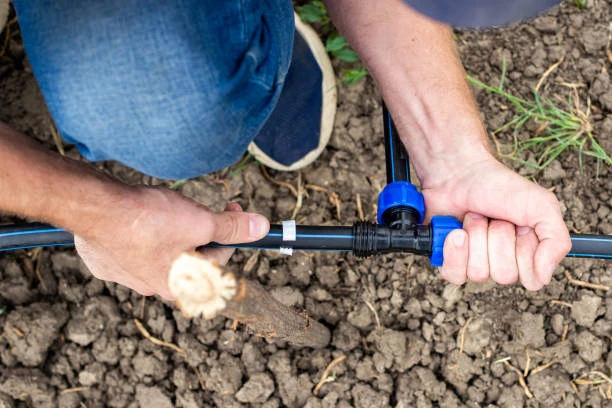
In agriculture, HDPE is used for irrigation systems and agricultural films. Its tensile and impact strength ensure that it can withstand the mechanical stresses found in agricultural environments. Plastic HDPE is used to transport water, while agricultural films provide protection for crops.
The material’s strength allows it to resist the pressures and stresses found in agricultural settings. It is resistant to chemicals and UV radiation, making it ideal for use in fields and greenhouses where exposure to the elements is common.
Construção
HDPE is used in construction for drainage systems, geotextiles, and protective barriers. Its compressive and flexural strength make it an ideal material for structural components. HDPE’s ability to resist deformation under pressure ensures that it remains functional in construction applications.
In drainage systems, Plastic HDPE can withstand external pressures from soil or traffic loads. In geotextiles, HDPE helps reinforce structures by providing resistance to mechanical stress. The material’s strength ensures long-lasting performance in construction projects.
Conclusão
The strength of HDPE is one of its most valuable characteristics. Its tensile, impact, and compressive strength make it suitable for a wide range of applications. HDPE’s versatility allows it to perform in both residential and industrial settings, offering durability and resistance to mechanical stress.
Manufacturers can adjust the material’s properties by modifying processing conditions and adding fillers. This customization ensures that HDPE performs optimally for specific applications. As industries continue to evolve, HDPE’s strength will remain a key factor in its widespread use. Its durability and resistance to stress make it an essential material in modern manufacturing and construction.
Norma internacional IFAN
Os produtos de PEAD da IFAN atendem a diversas normas internacionais, garantindo qualidade, durabilidade e confiabilidade. Essas normas incluem a ASTM D3035 e a ASTM D3350, que definem especificações para tubos e materiais de polietileno (PE). As séries ISO 4427 e EN 12201 estabelecem referências globais para tubos de PE utilizados em sistemas de abastecimento de água. Além disso, as normas DIN 8074/8075 e GB/T 13663 estabelecem requisitos de desempenho e dimensões para tubos de PEAD nos mercados europeu e chinês. Outras normas reconhecidas, como a AS/NZS 4130 (Austrália/Nova Zelândia), JIS K6760 (Japão), BS 6572 (Reino Unido) e CSA B137.1 (Canadá), demonstram ainda mais o compromisso da IFAN em atender às regulamentações do setor em todo o mundo.
Contato
A IFAN é uma fabricante profissional com 30 anos de experiência, dedicada à produção de tubos, conexões e válvulas de plástico de alta qualidade. Nossos produtos incluem válvulas de latão, válvulas de PPR, além de diversos tubos e conexões para atender às diferentes necessidades dos clientes. Seja para tubos de encanamento e drenagem ou válvulas, a IFAN oferece uma gama diversificada de produtos de alta qualidade e custo-benefício para apoiar seus projetos. Abaixo, você encontra nossos dados de contato.
Responderemos seu e-mail ou fax em até 24 horas.
Você pode nos ligar a qualquer momento caso tenha alguma dúvida sobre nossa produção.
Para mais informações, visite nosso site https://www.ifanplus.com/
Por favor, envie um e-mail para: [email protected]
Whatsapp: + 86 19857948982























