


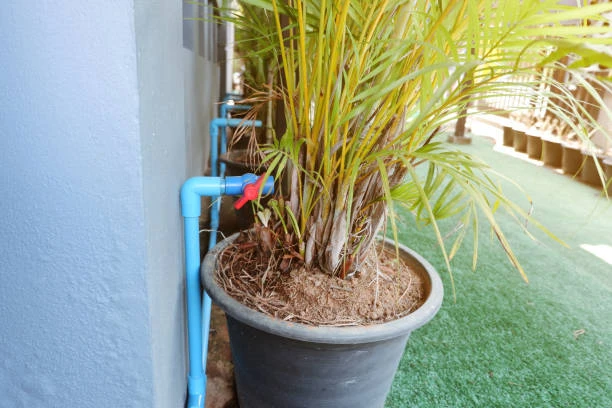
Válvulas de esfera de plástico PVC have become a cornerstone in fluid handling systems due to their versatility, cost-effectiveness, and reliable performance. Among the many critical aspects to consider when selecting valves, stability stands out as a fundamental attribute. Stability refers to a valve’s ability to maintain its functional integrity, performance, and safety under varying operating conditions over time. For PVC plastic ball valves, stability encompasses mechanical strength, chemical resistance, thermal endurance, and operational reliability.
This article delves into the multifaceted nature of stability in PVC plastic ball valves. We will explore how the valve’s materials, design, and construction contribute to stability. Additionally, we will analyze external factors affecting stability and provide practical guidance on installation and maintenance to preserve valve performance. Understanding stability ensures better decision-making and extends the service life of PVC ball valves in various applications.
What Does Stability Mean in the Context of PVC Plastic Ball Valves?
Stability in PVC plastic ball valves can be understood as the ability of the valve to consistently perform its intended function without failure or degradation over time. This includes:
- Mechanical Stability: Resistance to physical stress, pressure fluctuations, and wear.
- Estabilidade química: Resistance to corrosion, degradation, and chemical attack.
- Estabilidade térmica: Ability to withstand temperature variations without deformation or loss of properties.
- Operational Stability: Consistent valve operation without leakage, sticking, or malfunction.
Together, these aspects define the overall reliability and durability of the valve under real-world conditions.
Mechanical Stability
Material Strength of PVC
Polyvinyl chloride (PVC) used in these valves offers a balanced combination of strength and flexibility. Its inherent toughness allows PVC valves to withstand internal pressures typically found in residential, commercial, and irrigation systems. However, PVC is less strong than metal, so valve designs compensate by optimizing wall thickness and internal support structures.
Design Factors Enhancing Mechanical Stability
Manufacturers improve mechanical stability by designing ball valves with reinforced bodies and robust sealing mechanisms. For example, ribs or thickened sections in the valve body prevent deformation under pressure. The ball itself is precisely machined for tight sealing and smooth rotation, reducing wear.
Pressure Ratings and Stability
PVC ball valves usually come with specified pressure ratings, often expressed as PSI (pounds per square inch) or bar. Operating within these ratings is essential to maintain mechanical stability. Exceeding pressure limits can cause cracking, leaks, or catastrophic failure.
Resistência ao impacto
Though PVC is generally impact resistant, extreme shocks or accidental impacts during handling or installation can affect valve stability. Careful transportation and proper installation mitigate this risk.
Estabilidade Química
Resistência à corrosão
One of the primary advantages of PVC plastic ball valves is their excellent chemical stability. PVC resists corrosion caused by water, many acids, bases, salts, and other chemicals commonly encountered in industrial and agricultural applications.
Compatibility with Fluids
The chemical compatibility of PVC with the transported fluid ensures the valve does not degrade or leach harmful substances. This makes PVC valves suitable for potable water systems and some chemical processes.
Avoiding Chemical Degradation
Despite its broad chemical resistance, PVC may be attacked by certain solvents or high concentrations of chemicals. Therefore, selecting PVC valves requires matching the valve’s chemical resistance profile to the application’s fluid.
Estabilidade Térmica
Temperature Limits of PVC Valves
PVC plastic ball valves have specific temperature limits, typically ranging from 0°C to around 60°C (32°F to 140°F). Within this range, PVC maintains structural integrity and dimensional stability.
Effects of Temperature Variations
Exposure to temperatures above the rated range can cause softening, warping, or accelerated aging of PVC. Conversely, very low temperatures may make PVC brittle and prone to cracking under stress.
Designing for Thermal Stability
Valve designs often include features to compensate for thermal expansion or contraction, such as flexible seals and allowances for dimensional changes. Additionally, PVC ball valves intended for warmer climates may use specially formulated PVC compounds.
Operational Stability
Consistency in Valve Function
Operational stability means that the valve consistently opens and closes smoothly without sticking or leaking. This depends on precise manufacturing tolerances and quality sealing materials.
Wear Resistance
Seals and seats inside the valve experience wear due to repeated operation and fluid flow. High-quality elastomers used in PVC ball valves improve wear resistance, enhancing operational stability.
Resistance to Leakage
The ability of the valve to maintain a tight seal prevents leaks that could compromise system integrity. Proper design, such as double O-ring seals, enhances leakage resistance.
Impact of Frequent Operation
Frequent cycling of the valve requires materials and design that prevent fatigue. PVC ball valves generally perform well under moderate cycling but may need inspection in high-use scenarios.
Factors Affecting Stability
Several external factors can influence the stability of PVC plastic ball valves.
Exposição UV
Prolonged exposure to ultraviolet (UV) rays from sunlight can degrade PVC, causing discoloration and brittleness. To maintain stability, UV-resistant coatings or protective housings are recommended for outdoor installations.
Estresse mecânico
Improper installation causing excessive mechanical stress on the valve or connected piping can reduce stability. Proper support and alignment during installation help mitigate this.
Chemical Environment
Exposure to incompatible chemicals or fluctuating chemical concentrations can damage the valve over time, reducing chemical and mechanical stability.
Temperaturas extremas
As mentioned, exposure beyond rated temperature limits affects thermal and mechanical stability. Insulation or shading can protect valves in extreme climates.
Advantages of PVC Ball Valves’ Stability
PVC plastic ball valves offer distinct stability-related benefits:
- Resistência à corrosão: Unlike metal valves, PVC resists rust and chemical corrosion, ensuring longer life.
- Lightweight Durability: Their lighter weight does not compromise strength, making them stable yet easy to handle.
- Desempenho consistente: PVC valves maintain sealing integrity and smooth operation across various conditions.
- Cost-Effective Reliability: Stable performance at lower cost compared to metal valves.
Installation Tips to Ensure Stability
Proper installation is crucial for maintaining valve stability.
- Follow Manufacturer’s Guidelines: Adhere to specified torque limits and pressure ratings.
- Ensure Proper Alignment: Avoid bending or misalignment stresses.
- Use Suitable Support: Pipe supports near valves prevent stress from vibrations or weight.
- Protect Against UV: Use shades or covers for outdoor valves.
- Check for Chemical Compatibility: Confirm valve materials suit the fluid.
Maintenance Practices to Preserve Stability
Regular maintenance enhances valve stability and longevity.
- Periodic Inspection: Check for cracks, leaks, discoloration, or stiffness.
- Clean Internals: Remove debris that may affect sealing or operation.
- Lubricate Moving Parts: Use compatible lubricants recommended by manufacturers.
- Replace Seals as Needed: Wear on seals impacts leakage resistance.
- Avoid Over-Torquing: Use proper tools to prevent mechanical damage.
Common Issues Impacting Stability and How to Address Them
Leakage
Leakage usually results from worn seals, cracks, or improper installation. Replacing seals and checking installation integrity restores stability.
Sticking or Hard Operation
Accumulated debris or seal damage can cause the valve to stick. Cleaning and lubrication often resolve this.
Cracking or Brittleness
Often caused by UV exposure or temperature extremes. Using UV protection and avoiding temperature limits helps prevent damage.
Chemical Attack
Incompatible fluids degrade PVC. Always verify fluid compatibility before installation.
Emerging Trends and Innovations in Valve Stability
Manufacturers are continually improving the stability of PVC plastic ball valves through:
- Enhanced Material Formulations: New PVC blends offer better temperature and UV resistance.
- Improved Sealing Technologies: Advanced elastomers increase wear resistance and leakage protection.
- Automation Integration: Actuated PVC valves with position feedback improve operational stability.
- Environmental Resistance: Coatings and additives extend service life in harsh environments.
Conclusão
Stability is a critical factor that defines the performance and reliability of PVC plastic ball valves. It involves multiple dimensions, including mechanical strength, chemical and thermal resistance, and operational consistency. PVC valves provide excellent stability for many fluid control applications when used within their design limits and maintained properly.
By understanding the factors influencing stability and implementing good installation and maintenance practices, users can maximize the lifespan and effectiveness of PVC ball valves. Continuous innovation in materials and design further enhances valve stability, making PVC ball valves a dependable choice for residential, commercial, agricultural, and light industrial fluid systems.
Norma internacional IFAN
Os produtos IFAN atendem a uma ampla gama de normas internacionais, garantindo qualidade e confiabilidade em diferentes mercados. Essas normas incluem ASTM D2846, DIN 8079/8080, ASTM F441/F441M SCH80, diversas especificações DIN, as normas da série GB/T 18993, AS/NZS 1477, CSA B137.6, NSF/ANSI 14 e TIS 17-2532/1131-2535. Essa ampla conformidade demonstra o compromisso da IFAN em atender aos requisitos globais e fornecer produtos que atendam aos mais rigorosos critérios de desempenho e segurança.
Contato
A IFAN é uma fabricante profissional com 30 anos de experiência, dedicada à produção de tubos, conexões e válvulas de plástico de alta qualidade. Nossos produtos incluem válvulas de latão, válvulas de PPR, além de diversos tubos e conexões para atender às diferentes necessidades dos clientes. Seja para tubos de encanamento e drenagem ou válvulas, a IFAN oferece uma gama diversificada de produtos de alta qualidade e custo-benefício para apoiar seus projetos. Abaixo, você encontra nossos dados de contato.
Responderemos seu e-mail ou fax em até 24 horas.
Você pode nos ligar a qualquer momento caso tenha alguma dúvida sobre nossa produção.
Para mais informações, visite nosso site https://www.ifanplus.com/
Por favor, envie um e-mail para: [email protected]
Whatsapp: + 86 19857948982























