


Modern piping systems demand both safety and durability. Polyvinyl chloride pipes offer exactly that. Their unmatched chemical stability, physical strength, and reliable performance make them the ideal choice for diverse applications—from residential plumbing to industrial flow systems.
Because these pipes combine safety and longevity, they continue to outperform many traditional materials. In this article, we will explore why polyvinyl chloride pipes remain one of the most trusted piping solutions in the world.
Polyvinyl Chloride Pipes: Questions and Answers
Perguntas Frequentes (FAQ)
Q1: Are polyvinyl chloride pipes safe for drinking water?
Yes, polyvinyl chloride pipes follow strict health standards. They do not release toxins and keep water clean.
Q2: How long do polyvinyl chloride pipes last?
These pipes usually last over with minimal maintenance. In many systems, they work efficiently for decades.
Q3: What makes polyvinyl chloride pipes safer than other options?
They resist chemicals, do not corrode, and maintain high flow quality without releasing harmful elements.
Essential Safety Features of Polyvinyl Chloride Pipes
Polyvinyl chloride pipes deliver consistent safety because of their physical composition and excellent manufacturing standards. Let’s take a closer look:
- Non-toxic material: They contain no lead or plasticizers that could contaminate fluids.
- No corrosion risk: These pipes do not react with water or chemicals. They stay stable under various conditions.
- Bacteria resistance: The smooth inner surface prevents bacteria buildup and biofilm formation.
- Thermal stability: They maintain their shape and structure under varying temperatures, ensuring secure operation.
- Leak-proof joints: Tight solvent-welded joints reduce the risk of contamination through leakage.
- Low reaction with chemicals: Most acids, salts, and alkalis do not affect the pipe’s structure or safety.
Because of these features, they maintain fluid quality while ensuring long-term protection for users and systems.
Long-Term Durability in Every Environment
Polyvinyl chloride pipes last longer because they resist most forms of damage. They perform reliably in harsh indoor and outdoor conditions. Key factors contributing to their durability include:
- Impact resistance: These pipes handle ground movement and minor impacts without cracking.
- UV resistance (with additives): Specially treated pipes endure sunlight in outdoor settings without degrading.
- Crack resistance: Their material structure resists stress fractures, especially under load or pressure.
- Low maintenance needs: Because they do not corrode or scale, they require fewer repairs and replacements.
- Aging resistance: Unlike metals or rubber, PVC maintains its shape and strength over time.
- Stable under pressure: They hold water pressure for decades, making them ideal for both supply and drainage.
Due to these advantages, they often outperform metal and concrete pipes in lifespan and reliability.
Common Uses of Polyvinyl Chloride Pipes
Polyvinyl chloride pipes serve a wide range of uses across different sectors. Their combination of safety and longevity makes them an excellent option in:
1. Drinking Water Networks
City water systems rely on them to deliver safe, uncontaminated water to homes and businesses. Their non-reactive nature keeps drinking water fresh.
2. Sanitary and Sewer Systems
Wastewater systems require pipes that resist chemical reactions and blockages. PVC pipes offer smooth walls and tight connections, preventing leaks and buildup.
3. Agricultural Water Supply
In fields and farms, these pipes transport clean water to crops. Their resistance to soil chemicals and UV light adds to their long-term value.
4. Industrial Liquid Transport
Factories often use polyvinyl chloride pipes to move non-flammable liquids and safe chemicals. Their structural integrity lowers the risk of system failure.
5. Ventilation Systems
These pipes can also carry air or low-pressure gases. Their rigidity and non-reactive surface keep airflow systems secure.
6. Underground Electrical Protection
PVC pipes shield wires from moisture and physical impact, keeping electrical systems safe for years.
Because of this versatility, polyvinyl chloride pipes support essential infrastructure in cities, farms, homes, and factories.
Tips for Selecting Long-Lasting Polyvinyl Chloride Pipes
To get the most from your piping system, choose the right type of polyvinyl chloride pipe for your application. Here’s how:
1. Know Your Pipe Types
Polyvinyl chloride pipes come in several types:
- PVC-U (unplasticized): Best for drinking water and high-pressure applications.
- PVC-C (chlorinated): Ideal for hot water systems and higher temperature tolerance.
- PVC-O (oriented): Used in heavy-duty systems requiring high strength and flexibility.
Each type fits specific uses, so match your system with the right pipe type.
2. Choose Certified Products
Look for pipes that meet international safety and durability standards such as ISO, ASTM, or NSF. These certifications ensure long-lasting performance.
3. Match Pipe Dimensions Correctly
Use the right pipe diameter and wall thickness based on flow needs and pressure. Larger systems need thicker, stronger walls for stable performance.
4. Check Material Additives
If you plan to install pipes outdoors, opt for UV-resistant options. For underground use, ensure pipes resist soil acidity and pressure.
5. Trust Established Manufacturers
Always work with suppliers who have a track record of producing reliable, high-quality polyvinyl chloride pipes.
By following these guidelines, you will ensure a safe, efficient, and long-lasting piping solution.
Proper Installation for Safe, Long-Term Results
Installation plays a big role in determining how long a piping system lasts. Here are some tips to help ensure long-term safety and performance:
- Clean all surfaces thoroughly: Remove dust, dirt, and oil from pipe ends and fittings before connecting.
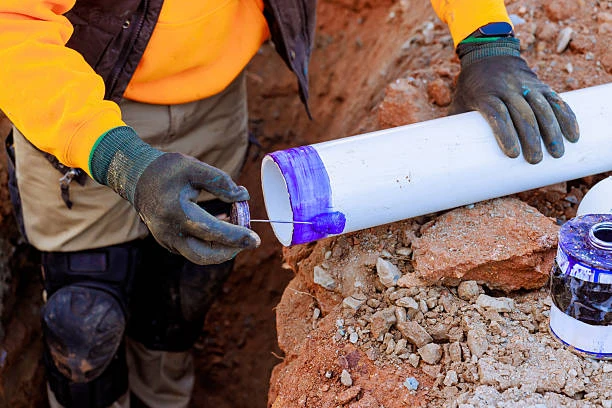
- Apply solvent cement evenly: Use the correct adhesive and apply it in a smooth, even layer for strong bonding.
- Align joints properly: Keep the pipe ends straight and well-fitted to avoid leaks and weak points.
- Avoid stress points: Use clamps and supports to prevent sagging or bending.
- Use gradual bends: Sharp curves increase stress and may shorten pipe life.
- Pressure test before use: Always test the full system after installation to ensure proper sealing.
When installed with care, they provide decades of reliable, safe operation.
Comparing Pipe Longevity Across Materials
Let’s compare polyvinyl chloride pipes with other popular piping materials based on their durability and safety:
| Recurso | Tubos de cloreto de polivinila | Tubos de cobre | Tubos de aço | Tubos de concreto |
|---|---|---|---|---|
| Vida útil | 50+ anos | 40– | 30–40 anos | 40–60 years |
| Resistência à corrosão | Excelente | Moderado | Pobre | Moderado |
| Estabilidade Química | Alto | Baixo | Muito baixo | Moderado |
| Health Safety | Excelente | Alto | Moderado | Moderado |
| Necessidades de manutenção | Muito baixo | Médio | Alto | Médio |
| Facilidade de instalação | Alto | Médio | Baixo | Baixo |
As you can see, polyvinyl chloride pipes score high across every key factor, especially safety and lifespan.
Environmental Responsibility and Safety
While made from synthetic material, polyvinyl chloride pipes can still align with environmental goals. Here’s how:
- Long life reduces waste: Fewer replacements mean less landfill material over time.
- Energy-efficient production: Modern PVC manufacturing uses less energy compared to metal pipe production.
- Recyclable material: Many manufacturers collect and reuse old polyvinyl chloride pipes.
- Safe for ecosystems: Properly installed pipes do not leach into soil or water sources.
In addition, PVC pipes for drinking water go through rigorous testing to ensure they do not release harmful chemicals into water supplies.
Conclusion: Safe, Strong, and Built to Last
Polyvinyl chloride pipes stand out because they offer both safety and long-term performance. Their chemical resistance, structural strength, and smooth flow ensure clean and efficient operation across all environments.
Whether you need to supply drinking water, manage wastewater, or move industrial fluids, they provide a dependable solution. They keep users safe, systems stable, and costs under control.
With proper selection and installation, these pipes will serve your needs reliably for decades. For safety, longevity, and peace of mind, polyvinyl chloride pipes remain the clear choice for modern infrastructure.
Contate o IFAN para catálogos e amostras
Precisa de documentos técnicos, catálogos ou amostras de produtos? Entre em contato com a IFAN hoje mesmo.
📧 E-mail: [email protected]
📱 Whatsapp: +86 19857948982
Nossa equipe responde rapidamente e fornece suporte profissional para todas as suas necessidades de pipeline.
Norma internacional IFAN
Os produtos de tubulação de PVC da IFAN são fabricados em conformidade com uma ampla gama de normas internacionais para garantir qualidade, compatibilidade e desempenho. Essas normas incluem BS 3505, BS 4346, ASTM D1785 SCH40 e SCH80, DIN 8061/8062, Série GB/T 10002, DWV, ASTM D2665, ASTM D2241, ASTM D2729, ASTM F441/F441M, Série ISO 1452, EN ISO 1452, AS/NZS 1477, JIS K6741, CSA B137.3, NSF/ANSI 14 e TIS 17-2532/1131-2535. Essas certificações refletem o compromisso da IFAN em fornecer sistemas de tubulação de alta qualidade adequados para mercados globais e uma variedade de aplicações, incluindo abastecimento de água, drenagem e sistemas industriais.























