


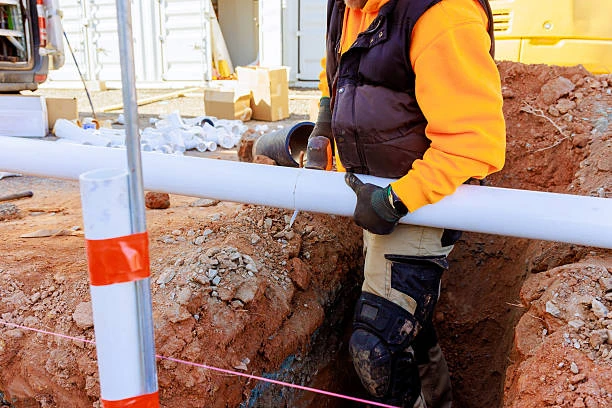
Polyvinyl chloride pipes have become a cornerstone in fluid transport solutions across multiple industries. Because of their reliable performance, cost efficiency, and adaptability, these pipes offer a trusted choice for applications ranging from residential plumbing to industrial systems. In this article, we will examine the technical properties of them, explore their typical uses, provide practical installation tips, and compare them with alternative piping materials.
Polyvinyl Chloride Pipes: Durable and Dependable
Perguntas Frequentes (FAQ)
Q1: What exactly are polyvinyl chloride pipes?
Polyvinyl chloride pipes, or PVC pipes, consist of a strong plastic polymer that manufacturers shape into tubes suitable for conveying liquids and gases. Their chemical composition ensures durability and resistance to environmental factors.
Q2: Where do polyvinyl chloride pipes commonly find use?
These pipes appear in water supply lines, drainage systems, irrigation networks, electrical conduits, and various industrial processes. Their wide-ranging applications reflect their versatile nature.
Q3: What benefits do polyvinyl chloride pipes provide compared to other materials?
They resist corrosion, maintain integrity under pressure, reduce installation time due to their light weight, and cost significantly less than metal piping. Additionally, their smooth interior surfaces promote efficient flow.
Technical Features of Polyvinyl Chloride Pipes
Manufacturers produce polyvinyl chloride pipes through a continuous extrusion process that guarantees uniform thickness and strength. Below, we summarize the main technical characteristics that make these pipes highly functional:
- Chemical resistance: PVC pipes withstand exposure to many chemicals, including acids, bases, and salts, which extends their useful life.
- Temperature tolerance: They perform reliably within a temperature range from 0°C up to 60°C without deformation.
- Lightweight construction: This feature facilitates easier transport, handling, and installation compared to heavier alternatives.
- Structural rigidity: While PVC pipes allow minor flexibility, they maintain sufficient stiffness to resist external loads and internal pressure.
- Non-conductive nature: PVC does not conduct electricity, enhancing safety for electrical conduit applications.
- Cost-effectiveness: They present an economical option without sacrificing performance or durability.
Because of these attributes, polyvinyl chloride pipes prove well-suited for a variety of fluid transport systems.
Typical Applications of Polyvinyl Chloride Pipes
1. Residential and Commercial Plumbing
In homes and commercial buildings, polyvinyl chloride pipes commonly carry potable water, wastewater, and venting gases. Their corrosion resistance prevents contamination and reduces maintenance requirements. Moreover, their smooth interior helps maintain consistent water pressure.
2. Irrigação Agrícola
Farmers rely heavily on PVC pipes for irrigation purposes, including drip and sprinkler systems. Their resistance to fertilizers and chemicals helps maintain pipeline integrity, while their ease of assembly allows quick deployment over large areas.
3. Industrial Processing
In industrial plants, polyvinyl chloride pipes transport non-corrosive fluids such as treated water and compressed air. Their resilience under moderate pressure reduces the likelihood of system failure and minimizes downtime.
4. Electrical Conduits
PVC pipes frequently serve as conduits for electrical wiring due to their insulating properties. They provide protection from moisture and mechanical damage, ensuring safety and reliability in wiring installations.
5. Laboratories and Healthcare Facilities
Because they resist chemical interaction, polyvinyl chloride pipes play a vital role in safely transporting gases and fluids within laboratories and medical centers. Additionally, their ease of cleaning supports stringent hygiene standards.
Practical Guide to Choosing Polyvinyl Chloride Pipes
1. Verify Pipe Dimensions
Always confirm the diameter and wall thickness of the PVC pipe meet your system requirements. Using pipes that deviate from specifications can cause leaks or reduce flow efficiency.
2. Select the Appropriate PVC Type
PVC pipes come in several variants:
- PVC-U (unplasticized): Most widely used due to rigidity and low cost.
- PVC-C (chlorinated): Designed for higher temperature applications.
- Flexible PVC: Rarely chosen for pressure piping but useful in certain niche uses.
In most cases, PVC-U fulfills standard installation demands perfectly.
3. Confirm Compliance with Standards
Choose pipes certified under international standards such as ASTM or ISO. These certifications guarantee that the pipes meet mechanical, chemical, and safety requirements.
4. Purchase Standard Lengths
Typically, polyvinyl chloride pipes are available in 3 to 6-meter lengths. Selecting these standard sizes simplifies cutting, reduces waste, and streamlines project timelines.
5. Source from Trusted Suppliers
Buying from reputable manufacturers ensures you receive quality products that perform consistently. Reliable suppliers often provide technical support and warranty services.
Installation Tips for Polyvinyl Chloride Pipes
- Avoid prolonged sun exposure: UV radiation can weaken PVC pipes. Therefore, use protective coatings or install in shaded areas when possible.
- Use the right adhesives: Always clean pipe surfaces before applying solvent cement to ensure strong, leak-proof joints.
- Maintain correct alignment: Align pipes carefully to prevent undue stress or cracking during installation.
- Use proper fittings: When changing pipe direction, employ elbows and connectors instead of bending pipes.
- Conduct pressure tests: Test the entire piping system for leaks before putting it into service.
Comparação com outros materiais de tubos
| Recurso | Tubos de cloreto de polivinila | Tubos de metal | Tubos PEX |
|---|---|---|---|
| Condutividade térmica | Baixo | Alto | Médio |
| Resistência à corrosão | Alto | Baixo | Alto |
| Facilidade de instalação | Alto | Baixo | Alto |
| Custo | Baixo | Alto | Médio |
| Service Life | 25– | 10– | 30– |
This table demonstrates how polyvinyl chloride pipes provide an excellent balance of durability, cost savings, and installation ease.
Conclusion and Recommendations
They deliver consistent, reliable flow across a broad spectrum of applications. Their lightweight construction, chemical resistance, and affordability position them as an outstanding option for residential, agricultural, industrial, and electrical projects.
For optimal results, always select certified pipes from trusted brands. Doing so guarantees long-lasting performance, ease of installation, and peace of mind for any fluid or electrical conduit system.
Contate o IFAN para catálogos e amostras
Precisa de documentos técnicos, catálogos ou amostras de produtos? Entre em contato com a IFAN hoje mesmo.
📧 E-mail: [email protected]
📱 Whatsapp: +86 19857948982
Nossa equipe responde rapidamente e fornece suporte profissional para todas as suas necessidades de pipeline.
Norma internacional IFAN
Os produtos de tubulação de PVC da IFAN são fabricados em conformidade com uma ampla gama de normas internacionais para garantir qualidade, compatibilidade e desempenho. Essas normas incluem BS 3505, BS 4346, ASTM D1785 SCH40 e SCH80, DIN 8061/8062, Série GB/T 10002, DWV, ASTM D2665, ASTM D2241, ASTM D2729, ASTM F441/F441M, Série ISO 1452, EN ISO 1452, AS/NZS 1477, JIS K6741, CSA B137.3, NSF/ANSI 14 e TIS 17-2532/1131-2535. Essas certificações refletem o compromisso da IFAN em fornecer sistemas de tubulação de alta qualidade adequados para mercados globais e uma variedade de aplicações, incluindo abastecimento de água, drenagem e sistemas industriais.























