


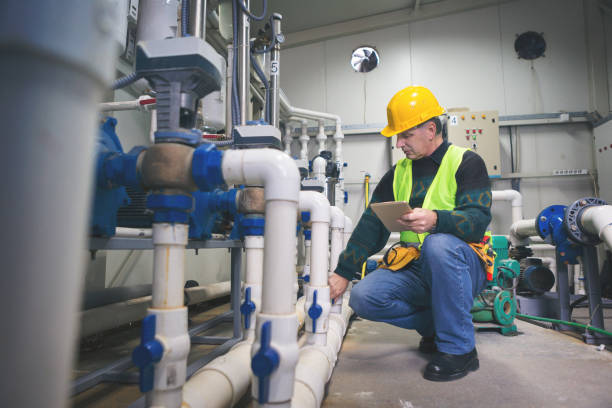
High temperature PPR pipe for industrial chemical transport comes in pressure ratings like PN10 and PN20, and choosing the right one prevents bursts, leaks, and costly downtime. This guide breaks down everything you need to know about PPR pressure classes—from wall thickness and temperature derating to real-world chemical applications. You’ll learn how PN20 high temperature PPR pipe for industrial chemical transport handles aggressive fluids at 110°C while PN10 serves lighter duties. Whether you’re designing a sulfuric acid transfer line or a hot water recirculation loop, these insights help you match rating to risk for maximum safety and efficiency.
Common Questions About PPR Pressure Ratings (FAQ)
Engineers and facility managers ask these five questions before selecting high temperature PPR pipe for industrial chemical transport.
- What does PN10 or PN20 actually mean?
PN stands for “Pressure Nominal.” PN10 handles 10 bar at 20°C, while PN20 manages 20 bar—both derate as temperature rises. - Can PN10 pipe ever replace PN20?
Only if operating pressure stays below 10 bar and temperature under 60°C. PN20 provides a safety margin for spikes and future expansion. - How much does temperature affect pressure rating?
At 95°C, PN20 derates to 5 bar, PN10 to 2.5 bar—always check the manufacturer’s pressure-temperature curve. - Do thicker walls mean heavier pipe?
Yes. PN20 (SDR 7.4) has 35–40% thicker walls than PN10 (SDR 11), increasing weight by about 30% per meter. - Is PN20 overkill for most applications?
No. The extra strength resists chemical stress cracking and mechanical damage in industrial environments.
What Is a PPR Pipe System? Definition and Features
PPR (Polypropylene Random Copolymer) pipe systems fuse plastic pipes and fittings into a monolithic network using heat. High temperature PPR pipe for industrial chemical transport uses enhanced PPR-CT resin with beta-crystals for 110°C service. Pressure ratings—PN10, PN16, PN20—come from wall thickness (SDR ratio). Key features include:
- Pressure-Specific Design: PN20’s thicker walls (e.g., 4.1 mm for 32 mm pipe) withstand double the force of PN10 (2.9 mm).
- Resistência química: Both ratings resist acids, bases, and solvents—no corrosion or pitting.
- Thermal Fusion: Joints reach 100% pipe strength in 5–10 seconds at 260°C.
- Smooth Flow: 0.1 μm inner roughness maintains laminar flow and pump efficiency.
- Leve: Even PN20 63 mm pipe weighs only 1.9 kg per meter—far less than steel.
These traits make PPR the modern choice for pressure-critical systems.
Usos comuns e aplicações industriais
High temperature PPR pipe for industrial chemical transport serves diverse pressure and temperature needs:
- PN10 Applications: Cooling water return, low-pressure air lines, and dilute chemical feed (under 60°C).
- PN20 Applications: Hot acid transfer (80–110°C), caustic circulation, and high-pressure steam condensate.
- Processamento de alimentos: CIP lines at 95°C (PN20) vs. cold rinse lines (PN10).
- Pharmaceutical: Pure steam distribution (PN20) and RO water supply (PN10).
- Geothermal: Brine loops at 100°C+ require PN20’s margin of safety.
Each rating matches risk to cost for optimal performance.
How to Choose the Right PPR Pressure Rating: Buying Guide
Specifying high temperature PPR pipe for industrial chemical transport prevents failures. Focus on these factors:
- Operating Conditions: Calculate max pressure and temperature—add 50% safety factor for surges.
- SDR Class: PN10 = SDR 11, PN20 = SDR 7.4—check printed markings every meter.
- Material Grade: Require PPR-CT for 110°C service; standard PPR tops out at 95°C.
- Codificação de cores: Gray or dark green signals industrial grade; avoid light colors for potable water.
- Diameter Range: Match flow velocity (0.5–2 m/s)—larger PN20 pipes reduce pressure drop.
- Certificação: Verify ISO 15874 Class 5 and chemical compatibility reports.
- Supplier Data: Demand pressure-temperature charts and fusion procedure manuals.
These details ensure your system runs safely at peak loads.
Installation Tips for PPR Pressure-Rated Pipes
Installing high temperature PPR pipe for industrial chemical transport follows standard fusion with pressure-specific care:
- Plan Supports: Space PN20 clips every 1 meter, PN10 every 1.2 meters—thicker walls need tighter spacing.
- Cut Precisely: Use battery-powered PPR cutters—square ends prevent weak joints.
- Fusion Timing: Heat PN20 32 mm pipe for 8 seconds (vs. 5 seconds for PN10) due to thicker walls.
- Cool Completely: Wait 10 minutes before moving PN20 joints—rushing causes cracks.
- Teste de pressão: Hydrotest PN20 at 30 bar, PN10 at 15 bar for 2 hours—inspect every fusion.
- Flush Thoroughly: Circulate neutralizer for 24 hours before chemical service.
- Rotule claramente: Tag PN rating, media, and test date on every section.
- Document Everything: Photograph joints and log fusion parameters for audits.
These steps lock in pressure integrity from day one.
PPR PN10/PN20 vs. Other Materials: A Comparison
See how high temperature PPR pipe for industrial chemical transport measures up:
| Recurso | PPR PN20 | PPR PN10 | Stainless Steel 316 | PVDF |
|---|---|---|---|---|
| Max Pressure (20°C) | 20 barras | 10 bar | 100+ bar | 16 bar |
| Temperatura Máxima | 110°C (PPR-CT) | 95°C | 150°C | 140°C |
| Wall Thickness (32 mm) | 4.1 mm | 2.9 mm | 2.0 mm | 3.5 mm |
| Resistência química | Excelente | Excelente | Good (pitting risk) | Outstanding |
| Weight (32 mm, 6 m) | 3.6 kg | 2.7 kg | 12 kg | 5 kg |
| Joint Method | Heat fusion | Heat fusion | TIG welding | Heat fusion |
| Cost per Meter (32 mm) | $4–$6 | $2.50–$4 | $35–$50 | $25–$40 |
| Lifespan (Chemical) | 25– | 25– | 15–25 years | 20–40 years |
PN20 offers the best balance of pressure, heat, and cost for demanding service.
Conclusão
High temperature PPR pipe for industrial chemical transport in PN10 and PN20 ratings gives engineers precise control over pressure, temperature, and budget. PN20’s robust walls handle hot, aggressive fluids with room for surges, while PN10 serves lighter duties efficiently. Both deliver corrosion-free, leak-proof performance for decades. From caustic transfer to geothermal brine, the right pressure class eliminates risk without breaking the bank. For factory-direct PN20 and PN10 high temperature PPR pipes, visit IFAN’s California warehouse at 5332 Production Dr, Huntington Beach, CA 92649—your West Coast source for pressure-rated chemical transport solutions.
Connect
IFAN is a Chinese manufacturer of plastic pipes, fittings, and valves with of experience. If you’re interested in IFAN copper fittings, copper valves, plastic pipes, and fittings, please contact us. IFAN offers a variety of standard pipes to meet your specific needs. Learn more about IFAN’s wide range of affordable and cost-effective valve products and piping system-related products.
We will reply to your email or fax within 24 hours. You can call us at any time if there is any question about our production.
Para mais informações, visite nosso site https://www.ifanplus.com/
Por favor, envie um e-mail para: [email protected]
Whatsapp: + 86 19857948982























