


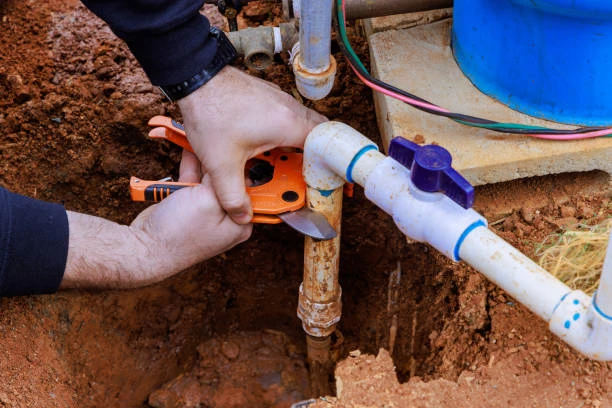
Cortadores de PVC are essential tools in plumbing, construction, and various home improvement projects. These tools offer a straightforward way to cut PVC pipes with precision. However, operating a PVC cutter requires attention to safety to prevent injuries and maintain efficiency. Understanding and implementing safe practices ensures effective use while protecting users from potential hazards.
Recognizing the Importance of Safety
Safety plays a significant role in using PVC cutters. Improper handling can lead to injuries, such as cuts, pinched fingers, or repetitive strain. Recognizing these risks helps users develop habits that reduce accidents and ensure smooth operations. Beyond personal safety, proper use also protects the tool, ensuring it remains functional for future projects.
Preparing for Safe Operation
Preparation lays the foundation for safe PVC cutters use. Following a few essential steps before starting any task can make a significant difference.
- Inspect the Tool
Examine the PVC cutter for any signs of damage or wear. Look for dull blades, loose components, or cracks in the handle. A well-maintained tool reduces the risk of malfunction during use. Replace blades or repair parts as necessary. - Wear Protective Gear
Equip yourself with protective gloves and safety glasses. Gloves protect hands from accidental cuts, while glasses shield eyes from debris that may fly off during cutting. These precautions keep users safe even in challenging work environments. - Choose the Right Cutter
Select a cutter designed for the pipe’s diameter and material. Using an incorrect tool increases the effort needed and raises the likelihood of accidents. Ensure the cutter matches the specifications of the job. - Secure the Work Area
Clear the workspace of unnecessary clutter. Keep the cutting area well-lit and stable to maintain control. A clean environment reduces distractions and enhances focus.
Operating the PVC Cutter Safely
Once prepared, following proper operational techniques ensures safety and effectiveness. Every step contributes to achieving a clean cut while minimizing risks.
- Position the Pipe Securely
Hold the PVC pipe firmly or place it in a vise to prevent movement during cutting. Movement can lead to uneven cuts and increase the chance of slipping, which may result in injuries. - Grip the Cutter Properly
Use both hands if needed, and maintain a firm but comfortable grip on the handles. Improper grip can cause the cutter to slip, especially when applying pressure to thicker pipes. - Align the Blade Correctly
Position the blade at the exact point where the cut needs to be made. Ensure it remains perpendicular to the pipe for a straight, clean cut. Misalignment may damage the pipe and require additional effort to correct. - Apply Controlled Pressure
Use steady and controlled pressure while closing the handles. Avoid rushing or forcing the tool, as excessive force can lead to uneven cuts or damage to the cutter. Ratcheting cutters make this process easier by incrementally increasing pressure. - Monitor Blade Movement
Watch the blade’s progress closely and adjust your grip as needed. Ensure the blade follows the intended path without veering off, which helps maintain accuracy and reduces the chance of accidents. - Complete the Cut Smoothly
Finish the cut with consistent pressure, avoiding jerky or sudden movements. A smooth cut ensures precision and prevents damage to the pipe’s edges.
Addressing Common Hazards
Awareness of common hazards associated with PVC cutters helps users avoid mistakes and injuries. These challenges often arise from carelessness or improper use.
- Blade Slippage
Slippage occurs when the blade moves off its intended path. Users can prevent this by aligning the cutter correctly and applying steady pressure throughout the cut. - Pinched Fingers
Fingers may get pinched between the handles during operation. Maintaining a firm grip and positioning hands properly prevents this painful occurrence. - Blade Dulling
Dull blades require extra force, increasing the risk of accidents. Regularly sharpening or replacing blades ensures consistent performance and reduces hazards. - Flying Debris
Small fragments of PVC can fly off during cutting, posing a risk to the eyes. Wearing safety glasses effectively mitigates this hazard.
Maintaining Safe Habits
Developing safe habits around PVC cutter use ensures long-term safety and efficiency. These practices support consistent results and protect users from harm.
- Store the Cutter Properly
Place the PVC cutter in a secure location after use, away from children or untrained individuals. A designated storage spot prevents accidental injuries. - Clean the Tool Regularly
Remove debris and residue from the cutter after each use. A clean tool performs better and reduces the risk of unexpected malfunctions. - Lubrifique as peças móveis
Apply lubricant to the pivot points and ratcheting mechanisms to maintain smooth operation. Well-lubricated parts minimize friction and enhance control. - Check for Wear Periodically
Regularly inspect the tool for signs of wear, such as loose screws or cracks. Addressing these issues promptly prevents potential hazards. - Siga as diretrizes do fabricante
Adhering to the instructions provided by the manufacturer ensures the cutter operates as intended. These guidelines often include specific safety recommendations.
Training and Skill Development
Proper training enhances user confidence and reduces risks associated with PVC cutter use. Beginners benefit significantly from understanding the tool’s mechanics and practicing basic techniques.
- Learn Tool Mechanics
Familiarize yourself with the cutter’s components and how they work together. Understanding the ratcheting mechanism or quick-release features aids in safe operation. - Practice on Scrap Materials
Before cutting actual pipes, practice on scrap PVC to refine your technique. This exercise builds confidence and reduces errors during real projects. - Seek Expert Guidance
Consult experienced professionals or instructional videos for tips on proper cutter use. Learning from others’ expertise accelerates skill development. - Stay Updated on Innovations
Stay informed about advancements in PVC cutter designs and features. Newer models often incorporate safety enhancements that simplify operation and reduce risks.
Handling Emergencies
Accidents can occur despite best efforts, and knowing how to respond minimizes their impact. Preparing for emergencies ensures users remain calm and act appropriately.
- Keep a First Aid Kit Nearby
Have a fully stocked first aid kit in the workspace to address minor injuries, such as cuts or abrasions, promptly. - Know Emergency Procedures
Familiarize yourself with emergency contact numbers and procedures in case of severe injuries. Quick action can prevent complications. - Educate All Users
Ensure everyone who uses the PVC cutter understands safety protocols and emergency responses. This knowledge creates a safer environment for all.
Conclusão
Safe operation of PVC cutters requires preparation, proper technique, and ongoing maintenance. By recognizing potential hazards and adopting protective measures, users ensure efficient and injury-free operation. Combining high-quality tools with responsible habits allows professionals and DIY enthusiasts to achieve precise cuts while maintaining safety in every project.
Principais fornecedores de cortadores de tubos de cobre
| nome da empresa | Sede/Localização | Ano de fundação |
| IFAN | Zhuji, China | 1993 |
| Grupo AVK | Dinamarca | 1941 |
| NIBCO | Indiana | 1904 |
| SIO | Cidade de Ningbo, China | 2009 |
| Emerson | EUA | 1890 |
Norma internacional IFAN
Os produtos IFAN atendem a uma série de normas reconhecidas internacionalmente, garantindo qualidade e desempenho em diversas aplicações. Entre elas, estão as normas da série ISO 15874, que descrevem as especificações para sistemas de tubulação de plástico; as normas da série EN 15874, que abrangem os requisitos para tubos e conexões de polietileno (PE) em sistemas de distribuição de água; a ASTM F2389, que define as normas para sistemas de tubulação de polietileno reticulado (PEX); a DIN 8077/8078, que abordam as dimensões e os testes de tubos de plástico; as normas da série GB/T 18742, que são as normas nacionais chinesas para tubos e conexões de plástico; e a NBR 15884, uma norma brasileira para sistemas de tubulação de PE e PEX. Essas certificações demonstram o compromisso da IFAN em fornecer produtos confiáveis e de alta qualidade em conformidade com os padrões globais da indústria.
Contato
A IFAN é uma fabricante profissional com 30 anos de experiência, dedicada à produção de tubos, conexões e válvulas de plástico de alta qualidade. Nossos produtos incluem válvulas de latão, válvulas de PPR, além de diversos tubos e conexões para atender às diferentes necessidades dos clientes. Seja para tubos de encanamento e drenagem ou válvulas, a IFAN oferece uma gama diversificada de produtos de alta qualidade e custo-benefício para apoiar seus projetos. Abaixo, você encontra nossos dados de contato.
Responderemos seu e-mail ou fax em até 24 horas.
Você pode nos ligar a qualquer momento caso tenha alguma dúvida sobre nossa produção.
Para mais informações, visite nosso site https://www.ifanplus.com/
Por favor, envie um e-mail para: [email protected]
Whatsapp: + 86 19857948982























