


Introdução
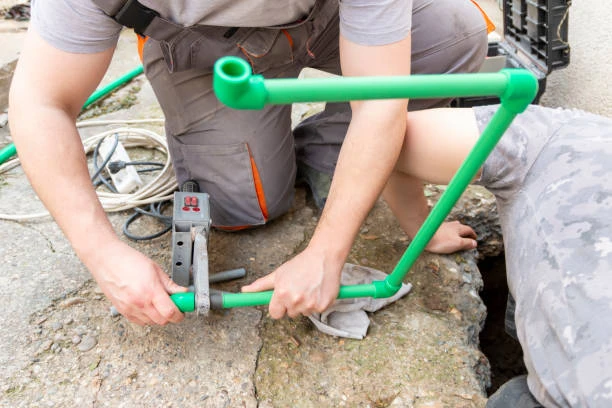
Tubulação de plástico Introdução A tubulação plástica desempenha um papel crucial na infraestrutura moderna, atendendo à crescente demanda por soluções de transporte de fluidos eficientes, duráveis e econômicas. Cidades, indústrias e residências exigem sistemas de tubulação confiáveis para distribuição de água, gestão de águas residuais, processos industriais e fornecimento de gás. O mercado global de tubulações plásticas continua a se expandir à medida que a urbanização, a industrialização e os avanços tecnológicos
Governments, businesses, and consumers seek alternatives to traditional metal pipes due to concerns about corrosion, maintenance costs, and installation complexity. Plastic pipes offer a lightweight, corrosion-resistant, and cost-effective solution, making them the preferred choice in many sectors. Analyzing the factors influencing market demand helps manufacturers, suppliers, and investors make informed decisions.
Key Factors Driving Market Demand
Several factors contribute to the increasing demand for plastic piping across various industries and applications.
- Urbanização e Crescimento Populacional
Expanding cities require extensive piping networks for water supply, drainage, and sewage management. Governments and real estate developers install plastic pipes in new residential and commercial buildings to meet the growing demand for reliable infrastructure. - Infrastructure Development Projects
Governments worldwide invest in infrastructure projects, including water distribution networks, road drainage systems, and industrial pipelines. Plastic pipes provide cost-effective solutions for large-scale projects, accelerating their adoption. - Industrial Expansion and Manufacturing Growth
Manufacturing plants, chemical processing facilities, and power plants use plastic pipes for transporting water, chemicals, and gases. Industries require durable and corrosion-resistant piping solutions to ensure efficient operations. - Agricultural Irrigation Needs
Farmers rely on plastic piping systems to improve irrigation efficiency. Drip irrigation, sprinkler systems, and underground piping networks use PVC, HDPE, and PP pipes to ensure consistent water supply to crops. - Technological Advancements in Plastic Materials
Innovations in plastic formulation and manufacturing techniques enhance the performance of plastic pipes. High-density polyethylene (HDPE), cross-linked polyethylene (PEX), and chlorinated polyvinyl chloride (CPVC) offer improved strength, flexibility, and resistance to extreme conditions. - Rising Demand for Clean and Safe Water Supply
Municipalities and households prioritize safe drinking water systems. Plastic pipes ensure clean water transportation without the risk of corrosion or contamination, making them ideal for potable water supply. - Cost Efficiency Compared to Metal Pipes
Plastic pipes offer a more affordable alternative to traditional metal pipes. Lower material costs, easier installation, and reduced maintenance expenses make plastic piping a cost-effective choice for various applications. - Environmental and Sustainability Considerations
Many governments and organizations promote sustainable building practices. Recyclable and eco-friendly plastic piping materials align with sustainability goals, increasing their market demand.
Plastic Piping Market Segments
Different types of plastic pipes serve various sectors, each with specific requirements and growth trends.
- Municipal and Residential Water Supply
Cities and households need reliable water supply networks. PEX, CPVC, and PVC pipes serve this sector due to their durability, non-toxic properties, and ease of installation. - Sistemas de águas residuais e drenagem
Sewer networks, stormwater management systems, and drainage pipes require durable, corrosion-resistant materials. Large-diameter PVC and HDPE pipes support high-volume water flow, reducing maintenance costs. - Aplicações Industriais
Factories and processing plants need chemical-resistant and high-temperature piping solutions. Polypropylene (PP), CPVC, and reinforced plastic pipes handle aggressive chemicals and extreme conditions. - Redes de Distribuição de Gás
Many countries use plastic pipes for natural gas distribution. HDPE pipes offer flexibility and leak resistance, ensuring safe and efficient gas transportation. - Sistemas de Irrigação Agrícola
Farmers need reliable piping networks to distribute water efficiently. Lightweight and flexible HDPE and PVC pipes provide cost-effective solutions for irrigation and water conservation. - Sistemas de proteção contra incêndio
CPVC pipes serve as a preferred choice for fire suppression systems. Their heat resistance and non-corrosive nature ensure long-term reliability. - Renewable Energy and Desalination Projects
The renewable energy sector uses plastic pipes for cooling systems and fluid transportation. Desalination plants rely on corrosion-resistant plastic piping for water treatment processes.
Regional Market Trends
Market demand for plastic piping varies by region due to economic growth, infrastructure development, and government policies.
- América do Norte
The United States and Canada invest heavily in replacing aging water supply infrastructure. The demand for corrosion-resistant plastic pipes continues to rise in municipal and residential sectors. - Europa
European countries focus on sustainable construction and energy-efficient water management systems. Strict environmental regulations drive the adoption of recyclable plastic piping materials. - Ásia-Pacífico
Rapid urbanization and industrial expansion fuel demand for plastic piping in China, India, and Southeast Asia. Large-scale infrastructure projects and government investments accelerate market growth. - Oriente Médio e África
Water scarcity issues drive demand for plastic piping in desalination and irrigation projects. Growing urban populations and energy sector investments contribute to market expansion. - América latina
Infrastructure development and agricultural needs influence market demand in Brazil, Mexico, and Argentina. Government-funded projects boost the adoption of plastic piping solutions.
Challenges Affecting Market Growth
Despite strong demand, the plastic piping market faces challenges that influence its growth.
- Fluctuating Raw Material Prices
The cost of raw materials, such as polyethylene and polyvinyl chloride, affects production costs. Market fluctuations impact pricing and profitability for manufacturers. - Concorrência de materiais alternativos
While plastic pipes dominate many markets, metal and composite pipes still compete in certain applications. Some industries prefer traditional materials for specific needs. - Environmental Concerns and Regulations
Governments regulate plastic use to address environmental pollution. Manufacturers invest in recycling technologies to align with sustainability goals and reduce waste. - Counterfeit and Low-Quality Products
The availability of substandard plastic pipes affects market trust. Strict quality control measures help ensure that only certified products reach consumers.
Future Market Opportunities
Innovation and strategic investments create new opportunities for growth in the plastic piping industry.
- Sistemas de tubulação inteligentes
Advanced sensors and IoT technology enhance monitoring and maintenance of plastic piping networks. Smart systems detect leaks and optimize water flow efficiency. - Recycled and Biodegradable Plastic Pipes
Research and development focus on sustainable materials. Recyclable and biodegradable plastic pipes align with global environmental goals. - Expansão em Mercados Emergentes
Developing countries require extensive infrastructure improvements. Investments in water supply and industrial development drive demand for plastic pipes. - New Applications in Healthcare and Biotechnology
Medical and pharmaceutical industries use plastic piping for sterile fluid transportation. High-purity plastic pipes serve specialized applications in hospitals and laboratories. - Hybrid Piping Solutions
Manufacturers develop reinforced plastic pipes with enhanced durability. These innovations create hybrid solutions that combine plastic flexibility with metal strength.
Conclusão
The global demand for plastic piping continues to grow due to urbanization, infrastructure projects, industrial expansion, and environmental considerations. Plastic pipes offer advantages such as corrosion resistance, cost-effectiveness, and easy installation, making them a preferred choice across multiple industries. Market trends indicate strong growth potential in municipal water supply, industrial applications, agriculture, and emerging technologies. Addressing challenges such as raw material price fluctuations and environmental concerns ensures sustainable market expansion. Companies investing in innovation, quality control, and sustainability will capitalize on the increasing demand for plastic piping solutions worldwide.
Norma internacional IFAN
Os produtos de PEAD da IFAN atendem a diversas normas internacionais, garantindo qualidade, durabilidade e confiabilidade. Essas normas incluem a ASTM D3035 e a ASTM D3350, que definem especificações para tubos e materiais de polietileno (PE). As séries ISO 4427 e EN 12201 estabelecem referências globais para tubos de PE utilizados em sistemas de abastecimento de água. Além disso, as normas DIN 8074/8075 e GB/T 13663 estabelecem requisitos de desempenho e dimensões para tubos de PEAD nos mercados europeu e chinês. Outras normas reconhecidas, como a AS/NZS 4130 (Austrália/Nova Zelândia), JIS K6760 (Japão), BS 6572 (Reino Unido) e CSA B137.1 (Canadá), demonstram ainda mais o compromisso da IFAN em atender às regulamentações do setor em todo o mundo.
Contato
A IFAN é uma fabricante profissional com 30 anos de experiência, dedicada à produção de tubos, conexões e válvulas de plástico de alta qualidade. Nossos produtos incluem válvulas de latão, válvulas de PPR, além de diversos tubos e conexões para atender às diferentes necessidades dos clientes. Seja para tubos de encanamento e drenagem ou válvulas, a IFAN oferece uma gama diversificada de produtos de alta qualidade e custo-benefício para apoiar seus projetos. Abaixo, você encontra nossos dados de contato.
Responderemos seu e-mail ou fax em até 24 horas.
Você pode nos ligar a qualquer momento caso tenha alguma dúvida sobre nossa produção.
Para mais informações, visite nosso site https://www.ifanplus.com/
Por favor, envie um e-mail para: [email protected]
Whatsapp: + 86 19857948982























