


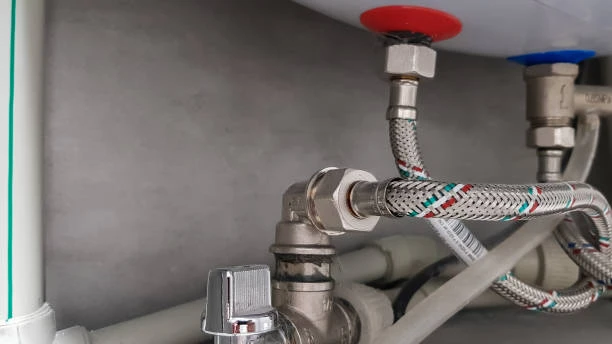
Flexible hoses play an essential role in industrial applications where high temperatures challenge the durability and performance of materials. Their ability to handle extreme heat without losing functionality makes them indispensable in industries like automotive, aerospace, chemical processing, and manufacturing. This article explores the design, materials, applications, and maintenance of high-temperature-resistant flexible hoses, focusing on their role in handling demanding thermal conditions.
The Importance of High-Temperature Resistance
High-temperature environments require components that can withstand thermal stress while maintaining structural integrity and operational efficiency. Flexible hoses with high-temperature resistance ensure safe and reliable performance in such conditions. They minimize risks like melting, bursting, or material degradation caused by exposure to heat, ensuring smooth operations in critical systems.
Key Features of High-Temperature Flexible Hoses
Heat-Resistant Materials
Manufacturers select materials that can endure prolonged exposure to extreme temperatures. Silicone, PTFE (polytetrafluoroethylene), and stainless steel excel in high-temperature applications.
- Silicone offers excellent flexibility and heat resistance, making it suitable for systems exposed to temperatures exceeding 200°C.
- PTFE, known for its non-stick properties, withstands temperatures as high as 260°C while resisting chemical attacks.
- Aço inoxidável handles both high heat and mechanical stress, providing unmatched durability and strength.
Thermal Insulation Layers
Some hoses include thermal insulation layers to reduce heat transfer to external surfaces. These layers protect surrounding equipment and personnel, ensuring safety in high-temperature systems.
Flexible Design
Despite their ability to handle high heat, these hoses retain flexibility. This flexibility allows easy installation in confined spaces and reduces stress on connections and fittings.
Pressure and Heat Balance
High-temperature hoses often endure significant pressure in addition to heat. The structural design balances these demands, ensuring performance without compromising safety.
Applications of High-Temperature Flexible Hoses
Automotive Industry
In automotive systems, high-temperature hoses transport fluids like coolant, oil, and exhaust gases. They maintain performance under the intense heat generated by engines and exhaust systems.
For example, turbocharger hoses deliver hot air efficiently from the turbo to the engine. Their ability to endure temperatures exceeding 200°C ensures engine efficiency and longevity.
Aerospace Applications
Aerospace systems use flexible hoses to manage fuel, hydraulic fluids, and air in extreme thermal environments. Aircraft engines and exhaust systems generate significant heat, requiring hoses that resist both high temperatures and pressure.
Processamento Químico
High-temperature hoses in chemical plants handle hot liquids, steam, and corrosive substances. PTFE-lined hoses resist heat and chemical reactions, ensuring safe and efficient fluid transfer.
Manufatura Industrial
Flexible hoses play a vital role in manufacturing equipment like furnaces, heat exchangers, and welding systems. They transport gases, oils, and coolants in high-temperature environments, ensuring consistent production processes.
Indústria de Alimentos e Bebidas
In food processing, high-temperature hoses convey steam and hot liquids used for cooking, cleaning, and sterilization. Their non-toxic and heat-resistant properties ensure hygiene and safety.
Design Considerations for High-Temperature Hoses
Material Selection
Choosing the right material ensures the hose can endure the intended temperature range. Engineers often pair heat-resistant inner tubes with durable outer layers for maximum performance.
For example, a PTFE inner tube combined with a stainless steel braid provides both thermal and mechanical strength.
Reforço
Reinforcement layers, such as steel wire braids or synthetic fibers, improve the hose’s ability to handle pressure while maintaining flexibility. These layers prevent deformation or rupture under extreme heat and stress.
Temperature Ratings
High-temperature hoses come with specified temperature ratings that define their operational limits. Selecting a hose with a temperature rating above the system’s maximum temperature ensures safety and longevity.
Length and Bending Radius
Proper hose length and bending radius reduce strain and enhance performance. Engineers design hoses to accommodate thermal expansion and prevent excessive bending near fittings.
Maintenance of High-Temperature Flexible Hoses
Inspeções regulares
Routine checks identify signs of wear, cracks, or damage caused by thermal stress. Replacing compromised hoses prevents failures and ensures system safety.
Armazenamento adequado
Storing hoses in controlled environments protects them from unnecessary thermal exposure. Keeping them away from direct sunlight or high heat preserves material properties.
Cleaning and Handling
Using appropriate cleaning methods removes residue or debris without damaging the hose. Gentle handling during installation or removal reduces the risk of wear or tears.
Monitoring Performance
Monitoring performance metrics like temperature and pressure helps identify potential issues early. Adjusting system parameters or replacing hoses as needed maintains efficiency and safety.
Advantages of High-Temperature Flexible Hoses
Segurança aprimorada
High-temperature hoses reduce risks by preventing heat-related failures. Their ability to withstand extreme conditions ensures the safety of both personnel and equipment.
Versatilidade
These hoses handle a wide range of fluids and gases, making them suitable for diverse applications. Their flexibility and durability enable use across multiple industries.
Longa vida útil
Durable materials and reinforced designs extend the lifespan of high-temperature hoses. Investing in high-quality hoses reduces replacement frequency and maintenance costs.
Eficiência Operacional
High-temperature hoses maintain consistent performance, even in challenging environments. Their reliability supports uninterrupted operations in critical systems.
Desafios e Soluções
Thermal Degradation
Prolonged exposure to extreme heat may cause material degradation. Using high-quality, heat-resistant materials mitigates this issue.
Flutuações de pressão
High-pressure conditions combined with heat can stress hoses. Reinforcement layers and proper fittings counteract these challenges effectively.
Compatibilidade
Some fluids or gases react with certain materials under high heat. Selecting chemically compatible materials ensures safe and efficient operation.
Installation Constraints
Tight spaces or complex systems may complicate hose installation. Flexible designs and customized lengths address these challenges.
Future Trends in High-Temperature Hose Design
Materiais Avançados
Innovations in material science continue to improve the heat resistance and durability of flexible hoses. Nanotechnology and composite materials promise enhanced performance in extreme environments.
Eco-Friendly Options
Sustainable materials and manufacturing processes align with global efforts to reduce environmental impact. Future hoses may incorporate biodegradable or recyclable components.
Smart Hoses
Integrating sensors into high-temperature hoses allows real-time monitoring of temperature, pressure, and wear. These advancements improve safety and maintenance efficiency.
Conclusão
High-temperature flexible hoses combine advanced materials, reinforcement, and design to meet the demands of extreme thermal environments. Their role in industries like automotive, aerospace, and manufacturing highlights their versatility and reliability. By focusing on proper selection, maintenance, and innovation, industries can continue to benefit from the unmatched performance of these essential components. Flexible hoses ensure safety, efficiency, and durability, proving indispensable in countless applications.
Norma internacional IFAN
As normas da IFAN incluem uma série de certificações e especificações internacionais, como ASTM 2846, DIN 8079/8080, ASTM F441/F441M SCH80, DIN, série GB/T 18993, AS/NZS 1477, CSA B137.6, NSF/ANSI 14 e TIS 17-2532/1131-2535, entre outras. Essas normas garantem a qualidade, a segurança e a confiabilidade dos produtos, alinhando-se aos requisitos globais de fabricação e desempenho. Ao aderir a essas normas, a IFAN garante que seus produtos atendam aos rigorosos padrões do setor, garantindo a satisfação do cliente e a conformidade com as diretrizes regulatórias em diversas regiões.
Contato
A IFAN é uma fabricante profissional com 30 anos de experiência, dedicada à produção de tubos, conexões e válvulas de plástico de alta qualidade. Nossos produtos incluem válvulas de latão, válvulas de PPR, além de diversos tubos e conexões para atender às diferentes necessidades dos clientes. Seja para tubos de encanamento e drenagem ou válvulas, a IFAN oferece uma gama diversificada de produtos de alta qualidade e custo-benefício para apoiar seus projetos. Abaixo, você encontra nossos dados de contato.
Responderemos seu e-mail ou fax em até 24 horas.
Você pode nos ligar a qualquer momento caso tenha alguma dúvida sobre nossa produção.
Para mais informações, visite nosso site https://www.ifanplus.com/
Por favor, envie um e-mail para: [email protected]
Whatsapp: + 86 19857948982























