


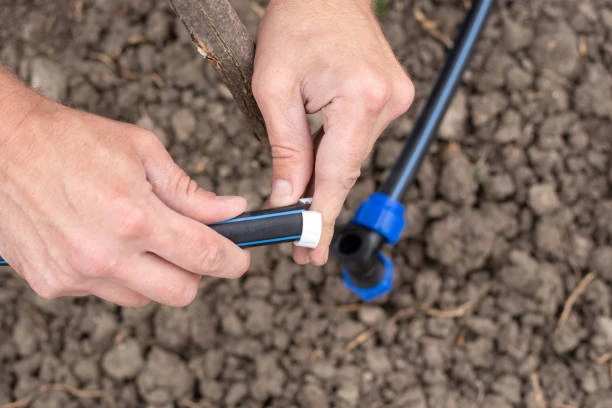
Polyethylene pipe fittings have significantly transformed modern pipeline technology. Among their many advantages, one quality stands out: flexibility. This attribute is not just a minor detail; it plays a critical role in enhancing durability, simplifying installation, reducing maintenance, and improving long-term performance. In the following article, we will explore the concept of flexibility in PE pipe fittings and why it is such a crucial factor in various piping applications.
Understanding PE Pipe Fittings
To begin with, it is essential to understand what PE pipe fittings are. These components, made from polyethylene, connect sections of PE pipes and allow the system to change direction, control flow, or branch out. Available in numerous shapes and sizes, they are widely used in water supply, gas distribution, agriculture, sewage systems, and industrial piping.
Moreover, PE pipe fittings are known for their corrosion resistance, lightweight structure, and chemical stability. However, beyond these qualities, their flexibility sets them apart from many other types of fittings.
What Does Flexibility Mean?
In piping systems, flexibility refers to the ability of a pipe or fitting to bend without breaking or deforming permanently. It allows the material to absorb movements, shifts, or external forces without damage. In other words, flexibility helps the system adapt to its environment, which is especially useful in dynamic conditions such as soil shifts or pressure changes.
This property is particularly relevant when comparing PE with traditional materials. For example, fittings made of metal or concrete are generally rigid and brittle under stress. On the contrary, PE fittings remain resilient and adaptable, even under similar conditions.
The Role of Flexibility in Seismic Zones
One of the most critical applications of flexible PE fittings is in seismic-prone areas. When an earthquake occurs, the ground can move rapidly and unpredictably. Traditional rigid pipelines may crack, break, or dislodge, leading to leaks and failures. On the other hand, PE fittings can bend and stretch slightly, allowing them to absorb seismic forces without sustaining damage.
Furthermore, this quality enhances public safety. Water and gas systems remain operational during and after seismic events, reducing the risk of emergencies and ensuring uninterrupted service.
Accommodating Ground Movement
In addition to seismic activity, ground movement due to soil expansion, erosion, or heavy loads can affect buried pipelines. Again, PE pipe fittings perform exceptionally well in these scenarios. Their ability to bend slightly means they can adjust to changes in soil structure without cracking or pulling apart.
Consequently, this reduces maintenance costs and minimizes downtime. Engineers and contractors often prefer PE systems in locations where unpredictable ground behavior is a concern.
Easier and Faster Installation
Another important advantage of flexible PE pipe fittings lies in their ease of installation. Unlike rigid materials that require precise alignment and detailed trenching, PE fittings can tolerate slight misalignments. This means workers can make adjustments on-site without delays or additional equipment.
Additionally, fewer fittings are needed because the pipes themselves can bend to fit the terrain. This not only saves time but also reduces labor and material costs. Especially in large-scale projects, these savings can be substantial.
Ideal for Trenchless Technologies
The flexibility of PE pipe fittings also makes them perfect for trenchless installation methods, such as horizontal directional drilling. These techniques involve pulling pipes underground without opening a trench along the entire route. In such applications, pipes must be able to bend and navigate curves and obstacles beneath the surface.
Rigid materials often cannot survive the stress of trenchless pulling. However, PE fittings perform reliably, enabling smoother, faster, and less disruptive installations.
Pressure Absorption and Water Hammer Reduction
Another reason why flexibility matters is its role in absorbing pressure changes. In fluid systems, pressure surges, commonly known as water hammer, can cause significant damage. When a valve closes suddenly, the resulting shock wave can crack pipes or dislodge joints.
Fortunately, PE pipe fittings can absorb and distribute this energy due to their elastic nature. This reduces the risk of failure and helps maintain system integrity. In essence, the flexibility of PE components acts as a built-in shock absorber for the pipeline.
Expansão e contração térmica
Pipes installed above ground or exposed to temperature changes must be able to expand and contract. If they cannot, stress builds up at the joints and walls, eventually causing leaks or fractures. PE fittings, thanks to their flexibility, can expand or contract slightly without compromising performance.
Therefore, they are ideal for regions with high temperature variability. Whether exposed to freezing winters or hot summers, PE systems continue to perform without the need for additional expansion devices.
Resilience in Cold Weather
Another benefit worth mentioning is the performance of PE pipe fittings in freezing temperatures. Many materials become brittle when cold, making them more likely to crack if the water inside freezes. However, PE remains ductile even in low temperatures.
As a result, if water does freeze within the system, the fittings can expand slightly to accommodate the increased volume. Once the ice melts, the fittings return to their original shape, preventing permanent damage.
Improved Joint Performance
Joint failure is a common issue in many piping systems, particularly when using rigid materials. Movement, pressure, or temperature changes place stress on joints, leading to leaks or breakage. With PE systems, the entire assembly, including the fittings, moves as a single unit.
Furthermore, modern PE fittings are often installed using fusion welding techniques, creating joints that are as strong and flexible as the pipe itself. This creates a seamless system, eliminating weak points and increasing reliability.
Durabilidade a longo prazo
The flexibility of PE pipe fittings contributes directly to their longevity. Systems that can absorb stress without breaking are less prone to fatigue. Over decades, this means fewer repairs, replacements, and service interruptions.
It is not uncommon for PE piping systems to last or more with minimal maintenance. This long service life makes them an excellent investment for municipalities, industries, and private developers alike.
Versatilidade no Design
Another advantage of flexible fittings is the increased design freedom they offer engineers and contractors. Pipes can be routed around obstacles, under structures, or across uneven terrain without complicated joints or fittings. This makes PE systems suitable for both new installations and retrofits.
Designing with flexible components also allows for creative solutions in limited spaces, such as urban environments, where avoiding existing infrastructure is essential.
Segurança e Confiabilidade
Flexibility contributes significantly to the overall safety and reliability of a piping system. In emergencies, such as floods or ground collapse, PE fittings are less likely to fail. They continue to perform under stress, reducing the risk of leaks, contamination, or loss of service.
This makes PE pipe fittings particularly valuable in critical systems, such as drinking water, natural gas, or firefighting infrastructure. The ability to rely on these systems in difficult conditions is essential.
Aplicações que dependem de flexibilidade
There are many applications where flexibility is not just useful but essential. For instance:
- In agricultural irrigation, pipes often cross large, uneven fields where rigid systems would be impractical.
- In coastal or marine environments, tides and waves exert dynamic forces that flexible systems can handle.
- In mining operations, pipelines must adapt to shifting ground and harsh conditions.
- In temporary or mobile installations, such as construction sites, flexible fittings simplify setup and removal.
In all these scenarios, the adaptability of PE fittings proves invaluable.
Benefícios ambientais
Using flexible PE pipe fittings also has environmental advantages. Because they allow for longer continuous runs and require fewer fittings, they reduce material usage. Installation with less trenching minimizes land disruption and preserves ecosystems.
Moreover, PE is recyclable, and its long life span reduces the need for frequent replacements. These factors make PE systems a more sustainable choice compared to many alternatives.
Eficiência de custos
Last but not least, the flexibility of PE fittings contributes to lower overall costs. From faster installation and reduced labor to fewer repairs and a longer life span, the financial benefits are clear. While the initial material cost may be similar or slightly higher than other options, the long-term savings are substantial.
This cost efficiency is particularly appealing to public utilities, developers, and industries working with tight budgets and long-term planning requirements.
Conclusão
In conclusion, the flexibility of PE pipe fittings is not a minor feature but a defining strength. It enhances safety, simplifies installation, reduces maintenance, and ensures consistent performance across a wide range of environments. Whether used in urban infrastructure, rural water systems, industrial plants, or agricultural fields, PE fittings deliver outstanding value and reliability.
With growing demand for resilient, efficient, and sustainable piping systems, flexible PE pipe fittings continue to prove their worth. They offer an intelligent solution to modern engineering challenges, meeting the needs of today while preparing for the demands of tomorrow.
Norma internacional IFAN
Os produtos de tubos de polietileno da IFAN atendem a uma ampla gama de normas internacionais para garantir qualidade, segurança e compatibilidade em mercados globais. Entre elas, estão ASTM D3035, ASTM D3350, série ISO 4427, série EN 12201, DIN 8074/8075, série GB/T 13663, AS/NZS 4130, JIS K6760, BS 6572 e CSA B137.1, entre outras. Essa conformidade abrangente reflete o compromisso da IFAN em fornecer soluções de tubulação confiáveis que atendam aos diversos requisitos técnicos de abastecimento de água, distribuição de gás e aplicações industriais em todo o mundo.
Contato
A IFAN é uma fabricante profissional com 30 anos de experiência, dedicada à produção de tubos, conexões e válvulas de plástico de alta qualidade. Nossos produtos incluem válvulas de latão, válvulas de PPR, além de diversos tubos e conexões para atender às diferentes necessidades dos clientes. Seja para tubos de encanamento e drenagem ou válvulas, a IFAN oferece uma gama diversificada de produtos de alta qualidade e custo-benefício para apoiar seus projetos. Abaixo, você encontra nossos dados de contato.
Responderemos seu e-mail ou fax em até 24 horas.
Você pode nos ligar a qualquer momento caso tenha alguma dúvida sobre nossa produção.
Para mais informações, visite nosso site https://www.ifanplus.com/
Por favor, envie um e-mail para: [email protected]
Whatsapp: + 86 19857948982























