


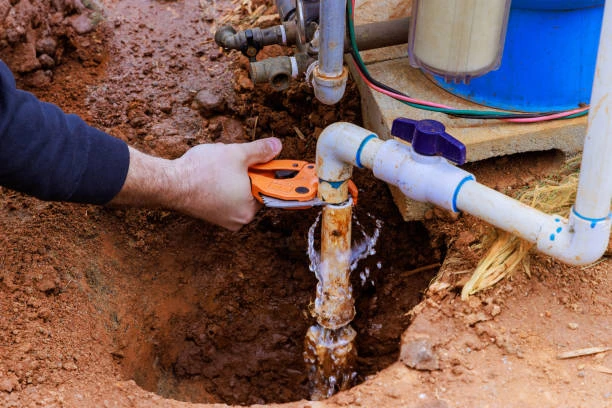
The demand for environmentally friendly tools has increased significantly. Cortadores de tubos now reflect this shift toward sustainability. Manufacturers emphasize eco-friendly designs, focusing on resource conservation, reducing harmful emissions, and ensuring sustainability throughout the product lifecycle. These efforts help reduce the environmental footprint of tubing cutters while offering efficient performance for users.
Sustainable Materials in Tubing Cutters
The materials used in tubing cutters play a key role in their environmental impact. Traditionally, metals and plastics dominated construction. However, today’s designs incorporate more sustainable materials. Manufacturers now use recycled aluminum alloys and plastics for the body and handles. These materials reduce the need for virgin resources, lowering environmental costs. Aluminum is lightweight, strong, and recyclable. Recycled plastics help divert waste from landfills, contributing to resource conservation.
Many tubing cutter designs focus on using fully recyclable materials. When the tool reaches the end of its lifecycle, it can be recycled, minimizing waste. Recycled materials also ensure that the cutters retain their strength and durability, making them viable for longer use. These approaches help reduce carbon emissions associated with manufacturing and disposal.
Energy-Efficient Manufacturing Processes
Manufacturing processes also influence the environmental impact of tubing cutters. More manufacturers use energy-efficient techniques to produce these tools. Energy consumption during production significantly affects the tool’s overall footprint. For example, some manufacturers utilize renewable energy sources like solar or wind power. These clean energy options reduce reliance on fossil fuels, lowering the carbon emissions associated with the production.
Additionally, automated manufacturing techniques optimize material usage, minimizing waste. Precision machining and improved processes ensure fewer resources are wasted. This efficient production method reduces energy consumption and lowers environmental impact. By adopting energy-efficient practices, manufacturers reduce the environmental burden of creating tubing cutters.
Eco-Friendly Packaging
Packaging contributes significantly to a product’s environmental footprint. Tubing cutter manufacturers are now designing packaging with sustainability in mind. In place of plastic blister packs, companies use recyclable materials like paperboard. These materials are easily recyclable and reduce plastic waste. Some manufacturers go further, opting for biodegradable or compostable packaging materials.
Eco-friendly packaging also reduces the weight and size of shipments, lowering shipping costs. Lighter packages decrease carbon emissions during transport, further reducing the tool’s overall environmental footprint. These packaging changes not only make the product safer for the planet but also align with consumer preferences for sustainable goods.
Durabilidade e Longevidade
Durability plays a crucial role in the sustainability of tubing cutters. Longer-lasting tools help reduce the need for frequent replacements. Manufacturers now focus on creating tubing cutters that withstand wear and tear over time. Tools made from high-carbon steel or titanium-coated blades are more durable and require fewer replacements.
Strong, long-lasting cutters also reduce the environmental impact of manufacturing new tools. The longer the tool lasts, the less often it contributes to waste. Fewer replacements mean fewer raw materials are needed, and fewer tools end up in landfills. These durable designs ensure a lower carbon footprint in the long run.
Tool Maintenance and Repairability
Repairable tubing cutters further reduce environmental waste. Tools designed with replaceable parts allow users to extend the cutter’s lifespan. Commonly replaced parts include blades, springs, and handles. This design philosophy encourages users to repair rather than replace their tools. Many manufacturers now offer repair kits, making it easier to maintain the cutters.
Repairable tools reduce the need for new resources. When a part is replaced, it ensures that the rest of the tool remains functional. This prolongs the overall lifespan of the cutter, preventing unnecessary waste. Repairability promotes sustainability by minimizing the consumption of raw materials.
Reducing Toxicity Through Design
Modern tubing cutters are designed with non-toxic materials. Many older models used coatings containing harmful chemicals like lead or cadmium. Today, manufacturers eliminate these harmful substances. Non-toxic coatings and finishes ensure the cutter is safe for both users and the environment.
Toxic-free materials reduce the environmental harm during the tool’s disposal. These materials do not release harmful chemicals when the tool is discarded. Tubing cutters made without toxic substances offer a cleaner, safer solution for both consumers and the planet. This shift towards non-toxic design contributes to overall environmental sustainability.
Conclusão
Environmental design in tubing cutters is evolving rapidly. Manufacturers prioritize sustainability by focusing on materials, manufacturing methods, and product longevity. Using recycled materials and energy-efficient processes helps reduce carbon footprints. Durable and repairable tools decrease waste, and non-toxic designs ensure safer products for users and the environment. With these innovations, tubing cutters contribute less to global waste and offer a more sustainable solution. As the demand for eco-friendly products continues, manufacturers will likely continue advancing the environmental design of tubing cutters. These changes help preserve resources while meeting the needs of consumers.
Norma internacional IFAN
Os produtos IFAN atendem a uma série de normas reconhecidas internacionalmente, garantindo qualidade e desempenho em diversas aplicações. Entre elas, estão as normas da série ISO 15874, que descrevem as especificações para sistemas de tubulação de plástico; as normas da série EN 15874, que abrangem os requisitos para tubos e conexões de polietileno (PE) em sistemas de distribuição de água; a ASTM F2389, que define as normas para sistemas de tubulação de polietileno reticulado (PEX); a DIN 8077/8078, que abordam as dimensões e os testes de tubos de plástico; as normas da série GB/T 18742, que são as normas nacionais chinesas para tubos e conexões de plástico; e a NBR 15884, uma norma brasileira para sistemas de tubulação de PE e PEX. Essas certificações demonstram o compromisso da IFAN em fornecer produtos confiáveis e de alta qualidade em conformidade com os padrões globais da indústria.
Contato
A IFAN é uma fabricante profissional com 30 anos de experiência, dedicada à produção de tubos, conexões e válvulas de plástico de alta qualidade. Nossos produtos incluem válvulas de latão, válvulas de PPR, além de diversos tubos e conexões para atender às diferentes necessidades dos clientes. Seja para tubos de encanamento e drenagem ou válvulas, a IFAN oferece uma gama diversificada de produtos de alta qualidade e custo-benefício para apoiar seus projetos. Abaixo, você encontra nossos dados de contato.
Responderemos seu e-mail ou fax em até 24 horas.
Você pode nos ligar a qualquer momento caso tenha alguma dúvida sobre nossa produção.
Para mais informações, visite nosso site https://www.ifanplus.com/
Por favor, envie um e-mail para: [email protected]
Whatsapp: + 86 19857948982























