


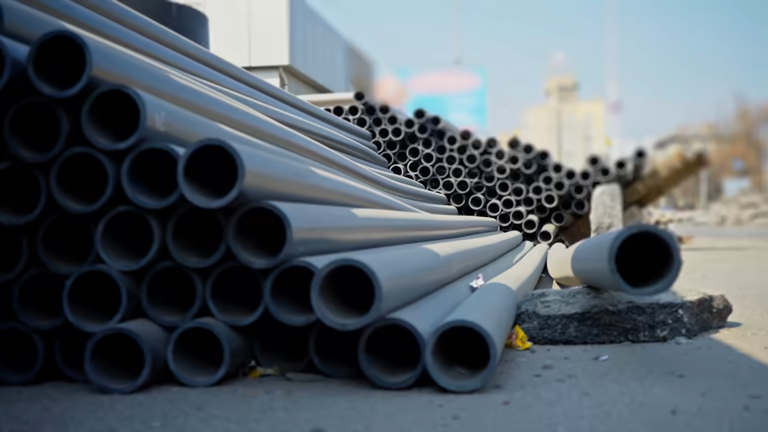
Managing water efficiently is one of the most important challenges in modern agriculture. Farmers and irrigation specialists constantly look for solutions that are durable, cost-effective, and easy to install. Irrigation HDPE pipe fits all these requirements perfectly. It provides reliable water supply, reduces maintenance, and adapts to a variety of farm layouts. With its flexibility and long lifespan, HDPE piping ensures consistent irrigation, which ultimately boosts crop growth and overall farm productivity. Choosing the right HDPE pipe system allows you to save both time and money while avoiding frequent repairs or replacements. For sourcing quality pipes and fittings, Plumbers & Irrigation Warehouse at Shop 9, Boundary Corner, Malibongwe Dr & Boundary Rd, Kya Sands, Roodepoort, Gauteng, 2169, offers a wide selection for farmers and irrigation experts. In this article, we will explore everything you need to know about irrigation HDPE pipes, including their benefits, applications, installation, and comparisons with other piping materials.
Perguntas Frequentes (FAQ)
- What is an irrigation HDPE pipe?
An irrigation HDPE pipe is a high-density polyethylene pipe designed to transport water efficiently in agricultural and horticultural irrigation systems. It can handle high pressures and withstand harsh environmental conditions. - How long do HDPE pipes last in irrigation systems?
HDPE pipes typically last more than 25 years if installed correctly. Their resistance to corrosion, chemicals, and UV light makes them a long-lasting solution for farms. - Are HDPE pipes suitable for uneven farmland?
Yes. HDPE pipes are flexible and can bend around obstacles without breaking. This makes them ideal for farms with hills, slopes, or irregular terrain. - Can HDPE pipes connect with other pipe types?
Yes, you can connect HDPE pipes to PVC, metal, or other existing systems using compatible fittings. Proper sealing and connections prevent leaks. - Do HDPE pipes require much maintenance?
Maintenance is minimal. Checking connections for leaks and occasionally flushing the system to remove sediment is usually sufficient.
Definição e principais características
Irrigation HDPE pipe is manufactured from high-density polyethylene, a type of plastic known for its durability and resistance to corrosion. The material is strong yet lightweight, making it easier to handle and install. HDPE pipes come in different diameters, wall thicknesses, and pressure ratings, which allows farmers to select the best option for their specific irrigation needs.
Some key features include:
- Durabilidade: Resistant to cracking, impact, and long-term wear.
- Resistência à corrosão: Does not rust or degrade when exposed to chemicals or moisture.
- UV resistance: Outdoor-grade HDPE pipes resist sunlight damage, extending lifespan.
- Smooth interior surface: Ensures efficient water flow with minimal friction losses.
- Flexibilidade: Can be bent to fit around obstacles or along curves without additional joints.
- Eco-friendly: Made from recyclable material and safe for agricultural use.
These features make HDPE pipes a preferred choice for modern farms that need consistent and efficient irrigation.
Usos e aplicações comuns
Irrigation HDPE pipes can be used in a variety of agricultural and water management systems:
- Drip irrigation: Delivers water directly to the plant roots, improving efficiency and reducing water waste.
- Sprinkler systems: Provides uniform water distribution for crops or lawns.
- Greenhouses: Supplies water reliably for controlled environment agriculture.
- Hydroponics: Used in nutrient solutions delivery systems for soilless farming.
- Water transfer: Moves water from wells, reservoirs, or rivers to irrigation points.
- Livestock watering systems: Provides safe and reliable water supply for animals.
Because of these applications, HDPE pipes are suitable for both small farms and large commercial operations.
Considerações sobre a instalação
Installing HDPE pipes is easier than most rigid pipes, but attention to detail is important:
- Plan the layout carefully: Measure the field, note slopes, and locate water sources.
- Prepare trenches: Avoid sharp rocks or debris that may damage the pipes. Smooth trenches ensure proper placement.
- Use correct fittings: Options include compression, butt-fusion, and electrofusion fittings for secure connections.
- Avoid tight bends: While HDPE pipes are flexible, sharp bends can weaken the pipe. Gradual curves work best.
- Test pressure: Before fully operating the system, pressurize it to check for leaks.
- Anchor pipes: Secure above-ground pipes to prevent shifting or sagging.
- Regular checks: Inspect for leaks, clean filters, and flush the system to maintain performance.
Following these installation tips helps maximize the lifespan and performance of your HDPE irrigation system.
Comparação com outros materiais de tubos
| Recurso | Tubo de PEAD | Tubo de PVC | Tubo de metal |
|---|---|---|---|
| Durabilidade | Alto | Moderado | High, but prone to rust |
| Flexibilidade | Excelente | Baixo | Baixo |
| Resistência à corrosão | Excelente | Moderado | Pobre |
| Resistência UV | Alto | Moderado | Baixo |
| Facilidade de instalação | Fácil | Moderado | Difícil |
| Custo | Moderado | Baixo | Alto |
| Vida útil | 25+ anos | 15-20 years | 10-15 years |
This table shows that HDPE pipes outperform other common materials in flexibility, corrosion resistance, and lifespan, which are critical factors for farm irrigation systems.
Conclusão
Efficient irrigation is essential for healthy crops and sustainable farming. Irrigation HDPE pipe offers a durable, flexible, and reliable solution for water delivery across farms of all sizes. Its long lifespan, resistance to corrosion, and minimal maintenance requirements make it an excellent investment for agricultural operations. Farmers and irrigation specialists looking for high-quality pipes can find excellent products at Plumbers & Irrigation Warehouse, Shop 9, Boundary Corner, Malibongwe Dr & Boundary Rd, Kya Sands, Roodepoort, Gauteng, 2169. By using HDPE pipes, you can ensure consistent water supply, improve crop yields, and reduce water wastage, ultimately contributing to more productive and sustainable farming practices.
Contato
A IFAN é uma fabricante profissional com 30 anos de experiência, dedicada à produção de tubos, conexões e válvulas de plástico de alta qualidade. Nossos produtos incluem válvulas de latão, válvulas de PPR, além de diversos tubos e conexões para atender às diferentes necessidades dos clientes. Seja para tubos de encanamento e drenagem ou válvulas, a IFAN oferece uma gama diversificada de produtos de alta qualidade e custo-benefício para apoiar seus projetos. Abaixo, você encontra nossos dados de contato.
Responderemos seu e-mail ou fax em até 24 horas.
Você pode nos ligar a qualquer momento caso tenha alguma dúvida sobre nossa produção.
Para mais informações, visite nosso site https://www.ifanplus.com/
Por favor, envie um e-mail para: [email protected]
Whatsapp: + 86 19857948982
Norma Internacional IFAN
Os produtos IFAN atendem a uma ampla gama de normas internacionais, garantindo segurança, confiabilidade e compatibilidade global. Entre elas, estão ASTM 2846, DIN 8079/8080, ASTM F441/F441M SCH80, diversas especificações DIN, normas da série GB/T 18993, AS/NZS 1477, CSA B137.6, NSF/ANSI 14, bem como TIS 17-2532/1131-2535. Ao atender a essas normas reconhecidas, a IFAN garante qualidade e desempenho consistentes em diferentes regiões e aplicações.























