


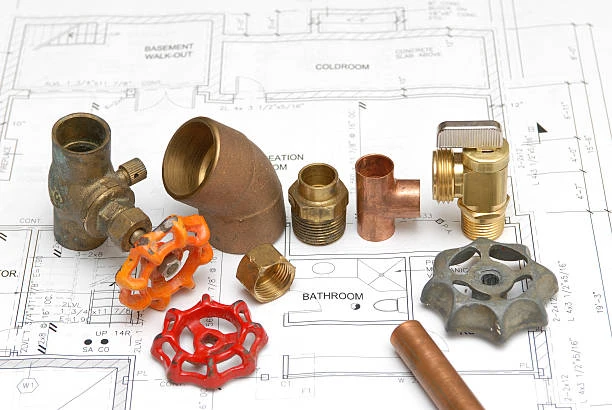
Introduction: Durable Solutions for Reliable Plumbing Systems
When it comes to building plumbing systems that stand the test of time, quality materials are essential. Copper plumbing fittings have long been recognized for their exceptional durability, strength, and resistance to corrosion. These fittings provide reliable connections that reduce maintenance needs and prevent costly leaks or failures. Whether for residential, commercial, or industrial use, copper fittings deliver performance and longevity unmatched by many alternatives. This article explores the key features of copper fittings, their uses, how to select the right ones, and why they truly are built to last.
Perguntas Frequentes (FAQ)
1. Why are copper plumbing fittings considered long-lasting?
Copper fittings resist corrosion, can withstand high pressure, and maintain their integrity over decades, making them highly durable.
2. Can copper fittings be used with other pipe materials?
Yes. Copper fittings can be joined to PEX or PVC using proper transition fittings to ensure secure, leak-free connections.
3. What types of copper fittings are available?
Common types include elbows, tees, couplings, reducers, and caps, each designed for specific pipe connections.
4. Are copper plumbing fittings safe for drinking water?
Absolutely. Copper is non-toxic and has natural antimicrobial properties that help maintain water quality.
5. How does copper compare to plastic fittings in durability?
Copper fittings generally last longer and perform better under high temperatures and pressure, though plastic fittings are easier to install.
What Are Copper Plumbing Fittings and Their Key Characteristics?
Copper plumbing fittings are components used to connect, redirect, or terminate copper pipes in fluid systems. Made from high-purity copper, these fittings are designed to provide secure, leak-resistant joints. They come in various shapes to suit different plumbing needs.
Key Characteristics of Copper Fittings
- Durabilidade: Copper offers superior mechanical strength and resistance to physical damage.
- Resistência à corrosão: Copper forms a protective oxide layer, preventing rust and degradation.
- Estabilidade Térmica: Copper withstands extreme temperature variations without losing integrity.
- Não-toxicidade: Safe for potable water systems with no harmful chemical leaching.
- Resistência ao fogo: Copper does not burn or emit toxic fumes, improving safety.
- Reciclabilidade: Copper is fully recyclable, supporting environmental sustainability.
These features make copper plumbing fittings a top choice for durable, safe plumbing systems.
Common Applications and Industries Using Copper Fittings
Copper plumbing fittings are widely used due to their versatility and reliability in multiple environments.
Encanamento Residencial
In homes, copper fittings are the standard for water supply lines, hot water systems, and gas lines, favored for their longevity and safety.
Edifícios comerciais
Hotels, schools, and hospitals rely on copper for plumbing systems that require consistent pressure, hygiene, and fire safety.
Configurações industriais
Factories and processing plants use copper fittings for high-pressure piping, heating systems, and fluid transport where durability is critical.
HVAC and Heating Systems
Copper’s excellent thermal conductivity makes it ideal for boilers, radiators, and radiant heating systems.
Sistemas de proteção contra incêndio
Copper fittings are used in sprinkler and fire suppression systems because of their fire-resistant properties.
These applications demonstrate the broad adoption of copper fittings across sectors requiring dependable plumbing solutions.
Buying Guide: How to Choose Durable Copper Plumbing Fittings
To maximize longevity and performance, consider these factors when selecting copper plumbing fittings.
1. Copper Grades
- Type K: Thickest wall, ideal for underground or heavy-duty systems.
- Type L: Medium thickness, commonly used for residential and commercial plumbing.
- Type M: Thinner wall, suitable for indoor, low-pressure systems.
2. Fitting Types
Select fittings based on plumbing design needs:
- Cotovelos for directional changes.
- Camisetas to split or join flow.
- Acoplamentos to connect straight pipe sections.
- Redutores to connect different pipe sizes.
- Bonés to seal pipe ends.
3. Connection Methods
- Soldered fittings: Use heat and solder to create permanent joints.
- Press-fit fittings: Require specialized tools for quick, reliable connections.
- Conexões de compressão: Useful for installations without soldering but generally less permanent.
4. Certifications and Standards
Look for certifications such as:
- NSF/ANSI 61 for drinking water safety.
- ASTM B88 compliance for copper tubing.
- UPC, CSA, or ISO approvals depending on regional building codes.
5. Inspection and Quality
Check fittings for:
- Smooth, defect-free surfaces.
- Proper manufacturer markings.
- Uniform wall thickness.
Quality control ensures fittings withstand stresses and maintain leak-free performance.
Why Copper Plumbing Fittings Are Built to Last
Copper plumbing fittings’ reputation for durability comes from several inherent advantages:
Resistance to Corrosion and Wear
Copper naturally develops a protective patina that shields it from corrosion. This protects fittings from rust and chemical damage, even in moist or harsh environments.
Strength Under Pressure
Copper fittings maintain structural integrity under high water pressure, preventing leaks and ruptures that compromise plumbing systems.
Thermal and Fire Resistance
Copper withstands extreme heat without warping or melting. This stability protects joints in hot water systems and improves fire safety.
Longevity Reduces Maintenance Costs
With lifespans often exceeding , copper fittings significantly lower the frequency of replacements or repairs, saving money over time.
Sustentabilidade Ambiental
Copper’s recyclability contributes to sustainable construction practices, reducing waste and conserving natural resources.
These benefits together confirm why copper plumbing fittings remain a trusted choice for long-lasting plumbing.
Comparison: Copper Fittings vs. Other Materials
| Recurso | Copper Fittings | PVC Fittings | Conexões PEX | Aço galvanizado |
|---|---|---|---|---|
| Vida útil | 50+ anos | 20– | 25–40 anos | 30– |
| Resistência à corrosão | Excelente | Pobre | Bom | Moderado |
| Resistência à pressão | Alto | Baixo a moderado | Moderado | Alto |
| Tolerância à temperatura | Muito alto | Baixo | Moderado | Moderado |
| Resistência ao fogo | Excelente | Pobre | Pobre | Moderado |
| Facilidade de instalação | Moderado | Fácil | Fácil | Difícil |
| Health & Safety | Excelente | Bom | Bom | Moderado |
| Impacto Ambiental | Low (recyclable) | Mais alto | Moderado | Mais alto |
| Initial Cost | Mais alto | Mais baixo | Moderado | Moderado |
The table shows copper fittings excel in durability, safety, and longevity, which makes them a worthwhile investment despite a higher initial cost.
Conclusion: Durable Copper Plumbing Fittings for Long-Term Peace of Mind
Copper plumbing fittings truly live up to their reputation as components built to last. Their resistance to corrosion, strength under pressure, and fire-safe properties make them a superior choice for any plumbing system. From homes to large industrial complexes, copper fittings provide reliable, leak-free connections that reduce maintenance needs and protect water quality.
By selecting the right type, verifying certifications, and ensuring quality installation, you guarantee a plumbing system that performs efficiently for decades. Investing in copper plumbing fittings means choosing peace of mind, long-term savings, and sustainable quality. For anyone focused on durable plumbing infrastructure, copper remains an unmatched material choice.
Contate o IFAN para catálogos e amostras
Precisa de documentos técnicos, catálogos ou amostras de produtos? Entre em contato com a IFAN hoje mesmo.
📧 E-mail: [email protected]
📱 Whatsapp: +86 19857948982
Nossa equipe responde rapidamente e fornece suporte profissional para todas as suas necessidades de pipeline.
Norma internacional IFAN
Os sistemas de tubulação da IFAN atendem a uma ampla gama de normas internacionais para garantir alta qualidade e desempenho. Entre elas, estão a ASTM F1974 e a ASTM F1281 para sistemas de tubulação multicamadas, a CSA B137 para aplicações hidráulicas canadenses, a DIN 16836 para especificações técnicas alemãs, a GB18997 para normas chinesas e a ISO 21003, que abrange sistemas de tubulação multicamadas utilizados em instalações de água quente e fria. Este amplo escopo de certificação destaca o compromisso da IFAN com a conformidade global e a confiabilidade dos produtos.























