


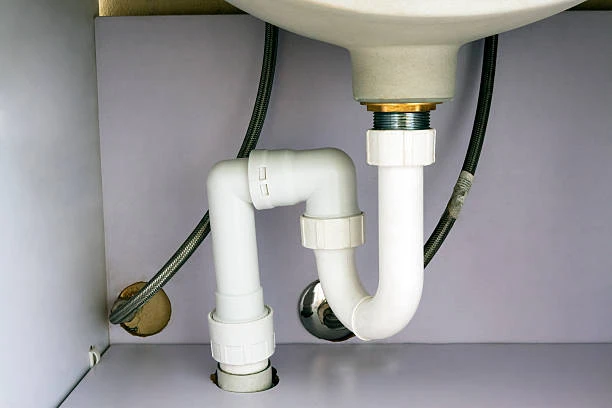
PPR fast joints, also known as quick-connect fittings, simplify plumbing by offering versatile, secure connections for various pipe types. This guide explores how to ensure compatibility between PPR quick-connect fittings and different pipes, covering their features, applications, and best practices. You’ll find answers to common questions, a buying guide, installation tips focused on compatibility, and a comparison of PPR with other piping materials. By understanding pipe compatibility and following key strategies, you can create a reliable, efficient system. Whether you’re a homeowner or a professional, this article helps you choose and install PPR fast joints for seamless integration with diverse piping systems.
Common Questions About PPR Fast Joints
1. What Are PPR Fast Joints?
PPR fast joints are fittings that connect pipes using a push-fit or snap-on mechanism, requiring no glue or welding. Made from polypropylene random copolymer, they resist corrosion and handle high temperatures, making them compatible with various pipe types.
2. Can PPR Fast Joints Connect to Non-PPR Pipes?
Yes, with adapters, PPR fast joints connect to pipes like copper, PVC, or CPVC. However, you must ensure size compatibility and use appropriate transition fittings to maintain a leak-free seal.
3. Are PPR Fast Joints Suitable for Hot Water Systems?
Absolutely. These fittings handle temperatures up to 95°C (203°F), making them ideal for hot water lines when paired with compatible pipes, such as PPR or CPVC.
4. Do PPR Fast Joints Require Special Tools for Installation?
No. You only need a pipe cutter for clean cuts and a deburring tool for smooth edges. This simplicity makes them user-friendly for connecting different pipe materials.
5. How Long Do PPR Fast Joints Last with Mixed Pipe Systems?
When installed correctly with compatible pipes, PPR fast joints last over . Their durability depends on proper sizing and secure connections to prevent stress or leaks.
O que é um sistema de tubulação PPR?
A PPR piping system uses polypropylene random copolymer, a robust thermoplastic, to create pipes and fittings for fluid transport. PPR systems stand out for their corrosion resistance, thermal stability, and lightweight design. PPR fast joints, a key component, allow quick, secure connections without specialized equipment, making them adaptable to various pipe types. Their smooth inner surfaces reduce friction, improving flow efficiency and preventing clogs. PPR pipes handle both hot and cold water, and their recyclability makes them eco-friendly compared to metal alternatives. The versatility of PPR fast joints enables integration with other materials, broadening their use in diverse plumbing setups.
Usos comuns e aplicações industriais
PPR fast joints excel in applications requiring flexible, reliable connections across industries. Here’s where they’re commonly used:
- Encanamento Residencial: Homeowners use PPR fast joints for water supply lines, connecting PPR pipes or transitioning to copper or PVC for mixed systems in kitchens and bathrooms.
- Edifícios comerciais: Hotels, offices, and schools rely on PPR systems for efficient water distribution. Fast joints simplify connections in complex layouts with multiple pipe types.
- Configurações industriais: Factories use PPR fast joints for non-corrosive fluid transport, often combining PPR with other materials like stainless steel for specialized applications.
- Sistemas de Aquecimento: These fittings work in radiant floor heating or radiator systems, connecting PPR pipes or transitioning to copper for high-temperature setups.
- Irrigação Agrícola: Farmers use PPR fast joints for irrigation networks, connecting PPR pipes to PVC for cost-effective, durable systems.
Their compatibility with various pipes makes PPR fast joints a versatile choice for diverse projects.
Buying Guide for PPR Fast Joints
Choosing compatible PPR fast joints ensures a reliable system. Consider these factors:
- Qualidade do material: Select fittings made from virgin polypropylene for durability and resistance to heat and chemicals. Low-quality materials may fail when connecting to other pipe types.
- Color Options: PPR fittings come in green, white, or gray. While color doesn’t impact compatibility, choose a consistent color for aesthetic purposes. Green suits water systems, white for heating.
- Compatibilidade de tamanho: Match the fitting’s diameter to your pipes (e.g., 20mm, 25mm, or 32mm). For non-PPR pipes, ensure transition fittings match both pipe types to avoid leaks.
- Certificações: Look for fittings meeting standards like ISO 15874 or DIN 8077/8078. These ensure quality and compatibility with international plumbing systems.
- Confiabilidade da marca: Choose trusted brands like IFAN, with of experience in producing PPR fittings. Reputable manufacturers offer fittings designed for diverse pipe compatibility.
Buying from reliable suppliers prevents issues with counterfeit products that could compromise connections.
Installation Tips for Compatibility
Proper installation ensures PPR fast joints work seamlessly with different pipes. Follow these tips:
- Verify Pipe Compatibility: Confirm that the pipe material (e.g., PPR, copper, PVC) is compatible with the fitting. Use transition adapters for non-PPR pipes to ensure a secure fit.
- Cut Pipes Cleanly: Use a sharp pipe cutter for straight, burr-free cuts. Smooth edges with a deburring tool to prevent seal damage, especially when connecting to PVC or copper.
- Check Fitting Specifications: Ensure the fitting’s size and type match the pipe’s outer diameter and material. For mixed systems, use specialized adapters for secure connections.
- Secure the Connection: Push the pipe firmly into the fitting until it clicks or locks. For non-PPR pipes, double-check the adapter’s seal to prevent leaks.
- Teste o sistema: Run water through the system at low pressure to check for leaks, especially at transitions between pipe types. Adjust or replace fittings if issues arise.
These steps, combined with the manufacturer’s guidelines, ensure compatibility and a leak-free system.
PPR vs. outros materiais de tubulação
To understand why PPR fast joints are ideal for mixed pipe systems, here’s a comparison with other materials:
| Recurso | PPR | Cobre | PVC | CPVC |
|---|---|---|---|---|
| Resistência à corrosão | Excelente; sem ferrugem | Propenso à corrosão | Bom; sem ferrugem | Bom; sem ferrugem |
| Tolerância à temperatura | Até 95°C | Até 200°C | Até 60°C | Até 82°C |
| Compatibility Ease | High (with adapters) | Moderate (soldering) | Moderado (cola) | Moderado (cola) |
| Durabilidade | 50+ anos | 50+ anos | 25–40 anos | 25–40 anos |
| Custo | Acessível | Caro | Muito acessível | Acessível |
| Eco-Situacão | Reciclável, baixo consumo de energia | Reciclável, alta energia | Não reciclável | Reciclabilidade limitada |
| Peso | Leve | Pesado | Leve | Leve |
PPR fast joints offer superior compatibility with adapters, making them ideal for mixed systems. Copper requires soldering, which complicates connections, while PVC and CPVC need glue and have lower heat tolerance. PPR balances cost, durability, and ease of use for diverse pipe integrations.
Conclusão
PPR fast joints provide a versatile, efficient solution for connecting various pipe types in plumbing and heating systems. By selecting high-quality fittings, verifying pipe compatibility, and following installation best practices, you can create a durable, leak-free system. Their applications span residential, commercial, and industrial settings, offering flexibility for mixed pipe setups. Compared to copper, PVC, or CPVC, PPR excels in corrosion resistance, affordability, and ease of connection. For your next project, trust PPR fast joints to deliver seamless compatibility and long-lasting performance across diverse piping systems.
Contate o IFAN para catálogos e amostras
Precisa de documentos técnicos, catálogos ou amostras de produtos? Entre em contato com a IFAN hoje mesmo.
📧 E-mail: [email protected]
📱 Whatsapp: +86 19857948982
Nossa equipe responde rapidamente e fornece suporte profissional para todas as suas necessidades de pipeline.
Norma internacional IFAN
Os sistemas de tubulação da IFAN atendem a uma ampla gama de normas internacionais para garantir alta qualidade e desempenho. Entre elas, estão a ASTM F1974 e a ASTM F1281 para sistemas de tubulação multicamadas, a CSA B137 para aplicações hidráulicas canadenses, a DIN 16836 para especificações técnicas alemãs, a GB18997 para normas chinesas e a ISO 21003, que abrange sistemas de tubulação multicamadas utilizados em instalações de água quente e fria. Este amplo escopo de certificação destaca o compromisso da IFAN com a conformidade global e a confiabilidade dos produtos.























