


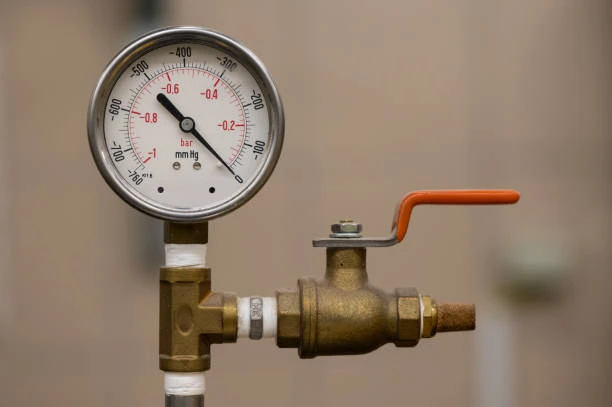
Válvulas de fechamento de latão play a critical role in plumbing and fluid control systems. These valves offer a reliable way to stop or redirect water flow instantly, allowing for maintenance, repairs, or safety shutoffs. Because brass resists corrosion and maintains structural integrity under pressure and heat, these valves are widely used in residential, commercial, and industrial settings. This article provides a complete guide to brass shut off valve installation, covering their features, applications, selection tips, and how to properly install them for long-lasting performance.
Perguntas Frequentes (FAQ)
Para que serve uma válvula de corte de latão?
It is used to manually stop or control the flow of water or other fluids through a pipe system.
Can brass shut off valves handle both hot and cold water?
Yes. Brass is thermally stable and suitable for hot and cold water lines.
Do I need special tools for installation?
Yes. You’ll typically need a wrench, thread seal tape, and possibly a pipe cutter.
Are brass shut off valves durable?
Absolutely. When installed correctly, brass shut off valves last for many years without issues.
Where should I install a shut off valve?
Common locations include beneath sinks, behind toilets, near water heaters, or at the entry point of a water supply system.
What Is a Brass Shut Off Valve and Its Main Features
A brass shut off valve is a mechanical device designed to control fluid flow in a plumbing system. It features a body made of solid brass and typically uses an internal mechanism such as a ball, gate, or disc to open or close the flow path. A simple twist or turn of the handle allows for instant water control.
The key features of brass shut off valves include:
- Manual control via a lever or knob
- High resistance to corrosion and scaling
- Pressure-tight seals to prevent leaks
- Compact design suitable for tight installations
- Long service life with minimal maintenance
Because brass is naturally resistant to corrosion and bacteria, these valves are ideal for potable water systems and other sensitive applications.
Aplicações e indústrias comuns
Brass shut off valves are versatile and used in many types of fluid systems. Some of the most common applications include:
Encanamento Residencial
They are often found beneath sinks, behind toilets, and at the main water supply line. Homeowners use them to isolate fixtures during repairs or emergencies.
Edifícios comerciais
Offices, hotels, and public buildings rely on brass shut off valves for efficient water management across multiple zones and facilities.
Sistemas Industriais
Factories and mechanical rooms use these valves to regulate fluids in equipment cooling, processing lines, and safety systems.
Sistemas HVAC
Brass shut off valves are used to isolate sections of heating or cooling systems for maintenance.
Irrigation and Outdoor Plumbing
Garden and landscape irrigation systems use shut off valves to control water flow to specific zones.
Thanks to their strength and reliability, brass shut off valves meet the demands of both everyday use and complex plumbing networks.
Guia de Compras: Como Selecionar a Válvula de Corte de Latão Certa
Choosing the correct shut off valve is essential for both safety and performance. Consider the following factors during your selection process:
Qualidade do material
Always choose valves made from solid brass or lead-free brass if the application involves drinking water. Check for certifications that indicate compliance with water safety standards.
Tipo de válvula
Ball valves offer smooth, quarter-turn operation and full-port flow. Gate valves are more suitable for infrequent operation. Angle valves allow installation in tight spaces, such as under sinks.
Compatibilidade de tamanho
Ensure the valve size matches your pipe or fixture connection. Common residential sizes include 1/2 inch and 3/4 inch.
Tipo de rosca
Check whether your system uses compression, threaded (NPT), or push-to-connect fittings. Match accordingly.
Classificação de pressão
Verify that the valve can handle your system’s water pressure. Standard ratings are suitable for most homes, but commercial applications may require higher capacity.
Design da alça
Choose between lever or twist handles. Levers are easier to operate, especially in emergencies.
Certificações
Look for NSF, UPC, or ANSI certifications to confirm safety and quality standards.
By evaluating these points, you can select a valve that works efficiently in your specific system and lasts for years.
Installation Tips for Brass Shut Off Valves
Installing a brass shut off valve properly ensures a leak-free connection and long-term durability. Follow these essential steps:
Turn Off the Main Water Supply
Always shut off water at the source before beginning the installation process.
Prepare the Pipe End
Cut the pipe cleanly and remove any burrs. Dry the area and check for rust or scale.
Choose the Correct Sealant
Wrap thread seal tape around male threads in the direction of tightening. Alternatively, use a pipe sealant compound if preferred.
Connect the Valve
Thread or compress the valve onto the pipe using the appropriate fitting type. Tighten it securely by hand, then finish with a wrench.
Evite apertar demais
Excessive force may damage the threads or distort the valve body. Tighten until snug, then test for leaks.
Open and Test
Turn the water back on and slowly open the valve. Check for leaks at all joints. If everything is secure, the installation is complete.
Protect the Valve
In outdoor or exposed installations, cover the valve or insulate it to prevent damage from freezing or corrosion.
Proper installation is critical to ensure that the shut off valve operates reliably when needed most.
Brass Shut Off Valves vs. Other Valve Types
Comparing brass shut off valves to other common valve materials and types helps highlight their advantages.
Compared with plastic shut off valves, brass models are significantly more durable and perform better under high pressure or heat. Plastic valves are cheaper but may become brittle over time, especially in outdoor or hot water applications.
In contrast to stainless steel valves, brass offers a good balance between performance and cost. While stainless steel is more corrosion-resistant in extreme conditions, brass is sufficient for most plumbing needs and is easier to work with.
Brass also surpasses zinc-alloy valves in strength and reliability. Zinc valves may corrode more quickly and are generally used in low-cost or temporary systems.
When it comes to valve types, ball valves stand out for their ease of use and full flow capabilities. Gate valves are more suitable for infrequent shutoffs and may take several turns to operate. Angle valves are useful in confined spaces but may restrict flow slightly compared to straight models.
Overall, brass shut off valves provide an excellent mix of affordability, durability, and performance across a wide range of applications.
Conclusão
Brass shut off valves are a smart choice for any plumbing system that requires reliable water control. Their strong construction, resistance to corrosion, and ease of use make them suitable for homes, businesses, and industrial setups. Whether you’re replacing an old valve or setting up a new line, knowing how to choose and install the right brass shut off valve can prevent leaks, simplify repairs, and improve overall water system safety.
By selecting a valve made from quality materials, confirming compatibility with your pipes, and following proper installation steps, you can enjoy dependable flow control for years. For efficient water management and long-term reliability, few solutions match the performance of a brass shut off valve.
Contate o IFAN para catálogos e amostras
Precisa de documentos técnicos, catálogos ou amostras de produtos? Entre em contato com a IFAN hoje mesmo.
📧 E-mail: [email protected]
📱 Whatsapp: +86 19857948982
Nossa equipe responde rapidamente e fornece suporte profissional para todas as suas necessidades de pipeline.
Norma internacional IFAN
Os sistemas de tubulação da IFAN atendem a uma ampla gama de normas internacionais para garantir alta qualidade e desempenho. Entre elas, estão a ASTM F1974 e a ASTM F1281 para sistemas de tubulação multicamadas, a CSA B137 para aplicações hidráulicas canadenses, a DIN 16836 para especificações técnicas alemãs, a GB18997 para normas chinesas e a ISO 21003, que abrange sistemas de tubulação multicamadas utilizados em instalações de água quente e fria. Este amplo escopo de certificação destaca o compromisso da IFAN com a conformidade global e a confiabilidade dos produtos.























