


Introdução
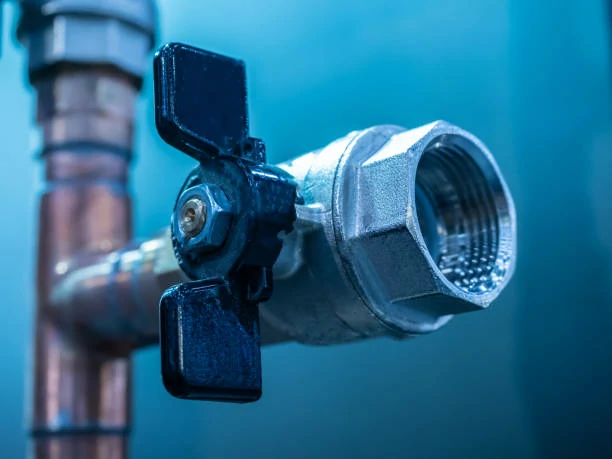
Válvulas de cobre play a critical role in ensuring the safe transport of fluids across various industries. Their durability, corrosion resistance, and precision control capabilities make them a preferred choice in plumbing, industrial processing, and gas distribution systems. A well-designed copper valve minimizes risks associated with leaks, contamination, and pressure fluctuations. Maintaining fluid integrity and preventing system failures requires careful selection, proper installation, and regular maintenance of copper valves. Understanding the factors that influence transport safety helps optimize system performance and reliability.
Factors That Contribute to Safe Fluid Transport
- Material Strength and Durability
Copper provides excellent mechanical strength, allowing valves to withstand high pressure and temperature variations. This durability ensures reliable fluid transport without structural failures. - Resistência à corrosão
Copper resists oxidation and chemical reactions, reducing the risk of internal corrosion. This property ensures safe transport of water, gas, and industrial fluids over extended periods. - Prevenção de vazamentos
Proper sealing mechanisms prevent leaks, minimizing the chances of fluid loss or contamination. Well-machined valve seats and high-quality gaskets enhance sealing efficiency. - Accurate Flow Control
Copper valves regulate fluid flow precisely, reducing turbulence and pressure shocks. Smooth flow control enhances safety in high-demand applications. - Compatibility with Different Fluids
Copper valves work with water, gas, steam, and industrial chemicals without degradation. This versatility ensures safe transport across various applications.
Design Features That Enhance Transport Safety
- Strong Valve Body Construction
High-quality copper alloys strengthen the valve body, preventing deformations under extreme pressure. Robust construction minimizes the risk of valve failure. - Reliable Sealing Technology
Compression seals, threaded connections, and soft-sealing materials improve leak prevention. Properly designed sealing surfaces maintain safe fluid transport over time. - Efficient Pressure Regulation
Many copper valves include pressure-balancing features to maintain consistent flow rates. Stable pressure conditions prevent pipe bursts and equipment damage. - Superfícies internas lisas
Precision machining creates smooth valve passages, reducing friction and fluid resistance. Lower resistance minimizes wear and improves transport efficiency. - Tolerância a altas temperaturas
Copper valves handle temperature fluctuations without losing strength. This capability ensures safe fluid transport in heating, cooling, and industrial processes.
Applications That Require Safe Fluid Transport
- Sistemas de Água Potável
Municipal and residential water supply networks rely on copper valves for safe and clean water distribution. Non-toxic properties prevent contamination. - Redes de Distribuição de Gás
Copper valves regulate natural gas and propane flow in homes, industries, and power plants. Secure connections prevent hazardous leaks. - Sistemas HVAC
Heating and cooling systems use copper valves to control refrigerant flow. Leak-free operation ensures energy efficiency and environmental safety. - Transporte Químico Industrial
Manufacturing plants depend on copper valves for handling acids, alkalis, and solvents. Corrosion-resistant properties maintain fluid purity and system integrity. - Aplicações Médicas e Farmacêuticas
Copper valves transport sterile fluids in hospitals and laboratories. Bacterial resistance ensures safe delivery of medical gases and solutions.
Preventing Risks in Fluid Transport
- Proper Installation Techniques
Secure connections, correct torque application, and alignment reduce the risk of leaks. Installation by trained professionals ensures system safety. - Routine Inspections and Maintenance
Checking for wear, corrosion, and sealing integrity prevents unexpected failures. Regular lubrication and cleaning extend valve lifespan. - Use of Compatible Fluids
Selecting fluids that match copper’s chemical resistance properties avoids unexpected reactions. Proper fluid selection enhances safety. - Monitoring System Pressure and Temperature
Continuous monitoring detects pressure surges or temperature fluctuations. Early detection prevents pipeline damage and fluid leaks. - Emergency Shutoff Mechanisms
Many copper valve systems include automatic shutoff features. These mechanisms quickly stop fluid flow in case of pressure anomalies or leaks.
Advantages of Using Copper Valves for Safe Transport
- Confiabilidade de longo prazo
Copper valves maintain performance for decades, reducing replacement frequency and operational risks. - Baixos requisitos de manutenção
Minimal wear and corrosion reduce the need for frequent repairs. Proper maintenance extends safety and efficiency. - Environmental Safety
Copper valves resist chemical degradation, preventing environmental contamination. Sustainable properties support eco-friendly fluid transport. - Eficiência Energética
Smooth internal surfaces and precise control features reduce energy consumption. Efficient transport minimizes system strain and operational costs.
Conclusão
Copper valves ensure the safe transport of fluids by providing durability, leak prevention, and accurate flow control. Their strong material properties, advanced sealing mechanisms, and compatibility with various fluids make them a trusted choice across industries. Proper installation, regular maintenance, and system monitoring enhance safety and efficiency. Choosing copper valves for fluid transport guarantees long-term reliability, environmental protection, and energy savings. Understanding these factors helps optimize system performance and reduce operational risks.
Norma internacional IFAN
Os produtos de PEAD da IFAN atendem a diversas normas internacionais, garantindo qualidade, durabilidade e confiabilidade. Essas normas incluem a ASTM D3035 e a ASTM D3350, que definem especificações para tubos e materiais de polietileno (PE). As séries ISO 4427 e EN 12201 estabelecem referências globais para tubos de PE utilizados em sistemas de abastecimento de água. Além disso, as normas DIN 8074/8075 e GB/T 13663 estabelecem requisitos de desempenho e dimensões para tubos de PEAD nos mercados europeu e chinês. Outras normas reconhecidas, como a AS/NZS 4130 (Austrália/Nova Zelândia), JIS K6760 (Japão), BS 6572 (Reino Unido) e CSA B137.1 (Canadá), demonstram ainda mais o compromisso da IFAN em atender às regulamentações do setor em todo o mundo.
Contato
A IFAN é uma fabricante profissional com 30 anos de experiência, dedicada à produção de tubos, conexões e válvulas de plástico de alta qualidade. Nossos produtos incluem válvulas de latão, válvulas de PPR, além de diversos tubos e conexões para atender às diferentes necessidades dos clientes. Seja para tubos de encanamento e drenagem ou válvulas, a IFAN oferece uma gama diversificada de produtos de alta qualidade e custo-benefício para apoiar seus projetos. Abaixo, você encontra nossos dados de contato.
Responderemos seu e-mail ou fax em até 24 horas.
Você pode nos ligar a qualquer momento caso tenha alguma dúvida sobre nossa produção.
Para mais informações, visite nosso site https://www.ifanplus.com/
Por favor, envie um e-mail para: [email protected]
Whatsapp: + 86 19857948982























