


Introduction
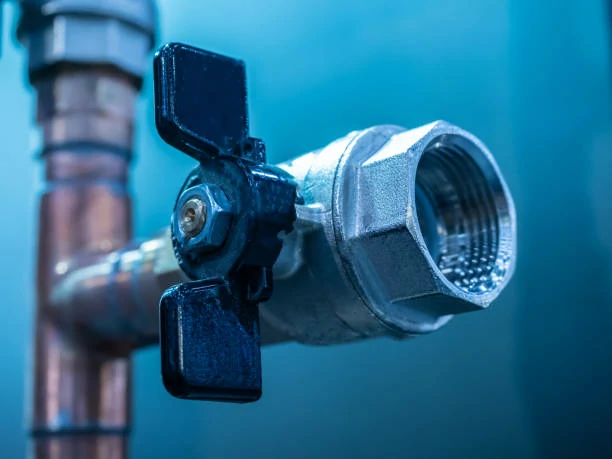
vannes en cuivre play a critical role in ensuring the safe transport of fluids across various industries. Their durability, corrosion resistance, and precision control capabilities make them a preferred choice in plumbing, industrial processing, and gas distribution systems. A well-designed copper valve minimizes risks associated with leaks, contamination, and pressure fluctuations. Maintaining fluid integrity and preventing system failures requires careful selection, proper installation, and regular maintenance of copper valves. Understanding the factors that influence transport safety helps optimize system performance and reliability.
Factors That Contribute to Safe Fluid Transport
- Material Strength and Durability
Copper provides excellent mechanical strength, allowing valves to withstand high pressure and temperature variations. This durability ensures reliable fluid transport without structural failures. - Résistance à la corrosion
Copper resists oxidation and chemical reactions, reducing the risk of internal corrosion. This property ensures safe transport of water, gas, and industrial fluids over extended periods. - Prévention des fuites
Proper sealing mechanisms prevent leaks, minimizing the chances of fluid loss or contamination. Well-machined valve seats and high-quality gaskets enhance sealing efficiency. - Accurate Flow Control
Copper valves regulate fluid flow precisely, reducing turbulence and pressure shocks. Smooth flow control enhances safety in high-demand applications. - Compatibility with Different Fluids
Copper valves work with water, gas, steam, and industrial chemicals without degradation. This versatility ensures safe transport across various applications.
Design Features That Enhance Transport Safety
- Strong Valve Body Construction
High-quality copper alloys strengthen the valve body, preventing deformations under extreme pressure. Robust construction minimizes the risk of valve failure. - Reliable Sealing Technology
Compression seals, threaded connections, and soft-sealing materials improve leak prevention. Properly designed sealing surfaces maintain safe fluid transport over time. - Efficient Pressure Regulation
Many copper valves include pressure-balancing features to maintain consistent flow rates. Stable pressure conditions prevent pipe bursts and equipment damage. - Smooth Internal Surfaces
Precision machining creates smooth valve passages, reducing friction and fluid resistance. Lower resistance minimizes wear and improves transport efficiency. - Tolérance aux hautes températures
Copper valves handle temperature fluctuations without losing strength. This capability ensures safe fluid transport in heating, cooling, and industrial processes.
Applications That Require Safe Fluid Transport
- Systèmes d'eau potable
Municipal and residential water supply networks rely on copper valves for safe and clean water distribution. Non-toxic properties prevent contamination. - Réseaux de distribution de gaz
Copper valves regulate natural gas and propane flow in homes, industries, and power plants. Secure connections prevent hazardous leaks. - Systèmes CVC
Heating and cooling systems use copper valves to control refrigerant flow. Leak-free operation ensures energy efficiency and environmental safety. - Transport de produits chimiques industriels
Manufacturing plants depend on copper valves for handling acids, alkalis, and solvents. Corrosion-resistant properties maintain fluid purity and system integrity. - Medical and Pharmaceutical Applications
Copper valves transport sterile fluids in hospitals and laboratories. Bacterial resistance ensures safe delivery of medical gases and solutions.
Preventing Risks in Fluid Transport
- Techniques d'installation appropriées
Secure connections, correct torque application, and alignment reduce the risk of leaks. Installation by trained professionals ensures system safety. - Routine Inspections and Maintenance
Checking for wear, corrosion, and sealing integrity prevents unexpected failures. Regular lubrication and cleaning extend valve lifespan. - Use of Compatible Fluids
Selecting fluids that match copper’s chemical resistance properties avoids unexpected reactions. Proper fluid selection enhances safety. - Monitoring System Pressure and Temperature
Continuous monitoring detects pressure surges or temperature fluctuations. Early detection prevents pipeline damage and fluid leaks. - Emergency Shutoff Mechanisms
Many copper valve systems include automatic shutoff features. These mechanisms quickly stop fluid flow in case of pressure anomalies or leaks.
Advantages of Using Copper Valves for Safe Transport
- Fiabilité à long terme
Copper valves maintain performance for decades, reducing replacement frequency and operational risks. - Faibles besoins d'entretien
Minimal wear and corrosion reduce the need for frequent repairs. Proper maintenance extends safety and efficiency. - Environmental Safety
Copper valves resist chemical degradation, preventing environmental contamination. Sustainable properties support eco-friendly fluid transport. - Efficacité énergétique
Smooth internal surfaces and precise control features reduce energy consumption. Efficient transport minimizes system strain and operational costs.
Conclusion
Copper valves ensure the safe transport of fluids by providing durability, leak prevention, and accurate flow control. Their strong material properties, advanced sealing mechanisms, and compatibility with various fluids make them a trusted choice across industries. Proper installation, regular maintenance, and system monitoring enhance safety and efficiency. Choosing copper valves for fluid transport guarantees long-term reliability, environmental protection, and energy savings. Understanding these factors helps optimize system performance and reduce operational risks.
Norme internationale IFAN
Les produits en PEHD d'IFAN sont conformes à diverses normes internationales, garantissant qualité, durabilité et fiabilité. Parmi ces normes figurent les normes ASTM D3035 et ASTM D3350, qui définissent les spécifications des tubes et matériaux en polyéthylène (PE). Les normes ISO 4427 et EN 12201 établissent des références mondiales pour les tubes en PE utilisés dans les réseaux d'approvisionnement en eau. De plus, les normes DIN 8074/8075 et GB/T 13663 établissent les exigences de performance et de dimension des tubes en PEHD sur les marchés européen et chinois. D'autres normes reconnues, telles que AS/NZS 4130 (Australie/Nouvelle-Zélande), JIS K6760 (Japon), BS 6572 (Royaume-Uni) et CSA B137.1 (Canada), témoignent de l'engagement d'IFAN à respecter les réglementations industrielles mondiales.
Contact
IFAN est un fabricant professionnel fort de 30 ans d'expérience, spécialisé dans la production de tuyaux, raccords et vannes en plastique de haute qualité. Nos produits comprennent des vannes en laiton, des vannes en PPR, ainsi que divers tuyaux et raccords pour répondre aux différents besoins de nos clients. Que vous ayez besoin de tuyaux de plomberie et d'évacuation ou de vannes, IFAN propose une gamme diversifiée de produits de haute qualité et économiques pour vos projets. Vous trouverez nos coordonnées ci-dessous.
Nous répondrons à votre e-mail ou fax dans les 24 heures.
Vous pouvez nous appeler à tout moment si vous avez des questions sur notre production.
Pour plus d'informations, veuillez visiter notre site Web https://www.ifanplus.com/
Veuillez envoyer un mail à : [email protected]
WhatsApp : + 86 19857948982























