Introduction: What Makes a PVC Ball Valve Essential
PVC ball valves are widely used in residential, commercial, and industrial plumbing systems for their simple design, ease of use, and reliable flow control. Whether you’re managing water in irrigation systems or handling non-corrosive fluids in chemical processing, PVC ball valves offer a durable, lightweight, and cost-effective solution. In this article, we will explore the key features, uses, selection tips, installation guidance, and how they compare to other types of valves.
Frequently Asked Questions (FAQ)
1. What is a PVC ball valve used for?
PVC ball valves control water or fluid flow in piping systems, commonly used in irrigation, plumbing, and light industrial settings.
2. Are PVC ball valves suitable for high-pressure systems?
They are ideal for low to moderate pressure. For high-pressure systems, consider using Schedule 80 or metal alternatives.
3. Can I use a PVC ball valve for hot water?
No, standard PVC valves are not heat-resistant. Use CPVC valves for hot water applications.
4. How long do PVC ball valves last?
With proper installation and non-aggressive media, they can last 10–20 years or more.
5. Are PVC ball valves easy to install?
Yes, they can be easily connected using solvent welding or threaded fittings.
Definition and Key Features of a PVC Ball Valve
A PVC ball valve is a type of quarter-turn shut-off valve that uses a hollow, perforated ball to control the flow of liquid. It is made from polyvinyl chloride (PVC), a thermoplastic known for its chemical resistance and affordability.
Main features include:
-
Lightweight and corrosion-resistant
-
Quick shut-off with 1/4 turn handle
-
Smooth flow with minimal pressure drop
-
Compatible with both solvent weld and threaded pipe systems
-
Affordable and widely available in various sizes
These valves are particularly valued for their resistance to rust and chemical attack in non-metallic systems.
Common Uses and Applications
PVC ball valves are incredibly versatile and commonly used in:
-
Irrigation Systems – For controlling water flow in agricultural and garden setups.
-
Water Treatment Plants – Handling non-corrosive fluids efficiently.
-
Swimming Pools and Spas – Regulating water lines in chlorine-treated systems.
-
Aquariums and Fish Farms – Ensuring safe, adjustable flow in aquatic environments.
-
Home Plumbing – Often used in low-pressure water lines and DIY projects.
Thanks to their lightweight nature and ease of operation, PVC ball valves are an ideal choice for many everyday and industrial systems.
Buying Guide: What to Look for in a PVC Ball Valve
To ensure reliable performance, consider the following when choosing a PVC ball valve:
-
Material Grade: Use Schedule 40 for standard pressure or Schedule 80 for higher pressure needs.
-
Size Compatibility: Ensure the valve matches your pipe size (1/2″, 3/4″, 1″, etc.).
-
Handle Type: Look for ergonomically designed handles for easy operation.
-
Connection Type: Choose between socket ends (for glueing) or threaded ends (for removable installations).
-
Standards and Certifications: NSF-certified valves are safe for potable water use.
-
Chemical Resistance: Confirm compatibility with the fluid being used, especially in chemical applications.
With the right valve, you minimize leaks, maximize flow efficiency, and reduce maintenance issues.
Installation Tips
Here’s how to install a PVC ball valve correctly:
-
Cut the pipe squarely using a PVC cutter or fine-tooth saw.
-
Deburr and clean the pipe ends to ensure smooth connections.
-
Apply primer and solvent cement for socket connections, or use PTFE tape for threaded fittings.
-
Insert and twist the pipe into the valve socket to spread the cement evenly.
-
Hold in place for 30 seconds to secure the bond.
-
Allow curing time (typically 15–30 minutes) before testing with pressure.
Ensure that the valve handle remains accessible after installation for easy operation.
PVC Ball Valve vs Other Valves (Comparison Table)
| Feature |
PVC Ball Valve |
Gate Valve |
Brass Ball Valve |
CPVC Ball Valve |
| Material |
Plastic (PVC) |
Metal or brass |
Brass |
CPVC (for hot water) |
| Corrosion Resistance |
Excellent |
Moderate |
Moderate |
Excellent |
| Heat Tolerance |
Up to ~60°C (140°F) |
Higher |
Higher |
Up to 93°C (200°F) |
| Use in Hot Water |
No |
Yes (metal type) |
Yes |
Yes |
| Price |
Low |
Moderate |
Higher |
Moderate |
| Installation Ease |
Easy |
Moderate |
Moderate |
Easy |
PVC ball valves are best suited for cold water, chemical applications, and environments requiring corrosion resistance but not high temperatures.
Conclusion: PVC Ball Valves Offer Simple, Effective Flow Control
In summary, PVC ball valves provide a simple yet effective way to control flow in a wide range of plumbing and irrigation systems. They are lightweight, affordable, easy to install, and resistant to many chemicals—making them a smart choice for many residential and industrial users. By understanding their limitations (particularly with heat), and choosing the right size and connection type, you can confidently integrate PVC ball valves into your next project.
Contact
With of experience, IFAN is a specialist manufacturer specializing in the production of high quality plastic fittings, fittings and valves. Our products cover copper valves, PPR valves and various fitting and fittingxs to meet different customer needs. No matter what your needs are for plumbing or valves, IFAN offers a wide range of cost-effective products to support your project. Below is our contact information, this is our Whatsapp: + 86 19857948982,Email:[email protected]


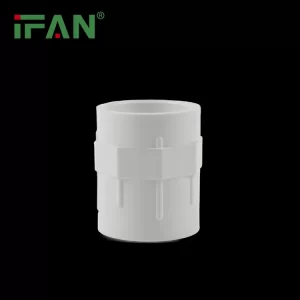 802 PVC SCH40 Pipe & Fittings (ASTM F439)
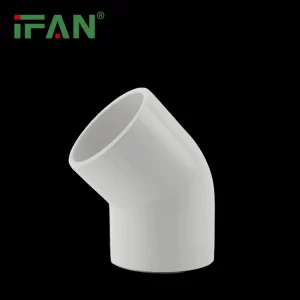 802 PVC SCH40 Pipe & Fittings (ASTM F439)
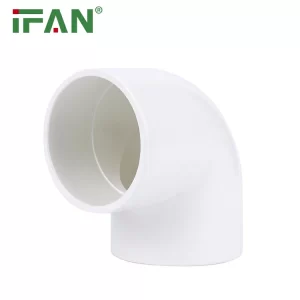 802 PVC SCH40 Pipe & Fittings (ASTM F439)
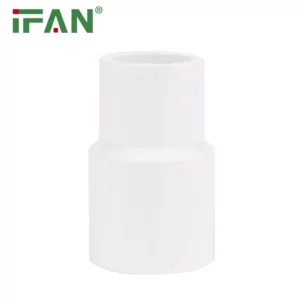 802 PVC SCH40 Pipe & Fittings (ASTM F439)
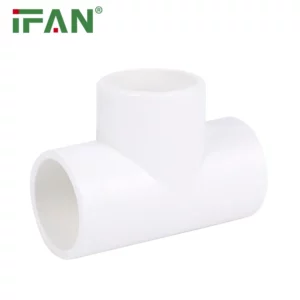 802 PVC SCH40 Pipe & Fittings (ASTM F439)
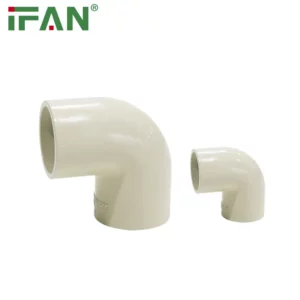 501 CPVC Supply Water Pipe & Fittings (ASTM D2846)
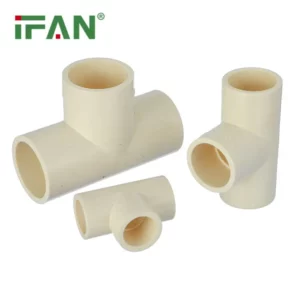 501 CPVC Supply Water Pipe & Fittings (ASTM D2846)
 501 CPVC Supply Water Pipe & Fittings (ASTM D2846)