Related products
-
Sale!
 Plastic Industry
IFAN Wholesale High Quality PPR Tube Fitting Elbow chuangrong
-
Sale!
 Plastic Industry
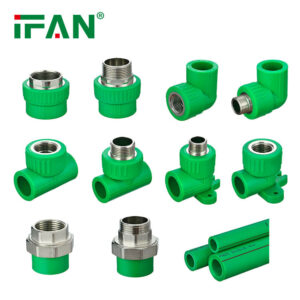
IFAN High Quality Cstom PPR Fitting Femal&Male Tee chuangrong
-
 Plastic Industry
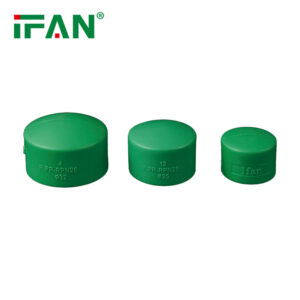
IFAN Good Quality OEM ODM PPR Fittings End Cap chuangrong
-
 Plastic Industry
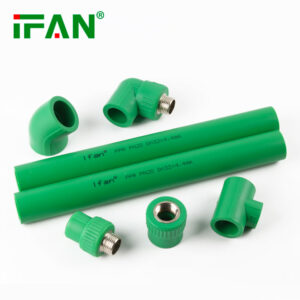
IFAN Cheap Price PPR Fittings Double Elbow chuangrong
PPR Elbow Technical Specifications and Applications
Material Composition and Manufacturing Standards
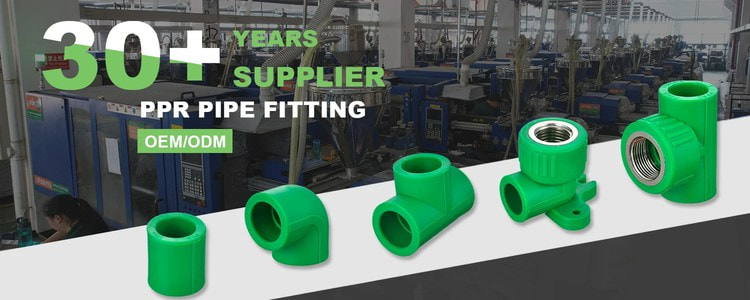
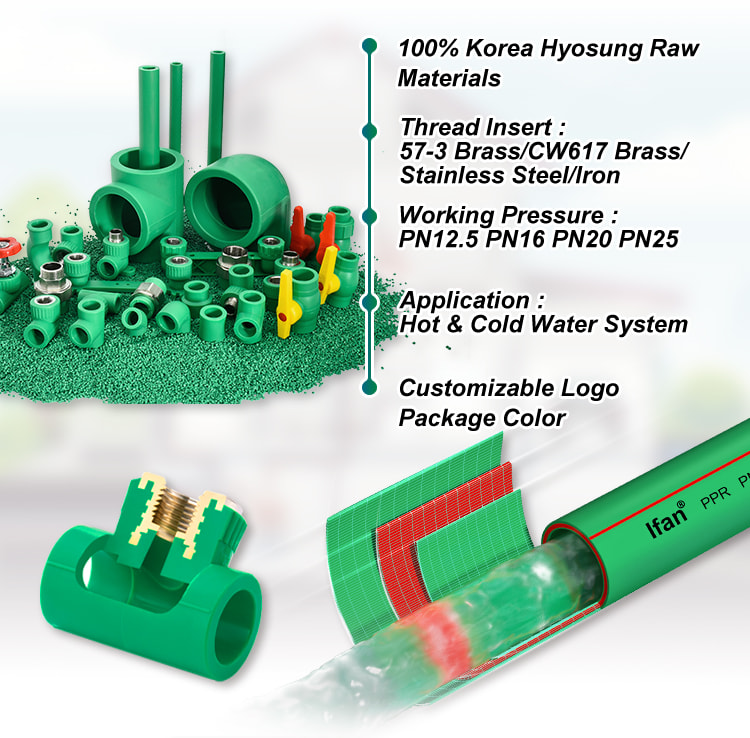
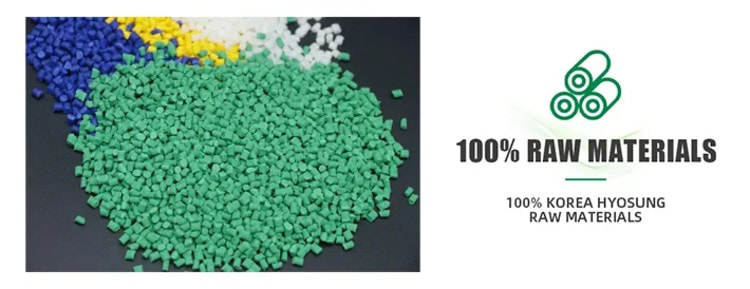
Let’s start by examining the material composition. PPR elbows feature high-grade polypropylene random copolymer, which delivers excellent durability and chemical resistance. Moving to manufacturing standards, producers strictly follow ISO 15874 guidelines while also meeting DIN 8077/8078 requirements. When we look at production methods, advanced injection molding techniques ensure precise dimensions and uniform wall thickness throughout each fitting.
Technical Performance Characteristics
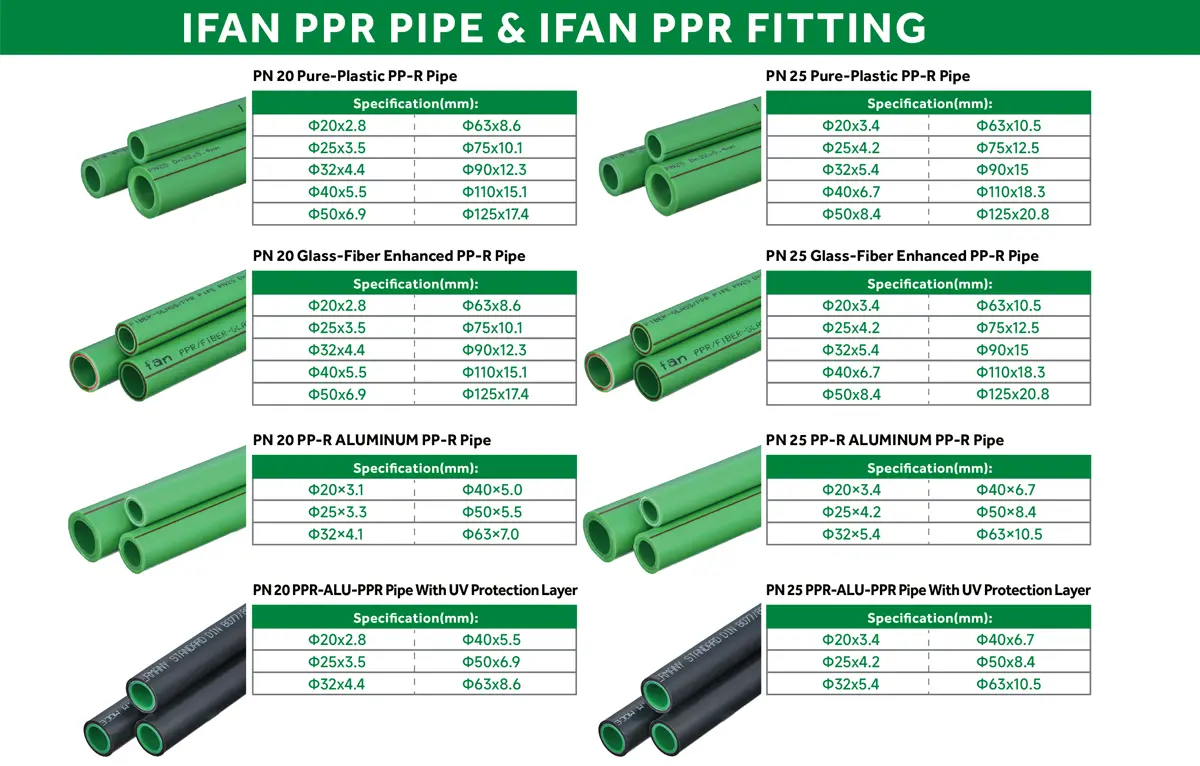
Now considering performance capabilities, these fittings reliably withstand 20 bar pressure at 20°C, with premium versions handling up to 25 bar. Regarding temperature tolerance, they comfortably operate between -10°C to 95°C while briefly enduring 110°C conditions. Furthermore, their smooth interior walls significantly reduce flow resistance, leading to minimal pressure loss across connections.
Dimensional Specifications
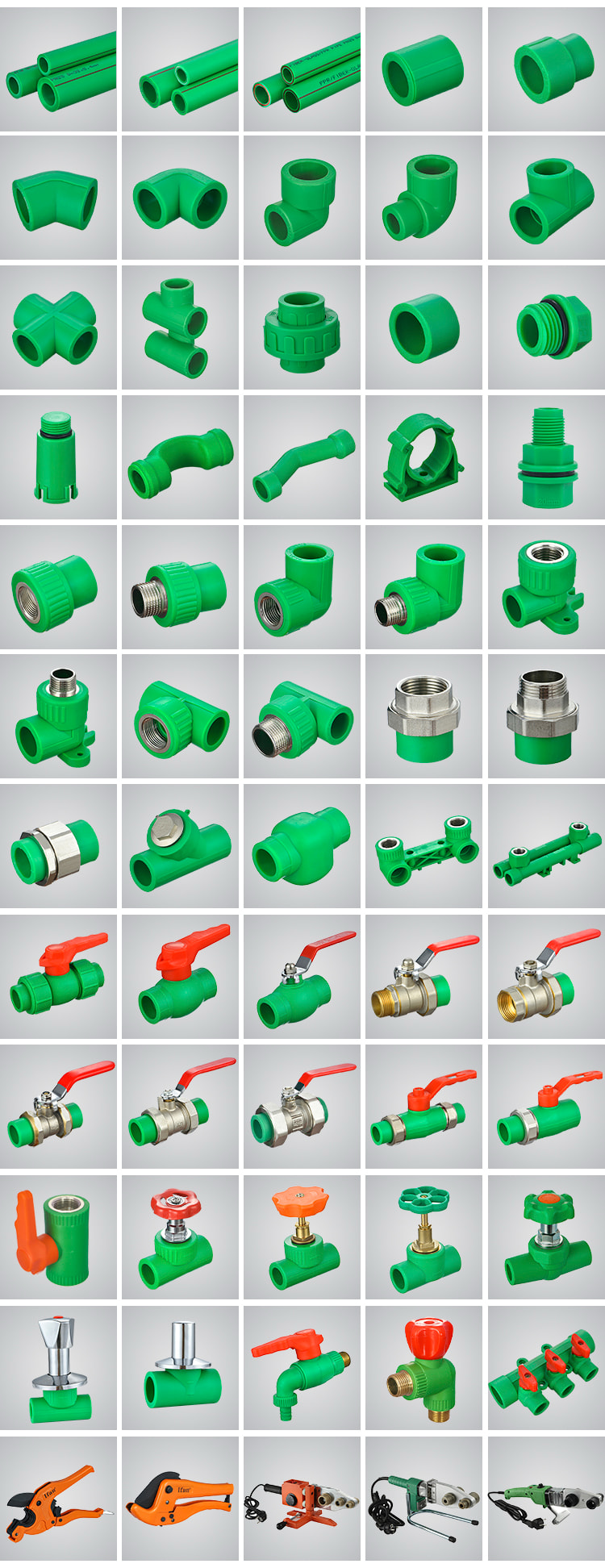
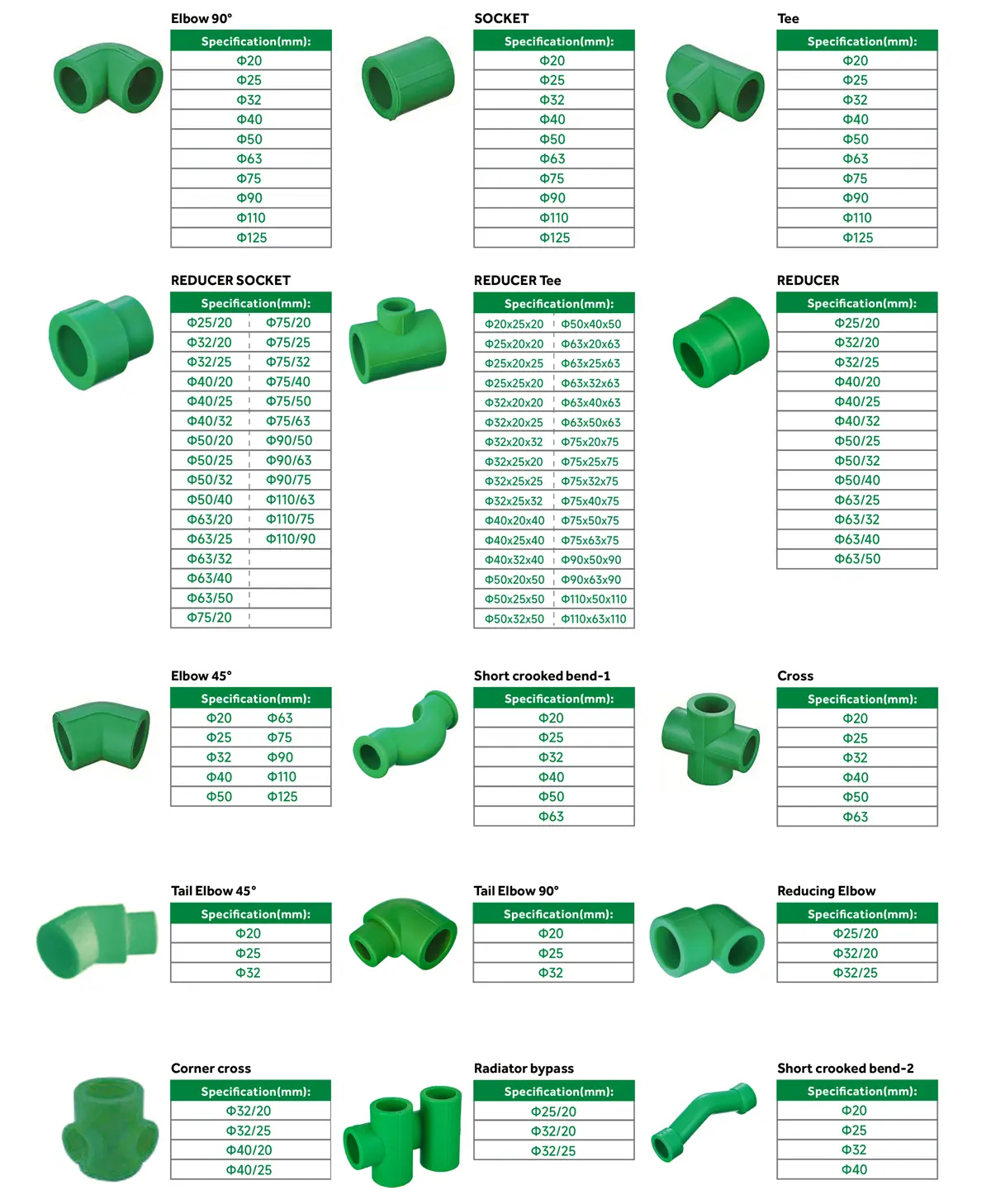
Turning to size options, standard diameters range from 20mm to 63mm (1/2″ to 2″). For directional needs, manufacturers offer both 45° and 90° angles. Importantly, all sizes strictly conform to GB/T 18742.3 standards, with carefully designed socket depths and transition radii that optimize hydraulic performance.
Installation Process
When installing, technicians must first prepare proper PPR welding equipment. Next, they should heat components to exactly 260°C before swiftly joining pipe and fitting. During this process, they must avoid any rotational movement. After joining, allowing 2-5 minutes cooling time ensures optimal bond strength before system testing.
Quality Assurance
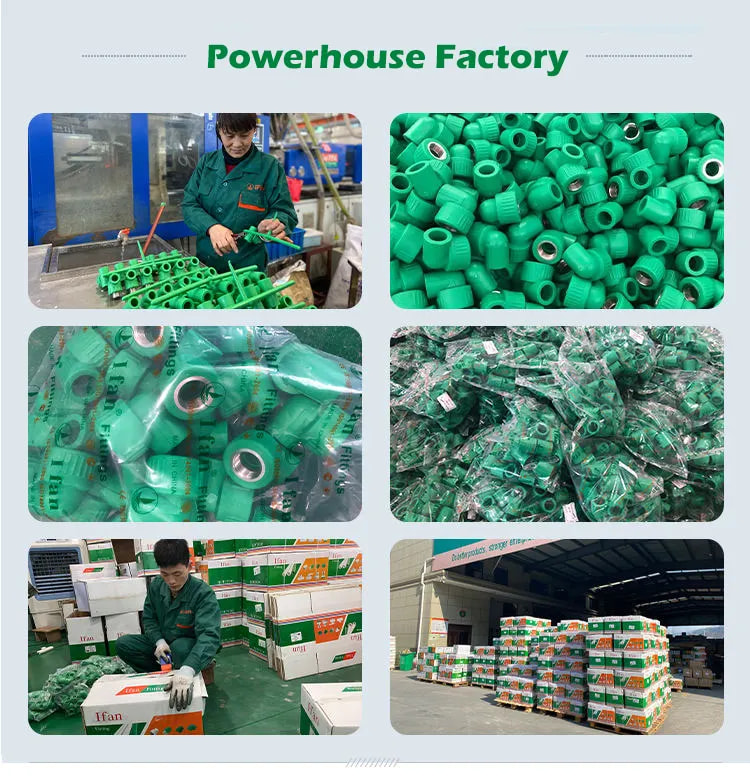
Looking at quality control, every production batch undergoes rigorous hydrostatic pressure testing. Additionally, quality teams meticulously verify all dimensions while conducting comprehensive material analysis. To guarantee long-term reliability, products undergo thermal cycling evaluations and extended creep resistance studies.
Industrial Applications
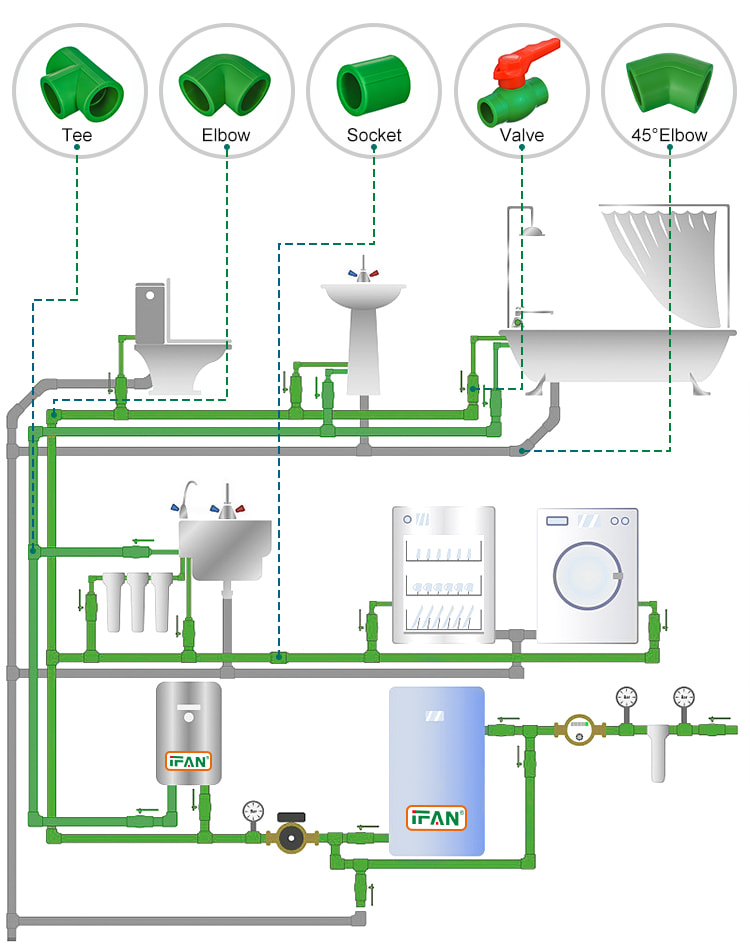
Across various sectors, these fittings serve critical functions. In residential settings, they excel in potable water systems. Commercial buildings benefit from their HVAC performance, while industrial facilities utilize them for chemical processing. Their versatility extends to hot water distribution, chilled water systems, and compressed air lines.
Environmental Benefits
From an ecological perspective, PPR material offers complete recyclability. Moreover, its manufacturing process consumes less energy than alternatives. The extended service life reduces replacement frequency, and its inert properties ensure no contamination of drinking water – making it ideal for green building projects.
Safety Features
Regarding safety, the material maintains complete non-toxicity, keeping drinking water pure. It handles high temperatures without degradation and withstands pressure fluctuations effortlessly. Chemical exposure causes no damage, giving users reliable, worry-free operation year after year.
Maintenance Requirements
For upkeep, regular inspections prevent potential issues while simple cleaning maintains peak performance. Proper UV protection extends service life, and the system’s inherent durability means repairs are rarely needed – ensuring decades of efficient operation with minimal maintenance costs.
Cost Considerations
Financially speaking, the initial investment proves reasonable when considering the long-term savings. Reduced maintenance needs and energy efficiency lower operating expenses, while the extended lifespan eliminates replacement costs – delivering outstanding value throughout the product lifecycle.
Customization Options
For specialized projects, manufacturers provide flexible customization. Clients can request special sizes, unique colors, or specific angles to meet exact requirements. This adaptability allows for tailored solutions across diverse applications while maintaining all performance standards.
Future Developments
Looking ahead, researchers continue testing advanced materials and improved designs. The industry is integrating smart monitoring capabilities while simplifying installation methods. These innovations promise even better performance and sustainability in coming years.
Global Standards
In terms of international compliance, products meet European, American, and Asian specifications. This global standardization facilitates worldwide projects and market expansion while simplifying regulatory compliance for multinational operations.
Customer Support
Regarding after-sales service, companies provide comprehensive technical advice and installation guidance. They offer prompt troubleshooting assistance and maintain ready access to replacement parts, ensuring long-term customer satisfaction and system reliability.
Conclusion
Ultimately, PPR elbows deliver exceptional performance across multiple industries. Their straightforward installation, minimal maintenance, and competitive pricing make them a smart choice. With strong environmental benefits and guaranteed quality, these fittings represent a sustainable solution with growing global adoption and bright future potential.
Contact