


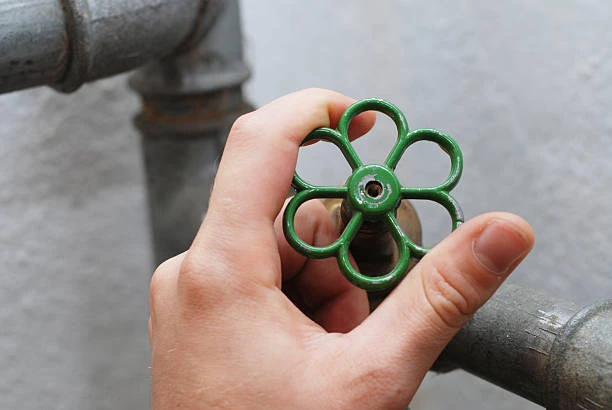
Water systems require reliable, long-lasting, and low-resistance flow control components. Among the most widely used devices for this purpose is the piping gate valve. Designed to fully open or close the flow of water through a pipeline, this type of valve provides a robust solution in both municipal and industrial water infrastructure. In this article, we explore what a piping gate valve is, where and why it’s used in water systems, how to choose the right one, and how it compares with other valve types.
Frequently Asked Questions (FAQ)
1. What is a piping gate valve used for in water systems?
It serves as an isolation valve that allows or blocks water flow in pipelines. It is mainly used during maintenance, repair, or emergency shut-off.
2. Can it be used to control water flow gradually?
Not ideally. Gate valves are not designed for throttling. Using them partially open can damage the gate and cause leaks.
3. Is it suitable for underground installation?
Yes, gate valves with non-rising stems are common in buried installations due to their compact design.
4. What materials are commonly used for water gate valves?
Common options include ductile iron, cast iron, brass, bronze, and stainless steel, depending on application and budget.
5. How long do gate valves last in water systems?
When properly selected and maintained, they can last 10–25 years or more, especially in clean water systems.
What Is a Piping Gate Valve and What Are Its Key Features?
A piping gate valve is a mechanical device used to stop or allow the flow of water by lifting a gate (usually metal) within a valve body. Unlike other valves that rotate a disk or a ball, this valve uses linear motion to control flow. When the handwheel or actuator rotates, it moves the gate vertically to open or close the passage.
Key Features
- Full-open flow path: Reduces pressure loss and maintains high system efficiency.
- Straight-through design: Minimizes turbulence, making it ideal for clean water systems.
- Tight shutoff: Effective in isolating sections of pipeline for maintenance or emergencies.
- Manual or automatic operation: Available in handwheel, gear, electric, or pneumatic models.
- Various end connections: Includes flanged, threaded, and push-fit ends for flexible installation.
- Durable sealing systems: Rubber wedge or metal seat options provide tight sealing in different pressure conditions.
These characteristics make the piping gate valve especially valuable in water infrastructure.
Common Applications and Industries for Piping Gate Valves
The use of piping gate valves spans many sectors, especially those where fluid control in water systems is essential. Below are the most common application areas.
Municipal Water Distribution
Gate valves are a staple in municipal water supply lines. They help control sections of piping for zoning, repairs, and pressure balancing. Their low-friction design is ideal for high-volume systems.
Wastewater Treatment
In wastewater systems, gate valves regulate the flow of treated or untreated water. Special coatings help resist corrosion from chemicals and solids in the fluid.
Building Plumbing Systems
Large buildings and complexes use gate valves at main water inlets or between floor levels. They provide a simple way to isolate sections during maintenance or emergencies.
Irrigation and Agriculture
Gate valves manage water delivery in irrigation systems, helping control large water volumes across fields and greenhouses.
Fire Protection Systems
In fire mains and hydrant systems, gate valves provide reliable shutoff for system isolation and maintenance while meeting fire safety standards.
Industrial Water Cooling Systems
Factories and power plants use gate valves to direct water to cooling equipment or isolate parts of the system during routine service.
Selection Guide: How to Choose the Right Piping Gate Valve
Choosing the right piping gate valve for a water system requires consideration of the system’s needs and environmental factors. Here’s a guide to help make informed decisions:
1. Material
- Ductile Iron: Strong and durable, suitable for high-pressure water lines.
- Cast Iron: Cost-effective and commonly used in municipal systems.
- Brass/Bronze: Corrosion-resistant, often used in potable water and marine systems.
- Stainless Steel: High corrosion resistance, best for aggressive water or chemical use.
2. Size and Pressure Rating
Match the valve’s diameter and pressure class to the system’s specifications. Typical pressure classes include PN10, PN16, or ANSI 150.
3. Stem Type
- Rising Stem: Easier to inspect, common in above-ground systems.
- Non-rising Stem: Compact, perfect for underground or space-limited installations.
4. End Connection Type
- Flanged: Ideal for large systems needing strong, secure connections.
- Threaded: Used in smaller or residential piping.
- Push-fit or compression: Good for fast installation in building systems.
5. Coating and Sealing
Look for valves with epoxy coatings for corrosion resistance. Rubber-seated wedge gates ensure tight seals in low-pressure water systems.
6. Certifications
Choose valves with relevant approvals:
- NSF/ANSI 61 for drinking water
- UL/FM for fire systems
- ISO 9001 or EN 1074 for quality assurance in municipal applications
Why Use Piping Gate Valves in Water Systems
The central question remains: why should a piping gate valve be used in water systems over other types? There are several key reasons that make them the preferred solution in many installations:
1. Excellent Shutoff Ability
Gate valves are specifically designed for isolation. When fully closed, they provide a tight seal that prevents water leakage and ensures safe maintenance.
2. Minimal Pressure Drop
The full-bore design allows unrestricted flow, which means less energy loss and consistent pressure across the system.
3. Cost-Effectiveness
Compared to more complex valve types, gate valves are relatively affordable, especially in large diameters. Their simple structure also reduces maintenance costs.
4. Compatibility with Underground Use
Non-rising stem models are perfect for buried water mains. They require less vertical space and can be operated with valve keys or actuators from the surface.
5. Longevity and Reliability
In water systems with clean or filtered water, gate valves can last decades with minimal maintenance, offering exceptional return on investment.
6. Wide Range of Sizes
Gate valves are available from small sizes (DN15) to very large diameters (DN1000+), making them suitable for both building-level and city-scale water projects.
7. Maintenance Simplicity
Unlike some other valve types, gate valves have fewer moving parts and can often be rebuilt or re-sealed in place without full removal.
8. Fire System Compliance
UL/FM-rated gate valves are standard in fire water mains, allowing complete section shutoff during upgrades or testing.
Piping Gate Valve vs Other Water Valve Types
Here’s a comparison to better understand where piping gate valves fit among other common valve options:
| Feature | Piping Gate Valve | Ball Valve | Globe Valve | Butterfly Valve |
|---|---|---|---|---|
| Flow Control | On/Off | On/Off | Throttling | On/Off & Control |
| Pressure Drop | Very Low | Very Low | High | Low |
| Shutoff Seal Quality | High | Very High | High | Medium |
| Underground Suitability | Excellent | Poor | Moderate | Good |
| Size Range | Very Large | Moderate | Small–Medium | Large |
| Space Requirements | High | Low | Medium | Very Low |
| Cost for Large Sizes | Affordable | Expensive | Moderate | Low |
From this table, it becomes clear that the piping gate valve provides the best solution for reliable shutoff, minimal pressure loss, and wide-size adaptability in water systems.
Conclusion
Piping gate valves play an essential role in modern water infrastructure. Their ability to fully isolate sections of piping, combined with their durability and low-flow resistance, makes them a reliable choice across multiple industries and settings.
Whether used in municipal distribution networks, commercial buildings, fire protection systems, or irrigation, piping gate valves provide dependable service for years. When selected carefully and installed properly, they help ensure the stability and performance of water systems of any size.
In summary, choosing a piping gate valve means choosing safety, reliability, and long-term cost efficiency. For engineers, facility managers, or city planners, it remains a proven solution for controlling water flow in both routine and critical applications.
Contact IFAN for Catalogs and Samples
Need technical documents, catalogs, or sample products? Reach out to IFAN today.
📧 Email: [email protected]
📱 Whatsapp: +86 19857948982
Our team responds quickly and provides professional support for all your pipeline needs.
IFAN international standard
IFAN piping systems comply with a wide range of international standards to ensure high quality and performance. These include ASTM F1974 and ASTM F1281 for multilayer piping systems, CSA B137 for Canadian plumbing applications, DIN 16836 for German technical specifications, GB18997 for Chinese standards, and ISO 21003, which covers multilayer piping systems used for hot and cold water installations. This broad certification scope highlights IFAN’s commitment to global compliance and product reliability.























