


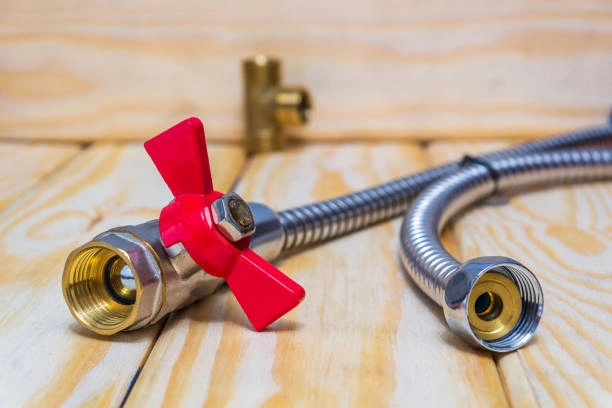
1. Introduction to Brass Valves
Brass valves offer reliable control in residential, commercial, and industrial systems. Their popularity stems from durability and corrosion resistance. Compared to other materials, brass maintains strength under pressure and temperature changes. Therefore, many plumbing and heating systems use them. These valves combine copper and zinc for balanced performance. This alloy resists mineral buildup, reducing blockages. In addition, brass works well with both water and gas lines. The metal’s stability also prevents cracking over time. For example, a brass ball valve can function for years with minimal maintenance. As a result, many engineers prefer brass for system reliability. When choosing valves, users consider longevity and ease of installation. Brass offers both. Moreover, the material resists bacterial growth better than plastic. This makes it ideal for drinking water systems. Brass valves also support a wide range of sealing options. These include rubber, PTFE, and metal seats. This flexibility simplifies integration into existing systems. If you seek long-term value, brass remains a smart choice. Start with basic understanding before comparing alternatives.
2. Durability and Strength in Harsh Environments
Brass valves withstand extreme environments better than many materials. For instance, they resist salt, moisture, and moderate chemicals. These conditions often damage plastic or iron valves quickly. However, brass maintains structural integrity over time. Additionally, brass handles pressure fluctuations without deformation. Even in high-demand systems, the metal prevents leaks and cracks. Heating systems often expose valves to high temperatures. Brass continues to perform under such heat. For outdoor use, brass tolerates UV exposure better than plastic. In agricultural irrigation, brass lasts longer despite muddy water or debris. Furthermore, brass does not rust like iron. That means fewer maintenance needs and longer intervals between replacements. Valves made of brass also survive freezing better. Unlike plastic, brass cracks less in cold climates. Therefore, brass suits both tropical and temperate regions. Long-term use cases, such as municipal systems, rely on this resilience. Over time, this strength results in cost savings. You replace brass valves less frequently than cheaper alternatives. So, investing in brass pays off in the long run.
3. Versatility Across Applications
Brass valves fit a wide range of systems and uses. You can find them in home plumbing, gas systems, and industrial processes. Their compatibility with various media makes them incredibly versatile. For instance, brass handles water, oil, air, and some chemicals. This adaptability reduces the need for multiple valve types. Moreover, brass valves come in many styles: ball, gate, check, and globe valves. That allows flexible design choices based on system requirements. HVAC systems use brass ball valves for reliable shut-off. Meanwhile, gas lines rely on compression brass fittings for leak prevention. In water heaters, pressure relief valves often use brass housings. Additionally, brass can connect to copper, PEX, or PVC piping easily. This simplifies repair and upgrades. With fewer connection issues, downtime decreases. In factories, brass controls air compressors and pneumatic lines. In agriculture, it handles fertilizer or irrigation flows. Whether you install a sprinkler or manage a refinery, brass works well. This universal functionality makes brass an attractive option for engineers and DIYers alike.
4. Corrosion Resistance and Clean Operation
Corrosion significantly reduces valve life in many systems. However, brass resists most forms of corrosion, even in hard water. This makes it suitable for homes with mineral-rich plumbing. Furthermore, brass develops a protective layer called patina. This prevents deeper corrosion from forming. Unlike iron, brass won’t flake or rust from moisture. In addition, brass does not react with most household chemicals. Therefore, it maintains purity in drinking water lines. Many local plumbing codes approve brass for potable water. Also, brass valves keep water pressure steady by avoiding internal corrosion buildup. In contrast, iron and steel valves may clog over time. Moreover, brass prevents algae and bacterial growth inside pipes. This promotes cleaner water flow and fewer hygiene issues. In laboratory settings, brass valves keep chemical interactions minimal. Brass also helps keep HVAC systems clean by reducing scale. As a result, system performance improves with less maintenance. If cleanliness and longevity matter, brass leads over cheaper materials.
5. Easy Installation and Maintenance
Brass valves simplify installation and repair. Their threads cut easily and seal tightly with basic tools. Even beginners can install brass fittings without special skills. Unlike welded iron valves, brass components connect with wrenches or pliers. This reduces installation time and cost. For example, a standard brass ball valve fits into most threaded pipe systems. Maintenance remains simple, too. Brass resists scale, which means fewer clogs and less disassembly. If a seal leaks, you can replace it without removing the entire valve. Most brass valves support replaceable stems and seats. This feature extends lifespan and avoids full replacements. Moreover, brass accepts many sealing materials. That includes Teflon tape, pipe dope, and rubber gaskets. These ensure leak-free operation even under pressure. In older homes, brass adapters help transition from outdated plumbing systems. This versatility reduces renovation challenges. If quick fixes are needed, brass delivers both speed and security. That makes it ideal for emergency repairs as well. Whether you are a plumber or a homeowner, brass simplifies your work.
6. Affordability Compared to Long-Term Value
While brass valves cost more upfront, they offer long-term savings. You replace them less often than plastic or iron valves. That reduces labor and downtime. In fact, brass valves often last 20 years or more. This reduces waste and supports sustainability goals. Energy savings may also result from better flow control. For example, smooth brass interiors reduce friction loss. That keeps pump systems running efficiently. In commercial buildings, that adds up over time. Additionally, lower maintenance costs make brass attractive to facility managers. Unlike plastic, brass handles over-torquing without cracking. This prevents frequent part replacements. While stainless steel offers similar benefits, it usually costs much more. Brass provides a strong balance between performance and price. Bulk orders often reduce per-unit costs. This makes brass more affordable in large-scale projects. You also get wide availability in stores and online. No special ordering delays slow your work. All in all, brass delivers value from installation to replacement.
7. Environmental and Health Benefits
Brass valves support eco-friendly systems. Many brass alloys meet drinking water safety standards. For example, lead-free brass complies with U.S. EPA and NSF rules. These valves minimize chemical leaching into water. That helps protect human health. In contrast, some plastics may release unwanted substances over time. Brass also allows easy recycling. Unlike mixed-material valves, pure brass can be reused in new products. This reduces landfill waste. Recycled brass maintains original performance quality. Additionally, brass valves last longer, reducing manufacturing impact. In systems that require hygiene, brass offers added peace of mind. For instance, medical gas systems use brass due to its cleanliness. Agricultural systems avoid contamination by using brass over plastics. In green building projects, brass helps achieve sustainability certifications. These include LEED and WELL ratings. Fewer failures and longer service life also support eco goals. Even the appearance of brass adds perceived quality to fixtures. That enhances both function and aesthetics in modern construction.
8. Final Thoughts: Why Brass Is the Smart Choice
Brass valves bring together performance, durability, and value. They resist corrosion, support clean water, and function reliably. Compared to plastic, they offer greater strength and longevity. Versatility across systems makes them ideal for many industries. Whether you manage a home, business, or plant, brass valves perform well. Their ease of use simplifies maintenance. Additionally, they meet strict safety and environmental regulations. Over time, brass saves money through fewer failures and repairs. With increasing demand for quality components, brass remains a trusted material. Engineers and plumbers alike prefer brass for its consistent results. Available in many forms and sizes, brass fits almost any project. Next time you choose a valve, consider more than just price. Think about durability, flexibility, and health safety. With brass, you gain reliability and long-term satisfaction. Choose smart. Choose brass.
IFAN Product Standards Overview
IFAN manufactures products in full compliance with international and regional standards to meet diverse market requirements. Our product range adheres to specifications such as ISO 15874, EN 15874, ASTM F2389, DIN 8077/8078, GB/T 18742, and NBR 15884 for PPR systems. We also follow ISO 15494, EN ISO 15494, GB/T 19472, and NBR 15494 for industrial piping applications. Standards like ASTM D1785 SCH40/SCH80, DIN 8061/8062, ISO 1452, AS/NZS 1477, and NSF/ANSI 14 apply to our PVC systems. For HDPE and gas pipes, we comply with ISO 4437, EN 12201, ASTM D2513, ASTM D3035, and GB/T 13663. Stainless steel and composite piping products meet ASTM A312, ISO 10380, ASTM F1974, and ISO 21003. Other supported standards include CSA B137, BS 7291, JIS K6741, and TIS 17-2532/1131-2535. IFAN ensures reliable quality and compatibility by meeting these globally recognized specifications.
Contact
IFAN is a professional manufacturer with of experience, dedicated to producing high-quality plastic pipes, fittings, and valves. Our products include brass valves, PPR valves, as well as various pipes and fittings to meet different customer needs. Whether you need plumbing and drainage pipes or valve products, IFAN can provide a diverse range of high-quality, cost-effective products to support your projects. Below is our contact information.
We will reply your email or fax within 24 hours.
You can call us at any time if there is any question on our production.
For more information,pls visit our webside https://www.ifanplus.com/
Pls Mailto: [email protected]
Whatsapp: + 86 19857948982























