


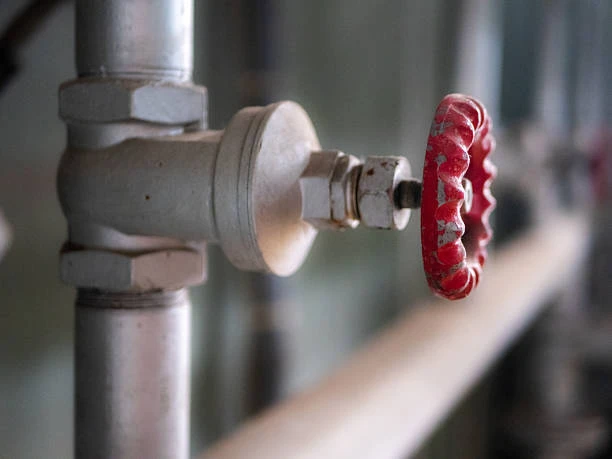
Brass shut off valves have earned a reputation for long-term reliability in plumbing systems. Their durability, corrosion resistance, and ease of use make them a preferred choice for professionals and homeowners alike. Compared to other valve materials such as plastic or zinc, brass offers better performance under pressure and across a wide temperature range. This article explores why brass shut off valves last longer, covering their structure, typical applications, purchasing advice, and installation tips, along with a comparison to alternative materials.
Frequently Asked Questions (FAQ)
What makes brass shut off valves last longer?
The strength of the brass material, its resistance to corrosion, and minimal internal wear contribute to its long lifespan.
Can brass shut off valves be used for both hot and cold water?
Yes. Brass performs well under both hot and cold water conditions, making it suitable for most residential and commercial applications.
Are all brass shut off valves lead-free?
Not all. For drinking water systems, ensure the valve is certified as lead-free according to NSF or ANSI standards.
How often should a brass shut off valve be replaced?
When properly installed and maintained, these valves can function effectively for over 20 years without needing replacement.
Is it difficult to install a brass shut off valve?
Installation is straightforward with the right tools and careful preparation. Proper sealing and alignment are key to performance.
What Is a Brass Shut Off Valve and Its Key Features
A brass shut off valve is a mechanical component that allows manual control of water or gas flow in a pipe system. Turning the valve handle opens or closes an internal mechanism—typically a ball or gate—that either permits or blocks the passage of fluid.
The most important features that contribute to the valve’s longevity include:
- Corrosion resistance: Brass resists rust and mineral buildup, even in damp or hard water environments.
- Thermal tolerance: It withstands high and low temperatures without cracking or warping.
- Mechanical strength: The material does not easily deform under pressure, which reduces internal wear.
- Smooth operation: Internal ball or gate mechanisms allow easy shutoff with minimal turning force.
- Versatile design: Available in various connection types and sizes, these valves fit well in many piping systems.
Each of these characteristics ensures a longer service life when compared to materials like plastic or zinc.
Common Applications and Industries
Brass shut off valves are used across multiple industries due to their reliability and performance. Here are some of the most common applications:
Residential Plumbing
These valves are installed under sinks, behind toilets, near water heaters, and at main water lines. They allow easy isolation of water supply for repairs or maintenance.
Commercial Buildings
Hotels, offices, hospitals, and restaurants use brass shut off valves in bathrooms, kitchens, and maintenance rooms for dependable flow control.
Industrial Systems
Manufacturing plants and equipment rooms require valves that can withstand continuous use, exposure to chemicals, and varying temperatures.
Outdoor Installations
Garden irrigation systems and outdoor faucets often use brass shut off valves due to their weather resistance.
Marine and RV Use
Brass valves are used in marine plumbing and recreational vehicles, where durable and compact components are needed for water control.
Across all these sectors, brass shut off valves deliver consistent results, even in demanding environments.
Buying Guide: How to Choose the Right Brass Shut Off Valve
When purchasing a brass shut off valve, selecting the right features ensures both compatibility and durability. Here are the key factors to consider:
Material Quality
Look for solid brass construction. Avoid plated or mixed-metal valves. For drinking water, opt for lead-free certified models that meet NSF or ANSI standards.
Valve Type
Ball valves offer a full-port design and quick shutoff with a quarter turn. Gate valves provide gradual control and are suitable for systems that remain open for long periods.
Connection Style
Select compression, threaded (NPT), or push-to-connect styles based on your existing pipe type (PEX, copper, CPVC, etc.).
Valve Size
Common residential sizes include 1/2 inch and 3/4 inch. For industrial or high-capacity lines, larger sizes may be needed.
Handle Design
Lever handles offer a clear open/closed position and are easier to operate. Knob-style handles are more compact and often used in tight spaces.
Certifications
Look for products certified by NSF, ANSI, UPC, or CSA. These standards ensure that the valve meets safety and durability requirements.
Serviceability
Choose valves with accessible internal parts or replaceable seals. This can extend the life of the valve even further.
By carefully evaluating these factors, you’ll be able to select a brass shut off valve that provides superior longevity and performance.
Installation Tips for Longevity
Proper installation is essential for maximizing the lifespan of any shut off valve. Follow these tips to ensure the best results:
Turn Off the Water Supply
Before starting, shut off the main water valve to avoid leaks or spills during the process.
Clean the Pipe Ends
Use a cloth or sandpaper to remove dirt, corrosion, or debris from pipe ends before connection.
Use Thread Seal Tape or Compound
Apply Teflon tape or thread sealant to male threads. This ensures a tight, leak-free connection and prevents corrosion at joints.
Align the Valve Correctly
Install the valve so that the handle has enough space to rotate fully and comfortably.
Avoid Over-Tightening
Tighten fittings securely but gently. Excessive force can damage threads or cause cracking.
Test the Valve
Once installed, restore water pressure and test the valve by turning it on and off. Check for leaks and ensure the handle operates smoothly.
Insulate If Necessary
In cold climates, wrap outdoor valves in foam insulation to protect against freezing and prolong valve life.
With proper installation, a brass shut off valve will perform reliably for decades with minimal maintenance.
Brass Shut Off Valves vs. Other Valve Materials
Understanding how brass shut off valves compare to those made from other materials highlights why they last longer.
Compared to plastic valves, brass offers significantly higher strength and heat resistance. Plastic is inexpensive but tends to crack or deform over time, especially in hot water lines or outdoor conditions.
When compared with zinc alloy valves, brass stands out in terms of corrosion resistance and pressure tolerance. Zinc-based valves are often less durable and may not hold up under repeated use.
Brass also provides a cost-effective alternative to stainless steel valves, which are stronger and more corrosion-resistant but come with a much higher price. For most residential and commercial plumbing systems, brass delivers the best balance between cost and longevity.
In summary, brass outperforms most materials by combining mechanical strength, corrosion resistance, and long-term reliability in one product.
Conclusion
Brass shut off valves offer a long-lasting and dependable solution for managing water and gas flow in plumbing systems. Their superior durability, resistance to corrosion, and ability to perform under high pressure and temperature conditions make them a smart choice for almost any application.
From homes to commercial and industrial environments, these valves consistently deliver years of trouble-free operation. Choosing the right valve, installing it correctly, and selecting high-quality materials ensures that your plumbing system remains efficient and safe.
Ultimately, brass shut off valves last longer because they are engineered for tough conditions and built from one of the most reliable metals available. For those seeking a valve that combines strength, performance, and longevity, brass is the clear winner.
Contact IFAN for Catalogs and Samples
Need technical documents, catalogs, or sample products? Reach out to IFAN today.
📧 Email: [email protected]
📱 Whatsapp: +86 19857948982
Our team responds quickly and provides professional support for all your pipeline needs.
IFAN international standard
IFAN piping systems comply with a wide range of international standards to ensure high quality and performance. These include ASTM F1974 and ASTM F1281 for multilayer piping systems, CSA B137 for Canadian plumbing applications, DIN 16836 for German technical specifications, GB18997 for Chinese standards, and ISO 21003, which covers multilayer piping systems used for hot and cold water installations. This broad certification scope highlights IFAN’s commitment to global compliance and product reliability.























