


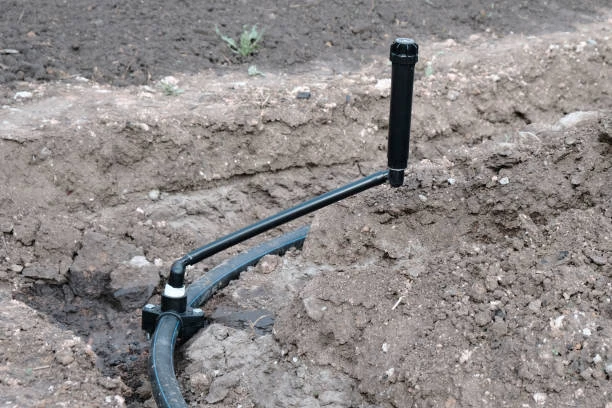
Irrigation is crucial for the successful cultivation of crops and the efficient use of water resources. In modern agriculture, efficient irrigation systems are essential to ensure proper water distribution to plants, leading to better yields and sustainable water usage. One of the most effective materials used for irrigation systems is High-Density Polyethylene (HDPE) pipes. These pipes have gained widespread popularity due to their many advantages, including durability, flexibility, cost-effectiveness, and resistance to various environmental factors. This article delves into the significance of HDPE pipes in water transport for irrigation, exploring their benefits, applications, installation procedures, and much more.
1. Understanding HDPE Pipes
HDPE pipes are made from high-density polyethylene, a thermoplastic polymer that is renowned for its strength, flexibility, and resistance to chemicals. Unlike traditional materials like metal or concrete, HDPE pipes are lightweight and easy to handle. Additionally, HDPE is resistant to corrosion, which is a common issue with other piping materials exposed to water and various chemicals. This makes HDPE pipes an excellent choice for irrigation systems that require both durability and flexibility.
The primary reason for the growing use of HDPE pipes in irrigation is their ability to provide efficient water transport over long distances. These pipes are used to deliver water to crops in agriculture, landscapes, and even golf courses. Due to their smooth inner surface, they minimize friction and ensure optimal water flow with minimal energy loss. In addition, HDPE pipes are UV-resistant, which makes them suitable for outdoor installations.
2. Benefits of HDPE Pipes for Irrigation Systems
Several key benefits make HDPE pipes an ideal solution for irrigation systems. Let’s explore these advantages in more detail.
Durability and Longevity
HDPE pipes are highly durable, and their life expectancy can exceed , depending on the installation conditions and maintenance. Unlike metal pipes that corrode or concrete pipes that crack under pressure, HDPE pipes are resistant to wear and tear, ensuring that the irrigation system remains functional over the long term. This durability minimizes the need for frequent replacements, thus reducing the overall cost of the irrigation system.
Resistance to Corrosion and Chemicals
One of the standout features of HDPE irrigation pipes is their resistance to corrosion. In traditional irrigation systems, metal pipes often suffer from rust and corrosion due to continuous exposure to water. HDPE pipes, on the other hand, do not corrode over time. This resistance also extends to a wide range of chemicals, including fertilizers and pesticides. As a result, HDPE pipes maintain their structural integrity in environments that are subject to harsh chemicals, ensuring the consistent and safe delivery of water to crops.
Flexibility and Ease of Installation
HDPE pipes are incredibly flexible, making them easy to install, even in challenging terrain. The flexibility of these pipes means they can be bent to fit the layout of the land without requiring additional fittings or joints. This reduces installation costs and time, making the process faster and more efficient. Furthermore, HDPE pipes can withstand ground movements, which is a significant advantage in areas prone to shifting soil or seismic activity.
Cost-Effectiveness
Compared to traditional piping materials, HDPE pipes are cost-effective both in terms of initial investment and maintenance. The material is relatively inexpensive, and installation is quicker and simpler, reducing labor costs. Furthermore, because these pipes have a long lifespan and require minimal maintenance, they provide substantial savings over time. Additionally, the smooth inner surface of HDPE pipes ensures that water flows efficiently, reducing energy costs associated with pumping water.
3. Applications of HDPE Pipes in Irrigation
HDPE pipes are versatile and can be used in various irrigation applications. They are suitable for a range of systems, from small-scale agriculture to large, commercial irrigation projects. Let’s examine some of the key applications where HDPE pipes are commonly used.
Drip Irrigation Systems
Drip irrigation is one of the most water-efficient methods of irrigation. HDPE pipes are used to transport water directly to the roots of plants, ensuring that water is delivered precisely where it is needed. Drip irrigation reduces water wastage by minimizing evaporation and runoff. HDPE pipes are ideal for this system because their smooth interior prevents clogging, ensuring the system operates efficiently over time.
Sprinkler Systems
In sprinkler irrigation systems, HDPE pipes serve as the main conduit for transporting water from the source to the sprinklers. These pipes deliver water over large areas, ensuring uniform distribution. HDPE pipes are particularly useful in sprinkler systems due to their durability and resistance to pressure, ensuring that water flows smoothly and consistently, even under high pressure.
Subsurface Irrigation
In subsurface irrigation systems, water is delivered beneath the surface of the soil, ensuring that it reaches the roots directly. HDPE pipes are often used for this purpose because they are flexible and can be installed at various depths. This type of irrigation is highly effective in arid regions where water conservation is critical. By using HDPE pipes, water is delivered directly to the root zone, reducing evaporation and surface runoff.
Agricultural Water Transport
In larger agricultural operations, HDPE pipes are used to transport large volumes of water from the source to the fields. These pipes can handle high-flow rates and are durable enough to withstand the demands of large-scale irrigation systems. Whether for flood irrigation or center pivot systems, HDPE pipes can be used to move water efficiently across vast distances.
4. HDPE Pipes in Various Environments
HDPE irrigation pipes are designed to perform well in a variety of environmental conditions. Whether in cold climates, arid regions, or areas with high water salinity, HDPE pipes offer reliable and consistent performance.
Cold Climates
In regions that experience freezing temperatures, HDPE pipes are an excellent choice. These pipes are resistant to frost damage and can expand and contract with temperature fluctuations without cracking. This makes them ideal for areas where pipes are exposed to freezing and thawing cycles. Unlike metal pipes, which are prone to bursting in cold weather, HDPE pipes remain intact and maintain their functionality.
Arid and Semi-Arid Regions
HDPE pipes are particularly beneficial in arid and semi-arid regions where water conservation is crucial. Due to their low friction coefficient, HDPE pipes ensure efficient water flow, reducing the amount of energy needed for pumping water. Moreover, the durability and resistance to corrosion make them well-suited for areas with limited water resources, ensuring that water is transported efficiently and effectively.
High-Salinity Water
HDPE pipes are resistant to high-salinity water, which makes them suitable for irrigation in coastal or saltwater-prone areas. In these regions, the ability of HDPE pipes to resist corrosion from saltwater ensures that the pipes maintain their integrity over time. This is particularly important in agricultural areas where irrigation systems are often exposed to saltwater or brackish water sources.
5. Installation Process of HDPE Pipes
The installation of HDPE pipes is straightforward but requires careful planning and execution. Below are the key steps involved in the installation process:
Site Preparation
Before beginning the installation, it is crucial to assess the terrain and plan the layout of the irrigation system. The ground should be leveled to ensure that the pipes are laid in a stable position. In areas with rocky or uneven surfaces, additional excavation may be required to create a suitable path for the pipes.
Pipe Cutting and Jointing
HDPE pipes can be easily cut to the required length using a pipe cutter or saw. Once the pipes are cut, they need to be joined. HDPE pipes are typically joined using heat fusion, which involves melting the ends of the pipes and then joining them together. This creates a seamless, durable connection that prevents leaks. For smaller installations, mechanical fittings can also be used.
Pressure Testing
After the pipes are installed, they should undergo pressure testing to ensure that there are no leaks and that the system is functioning correctly. This is particularly important for large irrigation systems where the efficiency of water transport is critical.
6. Maintenance of HDPE Irrigation Pipes
HDPE irrigation pipes require minimal maintenance due to their durability and resistance to corrosion. However, periodic checks should be performed to ensure that the pipes remain in good condition. The following steps are recommended for maintenance:
- Inspection: Regularly inspect the pipes for any signs of damage, such as cracks or blockages.
- Cleaning: Occasionally flush the pipes to remove any dirt, debris, or buildup that may impede water flow.
- Pressure Testing: Conduct pressure tests periodically to ensure that the system is functioning properly and that there are no leaks.
7. Conclusion
HDPE pipes are a highly effective solution for water transport in irrigation systems. Their durability, flexibility, cost-effectiveness, and resistance to corrosion make them ideal for use in various agricultural applications. Whether for drip irrigation, sprinkler systems, or large-scale agricultural water transport, HDPE pipes provide reliable and efficient water delivery. With minimal maintenance and a long lifespan, they offer significant long-term savings, making them an excellent choice for farmers and businesses looking to improve their irrigation systems. As water conservation becomes increasingly important, HDPE pipes continue to play a vital role in ensuring sustainable and efficient irrigation practices.
IFAN international standard
IFAN’s HDPE products comply with various international standards, ensuring quality, durability, and reliability. These standards include ASTM D3035 and ASTM D3350, which define specifications for polyethylene (PE) pipes and materials. The ISO 4427 and EN 12201 series set global benchmarks for PE pipes used in water supply systems. Additionally, DIN 8074/8075 and GB/T 13663 establish performance and dimension requirements for HDPE pipes in European and Chinese markets. Other recognized standards, such as AS/NZS 4130 (Australia/New Zealand), JIS K6760 (Japan), BS 6572 (UK), and CSA B137.1 (Canada), further demonstrate IFAN’s commitment to meeting industry regulations worldwide.
Contact
IFAN is a professional manufacturer with of experience, dedicated to producing high-quality plastic pipes, fittings, and valves. Our products include brass valves, PPR valves, as well as various pipes and fittings to meet different customer needs. Whether you need plumbing and drainage pipes or valve products, IFAN can provide a diverse range of high-quality, cost-effective products to support your projects. Below is our contact information.
We will reply your email or fax within 24 hours.
You can call us at any time if there is any question on our production.
For more information,pls visit our webside https://www.ifanplus.com/
Pls Mailto: [email protected]
Whatsapp: + 86 19857948982























