


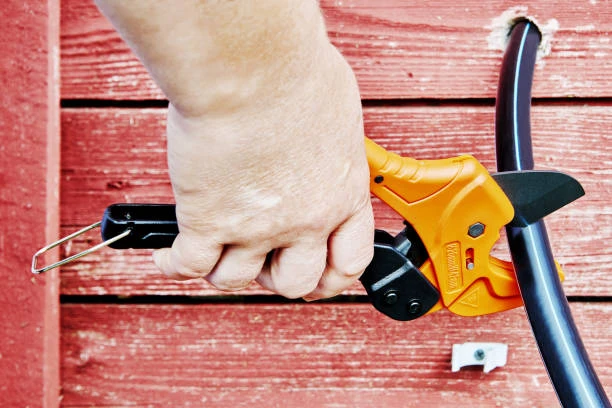
Water conservation has become a critical issue in modern agriculture, especially with changing climate patterns and increasing demands on water resources. Efficient irrigation is key to managing water usage in agriculture, ensuring that crops receive sufficient water while minimizing waste. HDPE (High-Density Polyethylene) irrigation pipes play a significant role in achieving these goals. These pipes offer numerous water-saving benefits, improving irrigation efficiency, reducing water waste, and helping farmers optimize water use. In this article, we explore how HDPE irrigation pipes contribute to water conservation, focusing on their advantages in water delivery, reduced leakage, and overall efficiency.
1. Understanding HDPE Irrigation Pipes
Before diving into the water-saving benefits, it’s essential to understand what makes HDPE pipes a popular choice in irrigation systems. HDPE pipes are made from high-density polyethylene, a durable, flexible plastic material. These pipes are known for their resistance to corrosion, long lifespan, and flexibility, which makes them ideal for various types of irrigation systems. They are available in different sizes, which allows for customization based on the specific needs of the irrigation system.
In irrigation, HDPE pipes are preferred due to their smooth internal surface, which reduces friction and ensures efficient water flow. The pipes’ flexibility allows them to adapt to different terrains, making them suitable for both flat and uneven fields.
2. Improved Water Delivery Efficiency
One of the primary ways HDPE irrigation pipes save water is by improving the efficiency of water delivery to crops. Efficient water delivery minimizes water wastage and ensures crops receive the correct amount of water.
2.1. Smooth Inner Surface Reduces Friction
The smooth inner surface of HDPE pipes allows water to flow with minimal resistance. Other types of pipes, such as those made from concrete or metal, often have rough surfaces that cause friction and slow down the flow of water. This increased resistance leads to higher pressure loss and less efficient water delivery. HDPE pipes, on the other hand, allow water to flow quickly and efficiently, ensuring that crops receive the proper amount of water without excessive pressure or flow loss.
Because the water moves smoothly through the HDPE pipes, farmers can achieve more precise irrigation, reducing the chances of over-watering or under-watering. This precision helps optimize water usage and prevents water waste, which is especially important in areas facing water scarcity.
2.2. Consistent Flow Reduces Waste
HDPE pipes ensure that water flows consistently throughout the irrigation system. Traditional systems often experience uneven water distribution due to pipe wear, clogging, or poor design. Inconsistent water flow leads to some areas receiving too much water, while others receive too little, which results in water waste.
With HDPE pipes, the smoothness and durability of the material ensure a steady, uniform flow of water. This reduces the need for excessive watering and helps ensure that every part of the field gets the right amount of moisture. Consistent flow also reduces the likelihood of system malfunctions, further minimizing water waste.
3. Minimizing Leakage
Leaks in irrigation systems waste significant amounts of water. HDPE pipes are designed to minimize the risk of leakage, making them a highly efficient option for water conservation.
3.1. Joint Integrity and Sealing
HDPE pipes are typically joined using fusion welding techniques, which create strong, leak-free joints. This process ensures that the connections between the pipes are as durable as the pipes themselves. Unlike traditional pipes, which rely on mechanical fittings and seals, HDPE pipes form continuous, seamless connections that prevent water from escaping.
Leaks often occur at the joints or fittings of traditional pipe systems. These systems require multiple connectors and seals, each of which can deteriorate over time, leading to leakage. By reducing the number of joints and ensuring stronger connections, HDPE pipes significantly decrease the chances of leakage, which saves water and reduces the need for repairs.
3.2. Resistance to Environmental Factors
HDPE pipes are resistant to corrosion, which is a common cause of leaks in other types of pipes. Over time, corrosion can weaken pipes, leading to cracks, holes, and eventual leakage. The ability of HDPE pipes to resist corrosion ensures they remain intact longer, reducing the likelihood of water loss due to pipe deterioration.
Additionally, HDPE pipes can withstand extreme temperatures and harsh environmental conditions, including exposure to UV rays. This durability makes them ideal for outdoor irrigation systems, where exposure to weather and soil conditions can otherwise damage traditional pipes.
3.3. Self-Reinforcing Properties
The fusion welding process used to join HDPE pipes not only creates strong connections but also ensures that the pipes have self-reinforcing properties. This means that the joints are less likely to become loose over time, even in environments where the pipes experience significant pressure or movement. As a result, HDPE pipes maintain their integrity longer, minimizing leaks and water loss.
4. Resistance to Clogging and Debris Buildup
Clogs in irrigation pipes can disrupt water flow and lead to inefficient irrigation, causing water wastage. Traditional pipes are often prone to debris buildup inside, especially if the water contains minerals, sand, or other particles. Over time, these blockages can cause reduced water flow, requiring the system to use more water to achieve the desired irrigation.
4.1. Smooth Interior Prevents Debris Build-Up
The smooth interior of HDPE pipes prevents the buildup of debris, which reduces the chances of blockages. Because there is minimal friction, water and any particles it carries move smoothly through the pipe, preventing sediment from settling and causing clogs. This smooth flow reduces the need for frequent cleaning or maintenance, which saves time and labor while conserving water.
4.2. Fewer Interruptions for Maintenance
Since HDPE pipes are resistant to clogging and require less maintenance, the irrigation system operates without interruptions. Traditional systems often require frequent maintenance to clear clogs or replace damaged sections. This downtime can lead to inefficient water delivery and unnecessary water loss. By reducing the need for constant maintenance, HDPE pipes ensure that water is consistently delivered to crops, without delays or excessive use.
5. Durability and Long Lifespan
The durability of HDPE pipes further contributes to water conservation over the long term. Since these pipes last for decades, farmers don’t need to replace them frequently, which saves both money and water. The longer lifespan of HDPE pipes also ensures that irrigation systems run efficiently without needing major repairs, reducing water loss caused by system malfunctions.
5.1. Resistance to Wear and Tear
HDPE pipes are highly resistant to wear and tear, even in challenging conditions. Whether buried underground or exposed to direct sunlight, HDPE pipes maintain their performance over time, ensuring that the irrigation system remains intact. This durability reduces the need for repairs or replacements, which can disrupt irrigation and cause water wastage.
5.2. Longer Service Life Means Less Frequent Replacements
Traditional pipes, especially those made from metal or concrete, can deteriorate over time due to corrosion, oxidation, or cracking. These issues require regular replacement or repairs, increasing the risk of water loss during the process. Since HDPE pipes last longer, they reduce the frequency of replacements, minimizing water wastage during system downtimes.
6. Precision Irrigation and Control
HDPE irrigation pipes offer the ability to implement precision irrigation systems, such as drip irrigation or subsurface irrigation. These systems deliver water directly to the plant roots, where it is most needed, rather than spraying water over the entire field. This targeted approach ensures that water reaches only the areas that require it, reducing water waste.
6.1. Drip Irrigation Efficiency
In drip irrigation systems, HDPE pipes deliver small amounts of water directly to the roots of the plants. This method is highly efficient and reduces water waste compared to traditional irrigation methods, which may flood the entire field. By using HDPE pipes in drip systems, farmers can ensure that water is delivered in the right amounts and at the right time.
6.2. Subsurface Irrigation
Subsurface irrigation, which involves burying pipes beneath the soil, is another efficient method that can be implemented with HDPE pipes. This system delivers water directly to the root zone, reducing evaporation and surface runoff. By minimizing water loss, subsurface irrigation conserves water while maintaining healthy crops.
7. Conclusion
HDPE irrigation pipes offer significant advantages when it comes to water conservation. Their smooth interior, resistance to leakage, and durability all contribute to more efficient irrigation systems. HDPE pipes reduce water waste by ensuring consistent water delivery, minimizing the risk of leaks and clogs, and allowing for precision irrigation methods like drip and subsurface irrigation. Their long lifespan and resistance to corrosion further ensure that these pipes remain effective for years, providing reliable water delivery without the need for frequent repairs or replacements.
As water conservation becomes more critical in agriculture, HDPE pipes provide an effective and reliable solution for farmers. By improving the efficiency of irrigation systems and reducing water waste, HDPE pipes help farmers conserve one of the world’s most precious resources. With their numerous water-saving benefits, HDPE irrigation pipes are an essential tool for sustainable farming practices in today’s water-scarce world.
IFAN international standard
IFAN’s HDPE products comply with various international standards, ensuring quality, durability, and reliability. These standards include ASTM D3035 and ASTM D3350, which define specifications for polyethylene (PE) pipes and materials. The ISO 4427 and EN 12201 series set global benchmarks for PE pipes used in water supply systems. Additionally, DIN 8074/8075 and GB/T 13663 establish performance and dimension requirements for HDPE pipes in European and Chinese markets. Other recognized standards, such as AS/NZS 4130 (Australia/New Zealand), JIS K6760 (Japan), BS 6572 (UK), and CSA B137.1 (Canada), further demonstrate IFAN’s commitment to meeting industry regulations worldwide.
Contact
IFAN is a professional manufacturer with of experience, dedicated to producing high-quality plastic pipes, fittings, and valves. Our products include brass valves, PPR valves, as well as various pipes and fittings to meet different customer needs. Whether you need plumbing and drainage pipes or valve products, IFAN can provide a diverse range of high-quality, cost-effective products to support your projects. Below is our contact information.
We will reply your email or fax within 24 hours.
You can call us at any time if there is any question on our production.
For more information,pls visit our webside https://www.ifanplus.com/
Pls Mailto: [email protected]
Whatsapp: + 86 19857948982























