


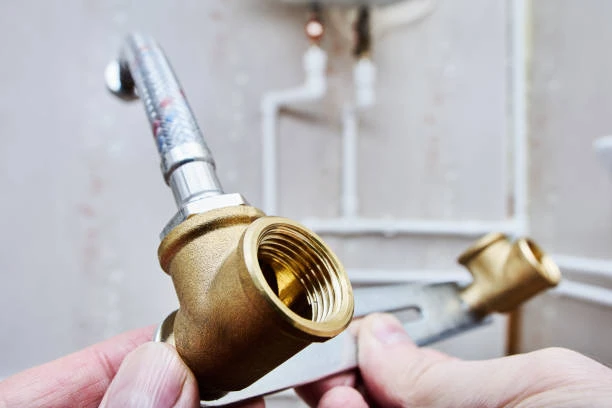
Brass compression fittings offer an efficient, reliable, and adaptable solution for connecting pipes and tubes in various systems. These fittings suit numerous applications, from plumbing and gas lines to HVAC and industrial processes. Their versatility, combined with ease of installation and durable performance, makes them a top choice for both DIY users and professionals. In this article, you’ll learn what brass compression fittings are, how they work, where to use them, and why they stand out compared to other types of fittings.
Frequently Asked Questions (FAQ)
1. What are brass compression fittings used for?
They connect two pieces of pipe or tubing using mechanical compression. Common uses include water, gas, and air systems.
2. Do they require special tools for installation?
No. You only need standard wrenches to tighten and secure the fittings.
3. Are brass compression fittings reusable?
Yes. In many cases, you can reuse them by replacing the ferrule and ensuring the parts remain undamaged.
4. Can I use them with plastic pipes?
Yes, as long as you use pipe inserts or stiffeners to support the pipe and maintain a proper seal.
5. Are these fittings suitable for high-pressure systems?
Yes. They handle moderate to high pressures, depending on the size, pipe type, and manufacturer specifications.
Definition and Key Characteristics of Brass Compression Fittings
Brass compression fittings are mechanical connectors used to join pipes or tubes by applying pressure through a nut and ferrule. This creates a tight seal without the need for soldering, welding, or adhesives.
Main Components:
- Body: The central part that holds the connection.
- Compression Nut: A threaded nut that tightens onto the body.
- Ferrule (Olive): A ring that compresses onto the pipe to form the seal.
Notable Characteristics:
- Strong and Reliable Seal: The ferrule compresses around the pipe, creating a watertight and airtight joint.
- Tool-Free Heat: No heat, flame, or curing time is needed—making them ideal for enclosed or sensitive environments.
- Versatility: Compatible with copper, PEX, and some plastic tubing.
- Durability: Brass resists corrosion, pressure changes, and temperature fluctuations.
- Maintenance-Friendly: Fittings can be removed, inspected, and reused with minimal disruption.
These characteristics explain why brass compression fittings are valued across so many fields.
Common Uses and Applications
Thanks to their strength and ease of use, brass compression fittings appear in a wide range of industries and systems. Let’s explore some of the most common uses:
Plumbing Systems
Brass compression fittings connect water supply lines, shutoff valves, and faucet inlets. They work well in residential, commercial, and institutional settings.
Gas Installations
Certain gas lines—including those for natural gas or propane—use compression fittings when permitted by local codes. Always verify compatibility with the system’s pressure and safety requirements.
HVAC Systems
These fittings play a key role in connecting refrigerant lines, chilled water loops, and heating coils, ensuring a leak-free system.
Industrial Equipment
Factories and processing facilities use them in systems that transport air, water, chemicals, or fuel. Their removable nature supports ongoing maintenance and reconfiguration.
Agricultural and Outdoor Use
In irrigation systems, livestock watering setups, or greenhouse piping, brass compression fittings offer corrosion resistance and reliability in changing environments.
With such widespread use, their versatility becomes clear—not only in the materials they fit but also in the industries they serve.
Buying Guide: How to Select the Right Brass Compression Fittings
Choosing the right brass compression fittings requires a clear understanding of your project’s needs. The following points help ensure optimal performance and safety:
1. Match the Pipe Type and Size
Measure your pipe’s outer diameter accurately. Also, verify whether you’re working with copper, PEX, or plastic tubing, as some require inserts for proper sealing.
2. Look for Certifications
Choose fittings that comply with recognized standards such as NSF, ASTM, CSA, ISO, or WRAS, especially for drinking water or gas applications.
3. Select the Appropriate Ferrule Type
Brass ferrules suit metal pipes, while plastic or nylon ferrules may work better with flexible tubing. For plastic pipes, always use pipe stiffeners.
4. Check the Pressure and Temperature Ratings
Ensure the fitting can handle your system’s maximum operating conditions. Most manufacturers provide data for water, gas, and air applications.
5. Consider Surface Finish and Color
Some fittings come with nickel-plated or polished finishes for enhanced corrosion resistance or visual appeal. These are ideal for exposed installations.
6. Choose Reliable Brands
Stick to reputable manufacturers with consistent quality, technical support, and warranties. Low-cost imitations may lack precision or use poor-quality brass.
By considering these factors, you can avoid leaks, ensure longevity, and simplify maintenance.
Installation Tips for Leak-Free Performance
Installing brass compression fittings is a straightforward task, but proper technique ensures long-term reliability. Follow these tips to get the best results:
Step 1: Cut the Pipe Accurately
Use a pipe cutter for a square and clean edge. Avoid jagged cuts, which may compromise the seal.
Step 2: Slide on the Compression Nut and Ferrule
Place the nut and ferrule onto the pipe. Make sure the ferrule is correctly positioned between the nut and fitting body.
Step 3: Insert the Pipe Fully
Push the pipe into the fitting body until it reaches the internal stop. This ensures proper engagement.
Step 4: Tighten the Compression Nut
Tighten the nut by hand first. Then use two wrenches—one on the fitting body and one on the nut—to secure it further. Turn approximately one full rotation past hand-tight.
Step 5: Pressure Test the System
After installation, test the system for leaks. If necessary, tighten slightly more. Avoid over-tightening, which can deform the ferrule or crack the fitting.
Extra Tips:
- Always use pipe inserts for plastic pipes.
- Don’t reuse ferrules unless recommended.
- Ensure no debris or burrs remain inside the pipe before connection.
By following these guidelines, you’ll achieve a tight, leak-free seal that lasts.
Brass Compression Fittings vs. Other Pipe Connections
To understand their strengths, compare brass compression fittings with alternative connection types. Here’s a simple text-based comparison:
Brass Compression Fittings vs. Soldered Copper Fittings
Compression fittings don’t require heat or flux, making them quicker and safer to install. Soldered joints are permanent but need more tools and skills.
Brass Compression Fittings vs. Push-Fit Fittings
Push-fit fittings offer fast, tool-free connections. However, they may not be as strong under high pressure or reusable in all cases.
Brass Compression Fittings vs. Threaded Fittings
Threaded fittings provide strong seals but require sealing compounds or tape. Compression fittings are cleaner and easier to install or remove.
Brass Compression Fittings vs. Glued PVC Fittings
PVC solvent welds are permanent and cannot be adjusted. Brass fittings allow repositioning and disassembly, offering more flexibility.
This comparison highlights the adaptable and user-friendly nature of brass compression fittings.
Conclusion
Brass compression fittings stand out as one of the most versatile and easy-to-use options for connecting pipes. Their wide compatibility, durable design, and simple installation process make them ideal for a range of industries and applications.
Whether you’re working on a home plumbing system, a commercial HVAC installation, or an industrial pipeline, these fittings offer consistent, leak-free performance. By choosing the right fitting, following the installation tips, and understanding how they compare to other options, you can make confident decisions that lead to long-term success.
Reliable, reusable, and adaptable—brass compression fittings deliver professional results with minimal effort.
Contact IFAN for Catalogs and Samples
Need technical documents, catalogs, or sample products? Reach out to IFAN today.
📧 Email: [email protected]
📱 Whatsapp: +86 19857948982
Our team responds quickly and provides professional support for all your pipeline needs.
IFAN international standard
IFAN piping systems comply with a wide range of international standards to ensure high quality and performance. These include ASTM F1974 and ASTM F1281 for multilayer piping systems, CSA B137 for Canadian plumbing applications, DIN 16836 for German technical specifications, GB18997 for Chinese standards, and ISO 21003, which covers multilayer piping systems used for hot and cold water installations. This broad certification scope highlights IFAN’s commitment to global compliance and product reliability.























