


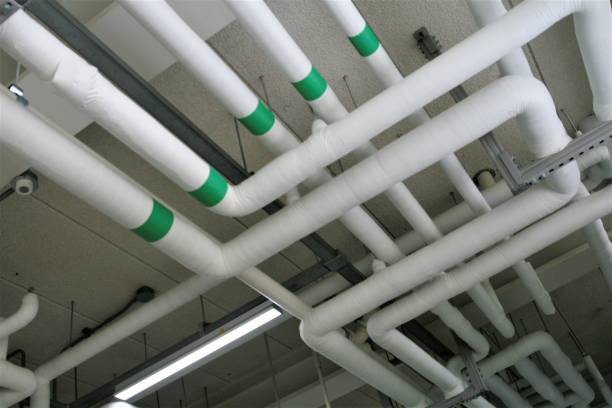
PVC flexible pipes offer unique hardness characteristics that make them suitable for various applications across multiple industries. The hardness of these pipes determines their flexibility, durability, and resistance to external pressures. This comprehensive guide explores the factors influencing PVC pipe hardness, addresses common questions about stiffness and flexibility, examines how hardness affects performance, and discusses optimal applications based on hardness levels. Understanding these aspects will help professionals select the right PVC flexible pipes for their specific needs and ensure proper installation and long-term performance.
Frequently Asked Questions (FAQ)
What factors determine the hardness of PVC flexible pipes?
Several factors influence the hardness of PVC flexible pipes. The amount and type of plasticizer added during manufacturing primarily control the flexibility and hardness. The wall thickness and pipe diameter also significantly affect hardness characteristics. The molecular structure of the PVC compound and the manufacturing process itself contribute to the final hardness properties.
How does temperature affect the hardness of PVC flexible pipes?
Temperature significantly impacts PVC pipe hardness. In cold conditions, pipes become harder and more rigid, which may reduce flexibility. In warm environments, the material softens and becomes more pliable. Most PVC flexible pipes maintain optimal hardness characteristics between 5°C and 60°C.
Can we adjust the hardness of PVC flexible pipes for specific applications?
Yes, manufacturers can adjust hardness through formulation changes. They modify plasticizer types and amounts to achieve specific hardness levels. Different PVC resin grades offer varying inherent hardness properties. Additives like stabilizers and fillers can also influence final hardness. Manufacturers typically produce pipes with different hardness ratings to suit various application requirements.
How does hardness affect the pressure rating of PVC flexible pipes?
Hardness directly influences pressure capabilities. Generally, harder pipes withstand higher internal pressures but offer less flexibility. Softer, more flexible pipes typically have lower pressure ratings. The relationship between hardness and pressure rating depends on the specific formulation and wall thickness. Manufacturers provide pressure ratings based on hardness characteristics for each pipe type.
What methods measure the hardness of PVC flexible pipes?
Industry professionals use several methods to measure PVC pipe hardness. The Shore hardness scale (Shore A and Shore D) is most common for flexible PVC products. The Rockwell hardness test provides another measurement option. Manufacturers also use bend resistance tests and compression tests to evaluate practical hardness characteristics.
Basic Definition and Key Characteristics
PVC flexible pipes possess specific hardness characteristics that define their performance and applications. The hardness refers to the material’s resistance to deformation when subjected to force or pressure. This property determines how much the pipe can bend without permanent deformation and how well it maintains its shape under load. The hardness level directly affects installation ease and long-term performance.
These pipes demonstrate a unique combination of flexibility and structural integrity. Their hardness allows them to bend around obstacles while maintaining internal pressure capacity. The material’s hardness provides resistance to crushing forces and external impacts. This balance between flexibility and rigidity makes them suitable for various installation conditions and operational requirements.
The hardness characteristics include excellent recovery properties after deformation. When properly formulated, PVC flexible pipes return to their original shape after bending or compression. This memory characteristic ensures consistent performance over time. The hardness also contributes to the pipe’s resistance to abrasion and wear during installation and use.
Different hardness levels suit different application requirements. Softer pipes offer greater flexibility for tight spaces and complex layouts. Harder versions provide better crush resistance for buried applications.
Common Uses and Application Industries
The construction industry utilizes medium-hardness PVC flexible pipes for electrical conduit applications. These pipes protect wiring while allowing easy installation through walls and ceilings. Their hardness provides crush resistance while maintaining necessary flexibility for bending around structural elements. Contractors value these pipes for their balance of protection and installation convenience.
Agriculture employs various hardness grades for different applications. Softer, more flexible pipes work well for irrigation systems requiring frequent movement and repositioning. Harder pipes serve well for permanent underground irrigation lines where crush resistance is crucial. Medium hardness pipes are used for drainage systems where some flexibility helps with ground movement accommodation.
Industrial applications select hardness levels based on specific needs. Chemical processing plants use harder pipes for high-pressure fluid transfer. Manufacturing facilities choose medium hardness pipes for ventilation systems requiring some flexibility. Mining operations utilize extra-hard pipes for slurry transport where abrasion resistance is essential.
The automotive industry uses specially formulated PVC flexible pipes for various applications. Softer pipes work for drainage systems and fluid transfer lines. Harder versions serve as protective conduits for wiring and cables. The specific hardness chosen depends on vibration resistance requirements and temperature exposure expectations.
Plumbing applications benefit from different hardness levels based on installation requirements. Softer pipes are ideal for tight spaces under sinks and behind walls. Harder pipes work better for main drain lines where structural integrity is paramount. Medium hardness pipes serve well for general water supply applications balancing flexibility with pressure capacity.
Conclusion
The hardness of PVC flexible pipes plays a crucial role in determining their suitability for various applications. Understanding how hardness affects flexibility, pressure rating, and durability helps professionals select the right pipes for their specific needs. The ability to choose from different hardness levels makes PVC flexible pipes versatile solutions for numerous industries.
Manufacturers continue to develop new formulations that offer improved hardness characteristics. These advancements provide better performance in extreme temperatures and challenging environments. The ongoing innovation in PVC technology ensures that users can always find pipes with appropriate hardness for their applications.
Proper selection based on hardness requirements ensures optimal performance and longevity. Considering factors like installation conditions, pressure requirements, and environmental exposure helps make informed decisions. The right hardness choice contributes to successful installations and reliable long-term operation.
As technology advances, we can expect even more specialized hardness options for specific applications. This continued development will further expand the usefulness of PVC flexible pipes across various industries. Understanding hardness characteristics remains essential for maximizing the benefits of these versatile piping solutions.
Contact IFAN for Catalogs and Samples
Need technical documents, catalogs, or sample products? Reach out to IFAN today.
📧 Email: [email protected]
📱 Whatsapp: +86 19857948982
Our team responds quickly and provides professional support for all your pipeline needs.
IFAN international standard
IFAN piping systems comply with a wide range of international standards to ensure high quality and performance. These include ASTM F1974 and ASTM F1281 for multilayer piping systems, CSA B137 for Canadian plumbing applications, DIN 16836 for German technical specifications, GB18997 for Chinese standards, and ISO 21003, which covers multilayer piping systems used for hot and cold water installations. This broad certification scope highlights IFAN’s commitment to global compliance and product reliability.























