


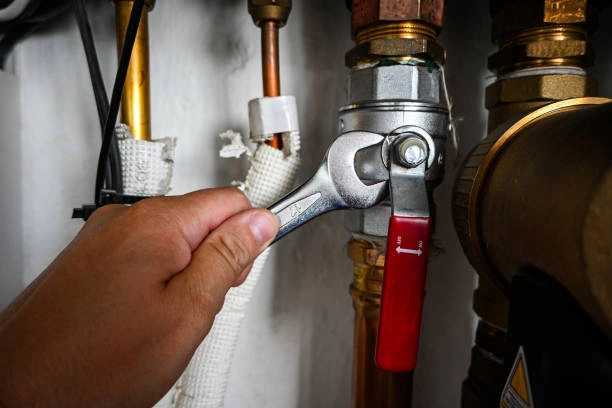
1. Introduction to Pressure Relief Valves
Pressure relief valves play a vital role in pressure regulation. Specifically, they protect systems from dangerous pressure buildup. These devices open once internal pressure exceeds a set threshold. As a result, they prevent explosions, leaks, or structural damage. Valves operate automatically, ensuring constant system protection. Engineers often install them in oil, gas, water, and chemical systems. A typical valve includes a spring, disc, and seat. The spring holds the disc in place until pressure becomes too strong. Consequently, the valve opens to release excess pressure. Once pressure drops, the valve closes again. This reliable cycle preserves safety and equipment integrity. For example, steam boilers use these valves to manage surges. Selecting the correct valve requires knowledge of pressure limits and fluid types. An undersized valve fails during emergencies. Conversely, an oversized valve activates unnecessarily. Therefore, choosing the correct size and type remains essential. Engineers also consider system temperature, flow rate, and installation space. Without such evaluation, serious risks may arise. In short, understanding how valves function lays the foundation for safer design and maintenance. Every detail, from material choice to setting pressure, matters greatly. So, start with the basics before advancing to more complex specifications.
2. How Pressure Relief Valves Work
To understand operation, consider the interaction between force and resistance. A relief valve stays closed due to a spring. As pressure builds, it pushes against the spring’s force. Eventually, this pressure overcomes the spring, causing the valve to open. Then, excess fluid or gas exits safely. As pressure normalizes, the spring re-seats the valve. This rapid action prevents catastrophic equipment failure. For instance, in an air compressor system, this mechanism limits overpressure risks. Relief valves operate purely mechanically. Therefore, they do not rely on electricity or sensors. This simplicity increases reliability in harsh environments. You can also adjust spring tension to change the pressure threshold. Some valves include test levers for manual checks. Others feature tamper-resistant seals. In all cases, immediate response ensures effectiveness. Delayed opening or sticking leads to danger. Testing confirms whether settings remain consistent. Over time, mechanical parts may wear. If that happens, performance declines, and safety decreases. Thus, select high-quality valves for critical uses. Always verify installation direction to ensure proper operation. Also, monitor valve behavior under different pressure conditions. Ultimately, knowing how these valves function allows for better system design and maintenance.
3. Types of Pressure Relief Valves
Relief valves come in several types to suit various systems. First, spring-loaded valves remain the most common. These use a spring to control the opening pressure. Next, pilot-operated valves offer greater precision. These use system pressure to assist valve movement. As a result, they handle higher flows more efficiently. Thermal relief valves serve another purpose. They release pressure caused by fluid expansion due to heat. For instance, pipes exposed to sunlight may need these valves. In steam systems, safety valves open rapidly and fully. This helps discharge large volumes instantly. Combined pressure safety valves offer multi-function protection. Furthermore, pressure-vacuum relief valves protect tanks from both high and low pressures. These prevent tank deformation during filling or emptying. Meanwhile, rupture discs provide one-time relief by bursting under pressure. These suit corrosive or high-risk systems. When selecting a valve type, always consider medium, pressure range, and environment. For example, chemical processing plants use corrosion-resistant pilot valves. In contrast, water lines may only need spring-loaded models. Each design offers advantages and drawbacks. Understanding the function of each type simplifies proper selection. Always consult application charts and manufacturer data. That way, you ensure compatibility and performance.
4. Sizing and Selection Guidelines
Choosing the correct valve size is critical for safe operation. Begin by identifying the maximum flow rate. Then, determine the allowable pressure setting. Use this data to calculate the required orifice size. If the valve is too small, it cannot relieve pressure fast enough. On the other hand, oversized valves may open too frequently. Both situations harm system efficiency and safety. For instance, a small valve in a high-pressure pump may fail during spikes. Therefore, sizing tools from manufacturers prove invaluable. These tools account for media type, temperature, and backpressure. Next, check the valve’s pressure and temperature ratings. Select materials based on fluid type. For corrosive liquids, stainless steel offers better resistance. For water systems, brass or bronze may suffice. Also, examine mounting orientation—horizontal or vertical matters. Avoid placing valves in hard-to-access locations. For example, rooftop installations require weather-resistant features. Consider external conditions like vibration, heat, and dust. Additionally, look for valves with removable parts for easy servicing. Some models include silencers for noisy environments. Never estimate setpoints—use pressure charts to ensure precision. Finally, follow industry standards like ASME and API. Doing so ensures compliance and improves safety.
5. Installation and Setup Best Practices
Proper installation guarantees performance and reliability. Always install valves upright unless labeled otherwise. Follow directional arrows during placement. For best results, place valves near pressure sources. This minimizes response time during surges. Avoid elbows or tight bends near the inlet. These create turbulence and reduce sensitivity. Use proper threads or flanges for secure connections. Overtightening causes cracks or leaks. Always clean pipelines before installation. Dirt or debris can damage internal parts. For steam applications, use drip legs to remove condensation. This prevents rust and improves function. Secure the valve to avoid vibrations. Label each unit with set pressure and installation date. Install pressure gauges nearby to monitor performance. Use test ports to simplify routine checks. Never cap the outlet unless it leads to a safe discharge point. For example, connect it to a drain pipe or tank. Ensure the outlet size matches expected flow. Also, avoid installing valves near heat sources. Excessive heat affects spring tension and material strength. Shield sensitive components if exposure is unavoidable. Finally, confirm that each valve matches system specifications. Even minor mismatches compromise safety. Always verify details before completing installation.
6. Maintenance and Testing Procedures
Routine maintenance extends service life and ensures function. Start by inspecting valves at regular intervals. Every six months works for most systems. Check for signs of leakage, rust, or mechanical damage. Test valves under actual or simulated pressure. Use bench testers or in-line systems. Document opening and closing pressures. Compare results with factory settings. Replace any damaged or misaligned components. Clean internal parts using compatible solvents. Lubricate moving elements using system-approved grease. For example, use silicone grease for compressed air systems. Always keep discharge lines open during maintenance. Gradually open the valve to release pressure safely. Wear protective gear when working with high-pressure systems. Check discharge pipes for residue or clogs. Flush these lines regularly in dirty environments. Maintain a detailed logbook for each valve. Include inspection dates, test results, and service notes. Label and tag each serviced valve clearly. Keep spare parts organized and readily available. Store them in clean, dry conditions. Avoid stacking or rough handling. For critical systems, rotate backup valves during maintenance. This reduces downtime and increases system reliability. Train personnel to spot early signs of valve failure. Knowledgeable staff improve safety and reduce risks.
7. Common Problems and Troubleshooting
Several common issues can affect valve function. Leaks are often the first sign of trouble. Usually, they come from worn seats or debris. Clean or replace the seat to resolve this. Another issue is valve chatter. This occurs when the valve opens and closes rapidly. It usually indicates improper sizing or fluctuating pressure. In that case, adjust the setpoint or select a different valve. Delayed opening often results from corroded springs or blocked stems. Disassemble and clean all parts. Replace damaged components immediately. In gas systems, freezing can block valve internals. Use heaters or dehumidifiers to reduce moisture. Incorrect installation also causes problems. Always check orientation, support, and mounting angle. Backpressure from discharge pipes may alter settings. Adjust accordingly or shorten the pipe. If the valve fails to reseat, check spring condition. Weak springs require replacement. Always use original parts from trusted suppliers. Generic alternatives may not perform consistently. Document every fault and repair. Track patterns to prevent recurring issues. Finally, inspect supporting parts like gauges and fittings. Sometimes the problem lies beyond the valve. A complete check ensures total system health.
8. Applications and Industry Standards
Relief valves appear in many systems across industries. Power plants use them for boiler and turbine protection. In chemical plants, they regulate reactor pressure. HVAC systems depend on them for safe compressor operation. Water utilities install them on pumps and reservoirs. Even household water heaters contain thermal relief valves. Each use case requires specific designs. Food-grade valves must meet hygiene standards. Medical gas systems need high-precision components. Offshore platforms require corrosion-resistant materials. Fire suppression systems rely on fast-acting pressure release. Moreover, every industry follows recognized standards. For example, ASME Section VIII governs pressure vessel valves. API 520 and 526 provide rules for sizing and installation. ISO and EN standards apply worldwide. Always match the valve type to its regulatory requirements. Certified valves ensure legal and functional compliance. Keep all certificates and test data on file. Inspections may require documented proof of compliance. Standardized ratings simplify global sourcing and maintenance. When selecting valves, review manufacturer certifications. Ask for flow curves, test data, and compliance records. Never replace a certified valve with an uncertified one. In emergencies, use pre-approved alternatives only. Above all, follow the correct procedures to maintain safety and system integrity.
IFAN Product Standards Overview
IFAN manufactures products in full compliance with international and regional standards to meet diverse market requirements. Our product range adheres to specifications such as ISO 15874, EN 15874, ASTM F2389, DIN 8077/8078, GB/T 18742, and NBR 15884 for PPR systems. We also follow ISO 15494, EN ISO 15494, GB/T 19472, and NBR 15494 for industrial piping applications. Standards like ASTM D1785 SCH40/SCH80, DIN 8061/8062, ISO 1452, AS/NZS 1477, and NSF/ANSI 14 apply to our PVC systems. For HDPE and gas pipes, we comply with ISO 4437, EN 12201, ASTM D2513, ASTM D3035, and GB/T 13663. Stainless steel and composite piping products meet ASTM A312, ISO 10380, ASTM F1974, and ISO 21003. Other supported standards include CSA B137, BS 7291, JIS K6741, and TIS 17-2532/1131-2535. IFAN ensures reliable quality and compatibility by meeting these globally recognized specifications.
Contact
IFAN is a professional manufacturer with of experience, dedicated to producing high-quality plastic pipes, fittings, and valves. Our products include brass valves, PPR valves, as well as various pipes and fittings to meet different customer needs. Whether you need plumbing and drainage pipes or valve products, IFAN can provide a diverse range of high-quality, cost-effective products to support your projects. Below is our contact information.
We will reply your email or fax within 24 hours.
You can call us at any time if there is any question on our production.
For more information,pls visit our webside https://www.ifanplus.com/
Pls Mailto: [email protected]
Whatsapp: + 86 19857948982























