


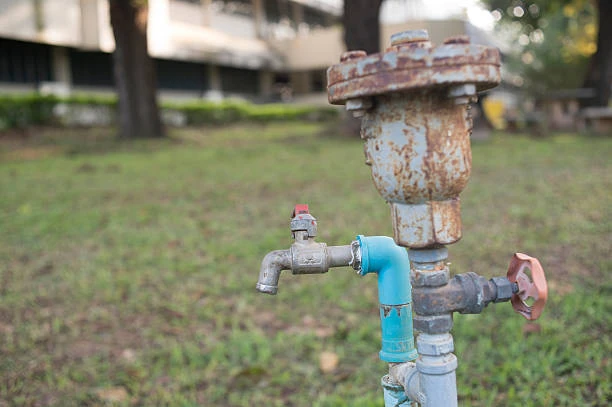
Gate valves for water are widely used due to their simple design and reliable shutoff capabilities. However, even the most robust valve systems can develop issues over time. Whether caused by wear, improper installation, or operating conditions, troubleshooting becomes essential to maintain system efficiency and prevent water loss. This article explores the key methods for identifying and resolving common problems in gate valves for water systems. Additionally, it explains their working principles, typical applications, selection criteria, and how they compare with other valve types.
Frequently Asked Questions (FAQ)
1. What causes a gate valve to leak even when closed?
Internal seat wear, debris stuck in the gate, or corrosion can cause leakage despite the valve being fully shut.
2. Why is the valve hard to operate or stuck?
A stuck valve often results from mineral buildup, stem thread damage, or lack of lubrication.
3. How do I know if a gate valve is open or closed?
Rising stem valves show the stem’s position visually. If the stem is fully extended, the valve is open.
4. Can a gate valve be repaired, or should it be replaced?
Many issues like packing leaks or stem wear can be repaired. Severe body corrosion or broken gates may require full replacement.
5. What tools are needed to troubleshoot a gate valve?
Common tools include wrenches, lubricants, wire brushes, stem packing, seal kits, and possibly a valve key for underground installations.
Understanding Gate Valves for Water: Definition and Features
Gate valves for water control the flow of liquid through a flat gate that slides up and down within the valve body. When fully open, the gate is completely out of the flow path, allowing unrestricted water flow. When closed, it forms a tight seal, preventing flow.
Key Features Include:
- Full flow passage: Results in minimal pressure drop during operation.
- Tight shutoff: Ideal for isolation applications, especially in water distribution.
- Bidirectional sealing: Works regardless of water flow direction.
- Manual or automated operation: Available in both handwheel and actuator configurations.
- Material flexibility: Offered in brass, bronze, cast iron, stainless steel, and ductile iron depending on environment.
- Compact structure: Especially when using non-rising stems.
These features make gate valves reliable, but proper use and maintenance are necessary to avoid problems over time.
Common Applications Across Industries
Gate valves are used in many water-related systems, such as:
- Municipal water distribution: Isolating specific pipeline sections for repairs or upgrades.
- Water treatment plants: Controlling inlet and outlet water flows during filtration or chemical dosing.
- Irrigation systems: Managing large water volumes in agricultural pipelines.
- Fire protection networks: Serving as isolation points for fire sprinklers and hydrants.
- Commercial and residential plumbing: Providing shutoff control for main water lines.
- Industrial water systems: Assisting in cooling systems and process water circulation.
Their versatility across sectors emphasizes the need for efficient troubleshooting strategies to maintain functionality.
Selection Guide: How to Choose the Right Gate Valve
Choosing the right gate valve helps reduce the risk of future malfunction. Important selection aspects include:
1. Material Selection
Select materials that resist corrosion and match the system’s water quality:
- Brass or bronze: Corrosion-resistant and ideal for clean water.
- Cast iron or ductile iron: Common for municipal systems.
- Stainless steel: Excellent for aggressive or high-pressure water.
- Carbon steel: Suitable for industrial water with elevated temperatures or chemicals.
2. Valve Size and Pressure Class
Make sure the valve size matches the pipeline’s diameter and the pressure rating complies with system requirements.
3. Stem Type
- Rising stem: Indicates valve position visually, suitable for above-ground applications.
- Non-rising stem: Ideal for underground or space-limited installations.
4. Connection Type
- Threaded: Easier for residential plumbing.
- Flanged: Used in industrial or municipal systems for easy removal.
- Welded: Best for permanent and leak-proof connections.
5. Sealing and Coating
Select appropriate seat types (metal or soft seal) and protective coatings (epoxy-lined or enamel) to increase valve durability.
6. Certification
Ensure compliance with standards such as NSF/ANSI 61 for potable water or AWWA specifications for municipal use.
Troubleshooting Gate Valves for Water Systems
When a gate valve malfunctions, timely diagnosis and repair prevent larger system failures. Below are common issues and solutions.
1. Valve Leaks When Closed
Causes:
- Worn or damaged sealing surfaces
- Foreign particles trapped in the gate
- Corroded or misaligned gate
Solutions:
- Disassemble the valve and inspect the sealing seat
- Remove debris with a brush or flush
- Replace the gate or seating surface if damaged
2. Valve Difficult to Operate
Causes:
- Rust or scale buildup on the stem or threads
- Lack of lubrication
- Damaged stem threads
Solutions:
- Apply appropriate valve grease
- Clean stem threads with wire brush
- Replace stem if threads are stripped
3. Valve Won’t Open or Close Fully
Causes:
- Debris blocking the gate path
- Broken stem or connection to the gate
Solutions:
- Remove valve bonnet and inspect the stem mechanism
- Remove any obstructions
- Replace broken parts as needed
4. Valve Leaks Around Stem
Causes:
- Worn packing gland
- Improper tightening of packing nut
Solutions:
- Tighten the packing nut evenly
- Replace packing with new material if leakage continues
5. Corroded Valve Body
Causes:
- Poor coating protection
- Water with high chemical content
Solutions:
- Replace the valve if corrosion is advanced
- For prevention, use properly coated or stainless-steel valves
Gate Valves for Water vs Other Valve Types
| Feature | Gate Valves for Water | Ball Valves | Globe Valves | Butterfly Valves |
|---|---|---|---|---|
| Flow Resistance | Very low | Very low | High | Low |
| Ideal Use | Isolation | Isolation | Throttling | Isolation/Control |
| Shutoff Tightness | High | Very high | High | Moderate |
| Maintenance | Easy | Easy | Moderate | Low |
| Throttling Capability | Poor | Moderate | Excellent | Moderate |
| Space Requirements | Large | Compact | Moderate | Very compact |
| Repair Complexity | Low | Low | Moderate | Low |
| Operation Cost | Low | Low | Moderate | Low |
Gate valves excel in isolation and offer excellent sealing. However, they are not suitable for precise flow regulation like globe valves.
Conclusion
Gate valves for water play a vital role in water distribution and control systems. Their simple structure and effective sealing make them reliable, but like all mechanical devices, they require regular inspection and timely repairs. By understanding common failure signs such as leakage, difficult operation, or blockage, users can quickly identify problems and take corrective action.
Selecting the right valve from the start—based on materials, stem type, size, and certification—reduces long-term maintenance needs. Moreover, knowing how to troubleshoot common issues ensures uninterrupted performance and avoids costly downtime.
For anyone managing municipal systems, industrial processes, or household water supplies, understanding and maintaining gate valves for water is essential to long-term operational success.
Contact IFAN for Catalogs and Samples
Need technical documents, catalogs, or sample products? Reach out to IFAN today.
📧 Email: [email protected]
📱 Whatsapp: +86 19857948982
Our team responds quickly and provides professional support for all your pipeline needs.
IFAN international standard
IFAN piping systems comply with a wide range of international standards to ensure high quality and performance. These include ASTM F1974 and ASTM F1281 for multilayer piping systems, CSA B137 for Canadian plumbing applications, DIN 16836 for German technical specifications, GB18997 for Chinese standards, and ISO 21003, which covers multilayer piping systems used for hot and cold water installations. This broad certification scope highlights IFAN’s commitment to global compliance and product reliability.























