


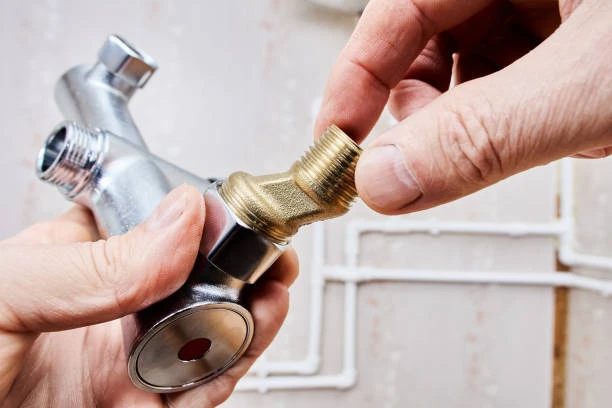
Introduction: A Time-Tested Solution for Reliable Plumbing
In modern construction and renovation projects, the quality of plumbing components plays a key role in ensuring a long-lasting and efficient system. Among all available options, copper plumbing fittings have remained a popular and trusted choice. They offer exceptional strength, reliability, and safety, making them ideal for residential, commercial, and industrial applications. With superior performance in both hot and cold water systems, copper fittings continue to stand out. In this article, we will explore the main advantages of using copper fittings in plumbing, examine their features, uses, and selection tips, and compare them with alternative materials.
Frequently Asked Questions (FAQ)
1. Why are copper fittings considered reliable in plumbing systems?
Copper fittings are highly resistant to corrosion, pressure, and heat, ensuring long-lasting performance with minimal maintenance.
2. Are copper fittings suitable for both hot and cold water systems?
Yes. Copper performs well under varying temperatures, making it ideal for both hot and cold water lines.
3. How long do copper plumbing fittings typically last?
When installed properly, copper fittings can last more than .
4. Do copper fittings require special tools for installation?
Yes. Most installations involve soldering or pressing tools, depending on the type of connection.
5. Are copper plumbing fittings eco-friendly?
Yes. Copper is a natural material that is 100% recyclable and has a long service life, reducing environmental impact.
What Are Copper Plumbing Fittings?
Copper plumbing fittings are components used to connect copper pipes within plumbing systems. They come in various shapes and sizes to perform different tasks such as directing flow, connecting sections, or sealing ends.
Some common types include:
- Elbows: Allow changes in direction, typically 45° or 90°
- Tees: Split flow into two directions
- Couplings: Join two straight sections of pipe
- Reducers: Connect pipes of different diameters
- Caps and plugs: Seal off pipe ends
These fittings are manufactured from high-quality copper, offering excellent mechanical strength and corrosion resistance. Depending on the application, fittings can be soldered, pressed, or connected using compression methods.
Common Uses and Industries
Copper plumbing fittings are incredibly versatile and suitable for a wide range of plumbing applications across different industries.
Residential Use
In homes, copper fittings are frequently used in water supply lines, both hot and cold. Their reliability and safety make them suitable for kitchens, bathrooms, and laundry systems.
Commercial Buildings
In hotels, hospitals, and office buildings, copper fittings offer dependable performance in large-scale plumbing networks. They are often preferred for their fire resistance and health safety.
Industrial Settings
Copper fittings are widely used in industrial facilities, especially in systems requiring high thermal conductivity, such as heating or cooling processes.
Fire Protection Systems
Due to their high heat resistance and non-combustibility, copper fittings are also used in fire suppression systems and sprinkler pipelines.
Renewable Energy Systems
In solar water heating systems and other green energy solutions, copper’s durability under fluctuating temperatures ensures long-term performance.
Buying Guide: How to Choose the Right Copper Fittings
When selecting copper plumbing fittings, it’s important to consider a variety of factors to ensure compatibility, safety, and durability.
1. Type of Copper
Copper pipes and fittings are classified based on wall thickness:
- Type K: Thickest wall, best for underground or heavy-duty applications
- Type L: Medium thickness, most common for residential and commercial use
- Type M: Thinner wall, often used in low-pressure systems
2. Fitting Shape and Function
Choose the fitting that matches your plumbing layout:
- Use elbows for directional changes
- Choose tees for splitting the flow
- Use couplings to join two pipe sections
- Install end caps to seal pipes safely
3. Connection Method
Copper fittings are available in different connection types:
- Solder (sweat) fittings for permanent, leak-proof joints
- Press-fit fittings for fast, tool-based installations
- Compression fittings for installations without heat or special equipment
4. Certification and Standards
Always check that the fittings meet national or international plumbing standards, such as:
- NSF/ANSI 61 for drinking water safety
- ASTM B88 for copper pipe compatibility
- UPC or CSA certification for regional compliance
5. Visual and Material Inspection
Ensure that fittings are free from dents, cracks, and manufacturing defects. High-quality copper should have a smooth, even finish with no signs of corrosion or oxidation.
Top Benefits of Copper Fittings for Plumbing
Now let’s examine the main advantages that make copper fittings a top choice in plumbing projects.
1. Longevity
Copper fittings have a proven lifespan of over five decades, making them a cost-effective solution over time. Their resistance to internal and external corrosion ensures stable performance.
2. High Pressure and Temperature Tolerance
Copper can handle both low and high pressures, as well as extreme temperatures. This makes it perfect for hot water systems and applications involving temperature variations.
3. Corrosion Resistance
Unlike some metals that rust or degrade, copper forms a protective patina that resists further corrosion, especially in potable water environments.
4. Health Safety
Copper is a natural material that doesn’t leach harmful chemicals into water. It also has antimicrobial properties, reducing the risk of bacterial growth inside the plumbing.
5. Fire Resistance
Unlike plastic materials, copper does not burn, melt, or release toxic fumes during a fire. This adds an extra layer of safety, especially in multi-story buildings.
6. Eco-Friendliness
Copper is 100% recyclable, and many fittings are made from recycled materials. Using copper helps reduce the carbon footprint of a construction project.
7. Compatibility with Modern Systems
Copper fittings work well with hybrid systems, including connections to PEX or CPVC via transition fittings. This makes them ideal for renovations or mixed-material installations.
8. Low Maintenance
Once installed, copper systems require minimal maintenance. They remain reliable and leak-free for years, reducing long-term repair costs.
These benefits explain why copper continues to be a trusted material among engineers, contractors, and homeowners.
Comparison Table: Copper Fittings vs. Other Pipe Fitting Materials
To illustrate the strengths of copper fittings, here’s a comparison with other common materials:
| Feature | Copper Fittings | PVC Fittings | PEX Fittings | Galvanized Steel |
|---|---|---|---|---|
| Durability | Excellent (50+ yrs) | Fair (20–30 yrs) | Good (25–40 yrs) | Good (30–50 yrs) |
| Corrosion Resistance | High | Moderate | Good | Low |
| Fire Resistance | Excellent | Poor | Poor | Moderate |
| Temperature Tolerance | High | Low to Moderate | Moderate | Moderate |
| Health Safety | Excellent | Good | Good | Moderate |
| Installation Difficulty | Moderate | Easy | Easy | Difficult |
| Environmental Impact | Low (recyclable) | Higher | Moderate | High |
| Initial Cost | Higher | Low | Moderate | Moderate |
The table shows that copper fittings outperform alternatives in key areas like durability, safety, and environmental impact, although they may require a slightly higher initial investment.
Conclusion: Long-Term Value and Superior Performance
Copper plumbing fittings remain one of the most dependable options for a wide range of plumbing systems. Their unmatched durability, corrosion resistance, and safety make them an ideal solution for both small residential installations and large-scale commercial networks.
Whether you’re building a new system or upgrading an old one, copper fittings provide peace of mind and a high return on investment. Their ability to perform under pressure, resist fire and corrosion, and last for decades makes them a smart and sustainable choice.
With proper selection and installation, copper fittings deliver unmatched value over the long term. For anyone seeking quality, performance, and reliability in plumbing, copper continues to be the material of choice.
Contact IFAN for Catalogs and Samples
Need technical documents, catalogs, or sample products? Reach out to IFAN today.
📧 Email: [email protected]
📱 Whatsapp: +86 19857948982
Our team responds quickly and provides professional support for all your pipeline needs.
IFAN international standard
IFAN piping systems comply with a wide range of international standards to ensure high quality and performance. These include ASTM F1974 and ASTM F1281 for multilayer piping systems, CSA B137 for Canadian plumbing applications, DIN 16836 for German technical specifications, GB18997 for Chinese standards, and ISO 21003, which covers multilayer piping systems used for hot and cold water installations. This broad certification scope highlights IFAN’s commitment to global compliance and product reliability.























