


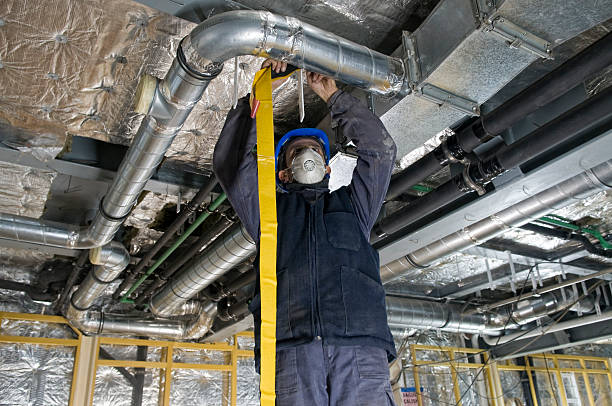
Tips for Using PPR Quick-Connect Systems in High-Temperature Conditions
PPR compression fittings, a cornerstone of PPR quick-connect systems, excel in high-temperature environments, offering durability and ease of use for plumbing and heating applications. This article provides a comprehensive guide to using these fittings effectively under high heat, covering their features, applications, and best practices. You’ll find answers to common questions, a buying guide, installation tips focused on preventing heat-related issues, and a comparison with other piping materials. By following key strategies, such as selecting quality fittings and ensuring proper installation, you can achieve a reliable, leak-free system. Whether you’re a homeowner or a professional, this guide equips you to handle PPR compression fittings in demanding conditions.
Common Questions About PPR Compression Fittings
1. What Are PPR Compression Fittings?
PPR compression fittings connect pipes using a mechanical tightening mechanism, creating a secure, leak-proof seal without welding or glue. Made from polypropylene random copolymer, they resist high temperatures and corrosion, ideal for hot water and heating systems.
2. Can PPR Compression Fittings Handle High Temperatures?
Yes, these fittings withstand temperatures up to 95°C (203°F), making them suitable for hot water supply and heating systems. Their thermal stability ensures they don’t deform or weaken under heat stress.
3. Are PPR Compression Fittings Easy to Install?
Absolutely. They require minimal tools, typically just a pipe cutter and a wrench for tightening. Their design simplifies installation, saving time and effort compared to soldering or gluing.
4. Can I Reuse PPR Compression Fittings?
Yes, most PPR compression fittings allow disassembly and reuse if undamaged. Check the sealing ring and threads for wear before reinstalling to ensure a tight connection.
5. How Long Do PPR Compression Fittings Last in High-Temperature Conditions?
With proper installation, these fittings last over , even in high-heat environments. Their resistance to thermal degradation and corrosion ensures long-term reliability.
What Is a PPR Piping System?
A PPR piping system uses polypropylene random copolymer, a durable thermoplastic, to create pipes and fittings for fluid transport. Known for its strength, PPR resists corrosion, chemicals, and temperatures up to 95°C, making it perfect for hot water and heating applications. PPR compression fittings, a key component, use a threaded mechanism to secure pipes, offering a robust connection without specialized equipment. Their smooth inner surfaces reduce friction, improving flow efficiency and preventing clogs. PPR systems are lightweight, recyclable, and energy-efficient to produce, making them an eco-friendly alternative to metal pipes. These qualities make PPR compression fittings ideal for high-temperature environments.
Common Uses and Industry Applications
PPR compression fittings shine in applications requiring heat resistance and reliability. Here’s where they’re commonly used:
- Residential Plumbing: Homeowners use PPR fittings for hot and cold water supply lines, especially in bathrooms and kitchens, due to their heat tolerance and easy installation.
- Commercial Buildings: Hotels, offices, and hospitals rely on PPR systems for hot water distribution and heating. Compression fittings ensure quick repairs with minimal downtime.
- Industrial Settings: Factories use PPR for transporting heated fluids or non-corrosive chemicals, leveraging the fittings’ durability and chemical resistance.
- Heating Systems: PPR compression fittings excel in radiant floor heating, boiler systems, and radiators, handling high temperatures without compromising performance.
- Agricultural Systems: Farmers employ PPR for irrigation and greenhouse heating, with compression fittings allowing easy system modifications.
Their versatility and heat resistance make PPR compression fittings a top choice across industries.
Buying Guide for PPR Compression Fittings
Choosing high-quality PPR compression fittings ensures performance in high-temperature conditions. Consider these factors:
- Material Quality: Select fittings made from virgin polypropylene for maximum durability and heat resistance. Avoid recycled materials, which may degrade under high temperatures.
- Color Consistency: PPR fittings come in green, white, or gray. While color doesn’t affect functionality, choose a consistent color for your system’s aesthetic. White is often used for heating systems.
- Size Compatibility: Match the fitting’s diameter to your pipes (e.g., 20mm, 25mm, or 32mm). Check specifications to ensure a secure, leak-free connection.
- Certifications: Look for fittings meeting standards like ISO 15874 or DIN 8077/8078. These certifications guarantee quality and compliance with global plumbing regulations.
- Brand Trustworthiness: Choose reputable brands like IFAN, with of experience in producing reliable PPR fittings. Trusted manufacturers ensure consistent performance.
Purchasing from reputable suppliers helps you avoid counterfeit products that could fail under heat stress.
Installation Tips for High-Temperature Conditions
Proper installation of PPR compression fittings prevents leaks and ensures performance in high-temperature environments. Follow these tips:
- Cut Pipes Precisely: Use a sharp pipe cutter for clean, straight cuts. Smooth pipe ends with a deburring tool to ensure a tight seal. Rough edges can compromise the fitting’s grip.
- Inspect Components: Check the fitting’s sealing ring and threads for damage before installation. Replace any defective parts to avoid leaks under high heat.
- Tighten Correctly: Hand-tighten the compression nut, then use a wrench for an additional quarter-turn. Over-tightening can damage the fitting, while under-tightening may cause leaks.
- Account for Thermal Expansion: In high-temperature systems, pipes expand slightly. Leave a small gap (1–2 mm) at connection points to accommodate expansion and prevent stress on fittings.
- Test Under Heat: After installation, run hot water through the system at operating temperature to check for leaks. If leaks occur, retighten or replace the fitting as needed.
Following these steps, along with the manufacturer’s guidelines, ensures a robust system that withstands high temperatures.
PPR vs. Other Piping Materials
To understand why PPR compression fittings are ideal for high-temperature conditions, here’s a comparison with other piping materials:
| Feature | PPR | Copper | PVC | CPVC |
|---|---|---|---|---|
| Corrosion Resistance | Excellent; no rust | Prone to corrosion | Good; no rust | Good; no rust |
| Temperature Tolerance | Up to 95°C | Up to 200°C | Up to 60°C | Up to 82°C |
| Installation Ease | Compression, minimal tools | Requires soldering | Needs glue | Needs glue |
| Durability | 50+ years | 50+ years | 25–40 years | 25–40 years |
| Cost | Affordable | Expensive | Very affordable | Affordable |
| Eco-Friendliness | Recyclable, low energy | Recyclable, high energy | Non-recyclable | Limited recyclability |
| Weight | Lightweight | Heavy | Lightweight | Lightweight |
PPR excels in high-temperature applications with its corrosion resistance and easy installation. Copper handles higher temperatures but requires skilled labor and costs more. PVC and CPVC are affordable but less heat-tolerant and durable. For high-temperature systems, PPR compression fittings offer the best balance of performance and cost.
Conclusion
PPR compression fitting provide a reliable, user-friendly solution for high-temperature plumbing and heating systems. By choosing quality fittings, preparing pipes carefully, and following installation best practices, you can ensure a leak-free, durable system. Their versatility spans residential, commercial, and industrial applications, making them a go-to choice for hot water and heating needs. Compared to copper, PVC, or CPVC, PPR offers superior corrosion resistance, affordability, and eco-friendliness. For your next high-temperature project, trust PPR compression fittings and these tips to deliver long-lasting, efficient results.
Contact IFAN for Catalogs and Samples
Need technical documents, catalogs, or sample products? Reach out to IFAN today.
📧 Email: [email protected]
📱 Whatsapp: +86 19857948982
Our team responds quickly and provides professional support for all your pipeline needs.
IFAN international standard
IFAN piping systems comply with a wide range of international standards to ensure high quality and performance. These include ASTM F1974 and ASTM F1281 for multilayer piping systems, CSA B137 for Canadian plumbing applications, DIN 16836 for German technical specifications, GB18997 for Chinese standards, and ISO 21003, which covers multilayer piping systems used for hot and cold water installations. This broad certification scope highlights IFAN’s commitment to global compliance and product reliability.























